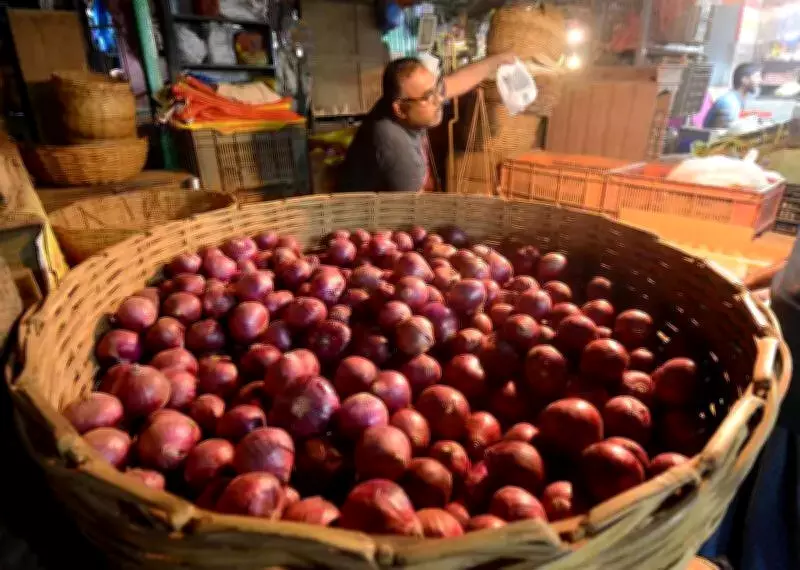
Mysuru's Sambar Onion Cultivation Sees Sharp Decline Amid Farmer Struggles
The agricultural landscape in Mysuru and Chamarajanagar districts is undergoing a significant transformation as the cultivation of sambar onion, a prized small variety, has been steadily decreasing. This trend marks a reversal from earlier years when thousands of farmers in key taluks like Hanur, Yelandur, Chamarajanagar, Gundlupet, Nanjangud, HD Kote, and T Narasipura enthusiastically adopted this crop.
From Boom to Bust: The Shift in Farming Patterns
Initially, farmers moved away from water-intensive crops such as maize and sugarcane, embracing sambar onion for its profitability. Utilizing borewell pumpset irrigation, small and marginal farmers across the twin districts cultivated this variety on an impressive 4,317 hectares of land. At its peak, the crop fetched a decent price of Rs 4,000 per quintal, providing a reliable income source for many households.
However, multiple challenges have emerged, creating strong headwinds for the sector. Falling prices in retail markets, escalating production costs, a scarcity of laborers, persistent pest infestations, and inadequate storage facilities have collectively discouraged continued cultivation. These factors have led to a concerning demand-supply gap, drastically reducing the cultivated area to just 1,717 hectares in recent times.

Farmer Testimonies Highlight the Crisis
Puttaswamy, a farmer from Kirugunda village in Nanjangud taluk, shared his distressing experience. "I used to cultivate onions on three acres every year, but this year, I have reduced cultivation to just half an acre as the price of the sambar variety has not stabilised. Buyers are offering only Rs 750 to 1,000 per quintal, which does not even cover production and maintenance costs," he explained. This sentiment is echoed by many in the region who are struggling to sustain their livelihoods.
Official Data Confirms the Price Plunge
Madhusudan, the assistant director of horticulture in Chamarajanagar, provided official confirmation of the price crisis. He noted that the price per quintal of sambar variety onion has consistently hovered between Rs 750 and Rs 1,000 in the wholesale market for the past eight months. This stark contrast to the previous Rs 4,000 per quintal highlights the severe economic pressure on farmers.
Despite these adversities, farmers have managed to maintain yields of 20-25 quintals per hectare, showcasing their resilience and expertise. However, without viable market prices and support systems, this productivity may not be enough to revive the once-thriving sambar onion cultivation in the region.
The decline in onion cultivation not only affects local agriculture but also has broader implications for food supply and rural economies in Karnataka. Addressing these challenges requires coordinated efforts to stabilize prices, reduce production costs, and improve infrastructure to support farmers in Mysuru and Chamarajanagar districts.