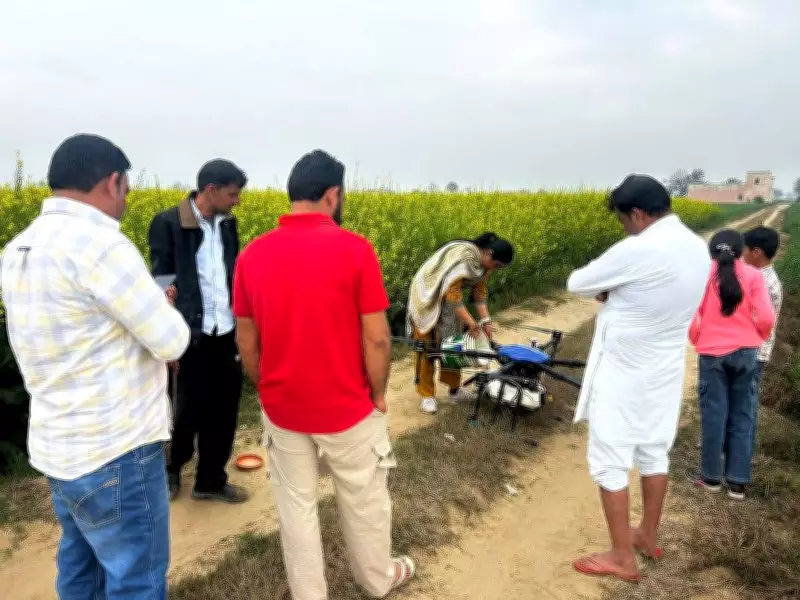
Sirsa Farmers Embrace Drones, Yet Ground Implementation Stalls
In the fertile fields of Haryana's Sirsa district, a technological revolution is brewing as farmers increasingly turn to drones for agricultural tasks. However, despite their readiness and enthusiasm, the rollout of this advanced technology on the ground remains sluggish, hindered by a mix of regulatory, financial, and operational barriers.
Technological Readiness Meets Practical Challenges
Farmers in Sirsa have shown a keen interest in adopting drone technology, recognizing its potential to enhance crop monitoring, pesticide spraying, and irrigation management. Many have undergone training and acquired drones, positioning themselves at the forefront of agricultural innovation in the region. This shift towards precision farming aims to boost yields, reduce labor costs, and minimize environmental impact. Yet, the transition from theory to practice has been slower than anticipated.
Key Hurdles Slowing Down Adoption
The slow rollout can be attributed to several critical factors:

- Regulatory Complexities: Strict government regulations and licensing requirements for drone operations create bureaucratic delays, making it difficult for farmers to deploy drones seamlessly.
- High Initial Costs: The upfront investment for drones and related equipment is substantial, posing a financial challenge for small and marginal farmers.
- Limited Technical Support: Inadequate access to maintenance services and technical expertise in rural areas hampers effective drone usage.
- Infrastructure Gaps: Poor connectivity and lack of charging facilities in remote farmlands further impede consistent drone operations.
Impact on Agricultural Productivity
Despite these obstacles, early adopters in Sirsa report positive outcomes, such as improved efficiency in crop spraying and better data collection for decision-making. Experts emphasize that overcoming the current hurdles could significantly transform Haryana's agricultural landscape. The state government and agricultural bodies are being urged to streamline policies, offer subsidies, and enhance support systems to accelerate drone integration.
Future Prospects and Recommendations
To foster widespread adoption, stakeholders recommend:
- Simplifying regulatory frameworks to expedite drone approvals for farmers.
- Introducing financial incentives and subsidies to make drones more affordable.
- Establishing local training centers and technical support networks in rural areas.
- Investing in rural infrastructure to ensure reliable power and connectivity for drone operations.
As Sirsa farmers navigate these challenges, their journey highlights the broader potential and pitfalls of integrating advanced technology into traditional farming practices across India.