

Sri City Andhra Pradesh: A Beacon of Women-Led Industrial Transformation
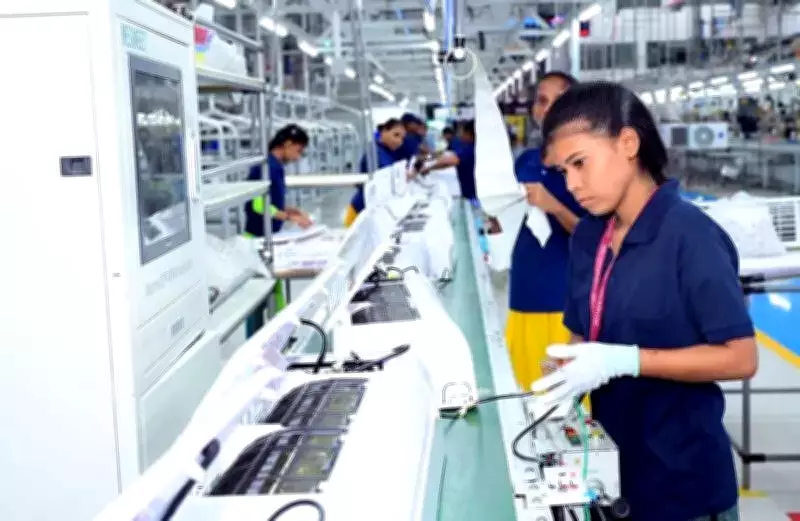
As the world commemorates International Women's Day, Sri City in Andhra Pradesh stands out as a powerful testament to how gender-inclusive employment practices can fuel industrial expansion and reshape societal norms. Once perceived as a male-dominated arena, the manufacturing landscape in this integrated business hub is now significantly influenced by women, who are pivotal in enhancing production, efficiency, and innovation.
A Diverse and Empowered Workforce
Sri City hosts over 250 companies from 31 different countries, collectively employing more than 70,000 individuals. Notably, women constitute nearly half of this workforce, earning the industrial center the affectionate moniker "Sthree City." These women are engaged across various sectors and organizational levels, from technical roles on the shop floor to supervisory and managerial positions. Their contributions span key industries such as automotive, electronics, garment manufacturing, food processing, pharmaceuticals, healthcare products, and consumer goods.
In numerous companies, women are responsible for critical functions including assembly, quality control, testing, supply chain management, and production supervision. Female participation rates vary from 20% to as high as 97% in some units, with entire production lines being operated exclusively by women. Prominent global and domestic firms like Alstom, Daikin, Havells, Blue Star, Isuzu Motors, Mondelez India, Kellogg's, and Colgate-Palmolive have consistently increased women's representation in their teams at Sri City.

Operational Advantages of a Female Workforce
Industry leaders highlight several benefits of employing women in manufacturing roles. Precision-oriented tasks such as soldering, wiring, brazing, and robotics-assisted assembly often see enhanced performance due to the meticulous attention to detail that many employers associate with female workers. Additionally, lower attrition rates among women contribute to greater production stability and reduced costs related to recruitment and training. Many companies also note that women demonstrate a strong aptitude for adapting quickly to automated and technology-driven systems.
Beyond the factory walls, the employment of women generates broader social impacts. Steady incomes empower them to support their families, pursue further education, and inspire other young women to consider careers in manufacturing, thereby fostering a cycle of empowerment and economic advancement.
Creating a Supportive Environment
The significant rise in women's participation at Sri City is closely tied to the supportive ecosystem developed by companies and administrators. Key initiatives include dedicated transport services, childcare facilities, healthcare support, and robust safety mechanisms featuring CCTV surveillance and female security personnel. Skill development is another cornerstone of this ecosystem, with several firms offering specialized training programs that prepare women for technical roles traditionally dominated by men.
For example, Alstom provides training for diploma engineers in metro coach assembly, while Isuzu Motors focuses on developing women engineers for technical operations. Even prior to its formal establishment, Sri City's HR Academy trained over 4,000 residents, many of them women, equipping them with essential skills for industrial employment. Furthermore, corporate social responsibility investments exceeding ₹61 crore have strengthened education, healthcare, and infrastructure in neighboring villages.
At a national conference on women's empowerment held in Tirupati in 2025, Harivansh Narayan Singh, deputy chairman of the Rajya Sabha, remarked that Sri City embodies the spirit of inclusive development, with women comprising nearly half of its workforce and making substantial contributions to its growth trajectory.

Personal Stories of Empowerment and Change
The transformative impact of Sri City is vividly illustrated through the experiences of its female employees. At Isuzu Motors, K Chandini, a diploma graduate from Gudur, has spent five years in quality control, building technical expertise while financially supporting her family. Young engineers like Rutu and Devi Priya credit structured training programs, robust safety systems, and a supportive work culture for preparing them for demanding technical roles.
At Mondelez India, employees emphasize a strong safety framework and welfare initiatives, including healthcare consultation support, which enable them to work confidently, even during night shifts. Meanwhile, at Daikin, N Aarthi has mastered brazing and now trains others, while engineer Soumya takes pride in contributing to her family's income. At Havells, D Jyothi's ascent to a leadership role in human resources showcases the clear career pathways available for women in the industrial sector.
A Model for Inclusive Industrial Growth
Sri City's journey offers a broader lesson for India's industrial future: diversity is not merely a symbolic gesture but a genuine driver of productivity and innovation. Independent studies have highlighted additional social benefits, such as increased household incomes, improved mobility for women, and enhanced decision-making power within families. By integrating industrial expansion with gender inclusion, Sri City has evolved into a model for balanced economic development, demonstrating that empowering women can lead to sustainable growth and societal progress.





