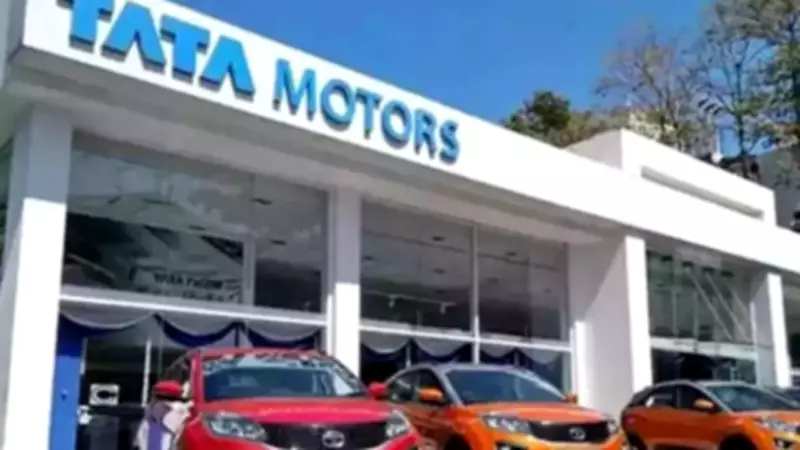
Tata Motors and Stellantis Announce New Strategic Partnership
In a significant development for the global automotive industry, Tata Motors and European automotive giant Stellantis are embarking on a new phase of collaboration. Eight years after a previously planned alliance with Volkswagen for an affordable car project dissolved, Tata Motors is now joining forces with Stellantis to explore comprehensive manufacturing, engineering, and supply chain partnerships both within India and internationally.
Building on a Two-Decade Foundation
The foundation for this new alliance is built upon the existing two-decade-old joint venture between the two companies through Fiat India Automobiles (FIA). The Ranjangaon plant near Pune serves as the operational hub for this partnership, currently producing Jeep models for Stellantis alongside Tata Motors vehicles including the Nexon, Altroz, and the upcoming Curvv.
This facility has demonstrated remarkable production capabilities since commencing commercial operations, having manufactured more than 1.37 million vehicles to date. The plant employs approximately 5,000 people and maintains an annual production capacity exceeding 200,000 units. Currently, it produces seven different models—four under the Jeep brand and three Tata Motors passenger vehicles.

Expanding Beyond Vehicle Assembly
The Ranjangaon facility's capabilities extend far beyond mere vehicle assembly. The plant manufactures engines, transmissions, and traction motors to meet domestic requirements while exporting surplus components to international markets including Japan and South Africa. This diversified production approach has created a robust manufacturing ecosystem that both companies now seek to expand through their new collaboration.
The historical relationship between Tata Motors and Stellantis includes distribution arrangements that evolved over time. Until May 2012, Tata Motors distributed Fiat-branded cars across India through a shared dealer network. Subsequently, Stellantis assumed control of distribution operations while manufacturing continued under the FIA joint venture structure.
Industry Experts Weigh In on the Strategic Move
Industry analysts have welcomed this development as a strategic response to evolving automotive trends. Ashim Sharma, Senior Partner and Business Unit Head at Nomura Research Institute Consulting & Solutions India, emphasized the importance of this expanded relationship. "Stellantis and Tata have maintained a long-standing association and have successfully leveraged synergies through their partnership. Given that collaborations are becoming increasingly crucial in response to megatrends such as powertrain shifts and software-defined vehicles, it makes perfect sense to continue expanding this relationship built on trust—one that has proven mutually beneficial for both partners."
Puneet Gupta, Director for India and ASEAN Automotive Market at S&P Global Mobility, highlighted the broader industry context. "The Tata-Stellantis memorandum of understanding reflects that collaboration represents the only viable path forward in today's highly uncertain global landscape. As technology life cycles continue to shorten at an unprecedented pace, strategic partnerships help minimize risk while maximizing returns. With India positioned at a critical growth inflection point, the convergence of proven global players can significantly drive the mobility industry forward with innovative new offerings."
Recent Developments Pave the Way
This new collaboration follows Tata Motors' strategic acquisition in 2025 of rights from Stellantis to independently develop, update, and recalibrate the 2.0-litre Multijet II diesel engine. This acquisition provided Tata Motors with crucial control over a key powertrain component used in their Harrier and Safari models, demonstrating the evolving nature of their partnership.
Stellantis' current portfolio from the Ranjangaon plant includes the Jeep Compass and Meridian models, along with completely knocked down (CKD) versions of the Grand Cherokee and Wrangler. This diverse production lineup showcases the facility's versatility and capacity to handle multiple vehicle platforms simultaneously.

The Path Forward
While specific details regarding the proposed collaboration remain undisclosed—including whether it will involve establishing a new joint venture, developing new vehicle ranges, or implementing engine-sharing arrangements—the announcement signals a significant deepening of ties between these automotive giants. Both companies appear committed to leveraging their combined strengths to navigate the rapidly transforming automotive landscape, particularly in emerging markets like India where growth opportunities remain substantial.
This partnership represents a strategic alignment of resources and expertise at a time when the automotive industry faces unprecedented challenges and opportunities related to electrification, digitalization, and changing consumer preferences. By combining Tata Motors' deep understanding of the Indian market with Stellantis' global reach and technological capabilities, both companies position themselves to compete more effectively in an increasingly complex and competitive global marketplace.