Tata Power has formally applied for a distribution licence in Karnataka, prompting state officials to clarify that the final decision lies with the Karnataka Electricity Regulatory Commission (KERC). The application, submitted recently, seeks permission to operate in select regions of the state, potentially challenging the existing monopoly of state-owned power distribution companies.
Infrastructure Duplication Concerns
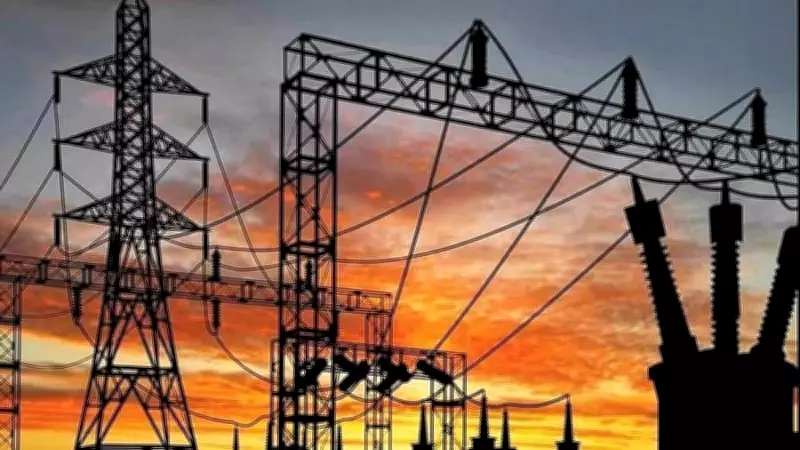
Officials have expressed concerns regarding the economic viability of allowing a second distribution network. Wires and distribution networks constitute a massive infrastructure investment, and duplicating such infrastructure could erode the economic benefits of the existing system. The state government is wary of creating parallel networks that may lead to inefficiencies and increased costs for consumers.
KERC's Role
The KERC will evaluate the application based on regulatory norms, technical feasibility, and potential impact on consumers. A senior official stated, "The final decision lies with KERC. They will assess whether granting a licence to Tata Power aligns with the state's power sector objectives and consumer interests." The commission is expected to invite public objections and hold hearings before arriving at a verdict.

Potential Impact on Consumers
If approved, Tata Power's entry could introduce competition, potentially leading to better service quality and competitive tariffs. However, the duplication of distribution infrastructure raises questions about cost recovery and the financial health of existing utilities. Experts suggest that a careful cost-benefit analysis is needed to ensure that any new licence does not undermine the stability of the power sector.
The application comes at a time when Karnataka is striving to improve its power distribution efficiency and reduce losses. The state has been working on modernising its grid and reducing aggregate technical and commercial losses. Tata Power, with its experience in distribution in Mumbai and Delhi, could bring technical expertise and private sector efficiency.
However, the state-owned distribution companies have cautioned that unbundling the network could lead to cherry-picking of lucrative areas, leaving rural and less profitable regions underserved. They argue that cross-subsidisation is essential to maintain uniform tariffs across the state.
The KERC is likely to take a balanced approach, considering both the benefits of competition and the need to protect the existing infrastructure investments. The decision is expected in the coming months, and stakeholders are closely watching the proceedings.