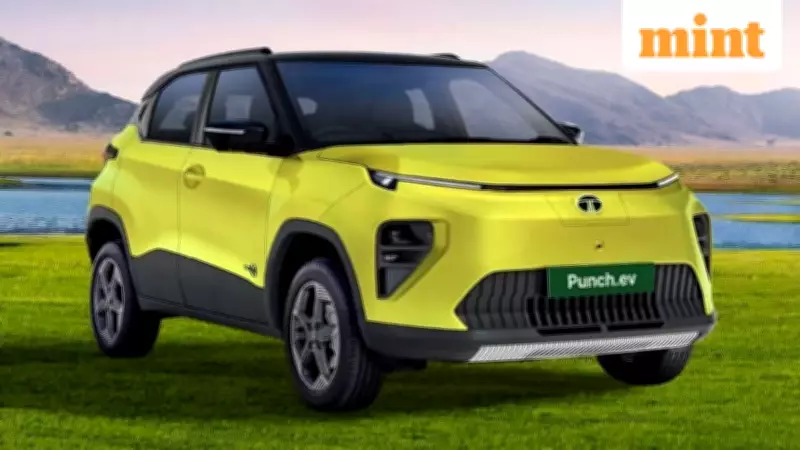
Tata Punch EV Facelift 2026: Anticipated Practical Enhancements
Tata Motors has officially unveiled the Tata Punch EV facelift for the Indian market, with its launch scheduled for February 20. This mid-cycle update is set to inject a fresh dynamic into one of India's top-selling electric vehicles, moving beyond mere cosmetic adjustments to deliver substantial improvements in practicality and user experience.
Beyond Aesthetic Updates: A Focus on Functionality
While the facelift will introduce a series of visual refinements as revealed by the automotive giant, the core focus lies on enhancing the electric sub-compact SUV's appeal through functional upgrades. The upcoming 2026 Tata Punch EV facelift is expected to address key areas that impact daily usability and comfort, making it a more compelling choice in the competitive EV segment.
Top 4 Expected Changes for Increased Practicality
1. Introduction of Rear AC Vents
A significant addition anticipated in the Tata Punch EV facelift is the inclusion of rear AC vents. Currently, the model lacks this feature, which is crucial for ensuring comfort for rear-seat passengers, especially during India's hot summers. The ICE-powered Tata Punch facelift has already incorporated this element, and it is highly expected that the electric variant will follow suit. This upgrade will markedly improve the vehicle's appeal for families and those prioritizing passenger comfort.

2. Enhanced Rear Seat Comfort and Space
The Tata Punch EV facelift is projected to offer improved rear seat accommodations. Although designed as a five-seater, the current model provides a comfortable experience for two rear occupants but can feel cramped for three. Drawing inspiration from upgrades seen in models like the Tata Curvv, the facelift is likely to feature better space management in the rear. This adjustment will allow for more legroom and overall comfort, making longer journeys more pleasant for all passengers.
3. Improved Real-World Driving Range
Range remains a pivotal factor for electric vehicle buyers, influencing purchase decisions and daily usability. The existing Tata Punch EV, equipped with a 35 kWh battery pack, boasts a claimed range of up to 421 km per charge. However, real-world conditions often reduce this to approximately 60% of the claimed figure, translating to around 250 km. The facelifted version is expected to deliver better real-world range per charging cycle, potentially through software optimizations or battery efficiency enhancements, though major powertrain changes are not anticipated.
4. Optimized Pricing Strategy
Pricing is a critical component in the competitive Indian EV market. Currently, the top-spec Tata Punch EV variant is priced over ₹15 lakh, positioning it against formidable rivals. At this price point, buyers might consider alternatives such as the Tata Nexon 45 Creative variant, which offers a larger 45 kWh battery pack and greater range, or the aggressively priced base-spec MG Windsor EV. To enhance its market appeal, the upcoming Tata Punch EV facelift is likely to feature optimized pricing, making it a more attractive option for cost-conscious consumers seeking value without compromising on features.
Market Implications and Consumer Expectations
The introduction of these practical upgrades in the Tata Punch EV facelift could significantly bolster its position in India's burgeoning electric vehicle sector. By addressing comfort, range, and affordability, Tata Motors aims to meet evolving consumer demands and stay ahead of competitors. As the launch date approaches, anticipation builds for how these changes will translate into real-world benefits for drivers and passengers alike.