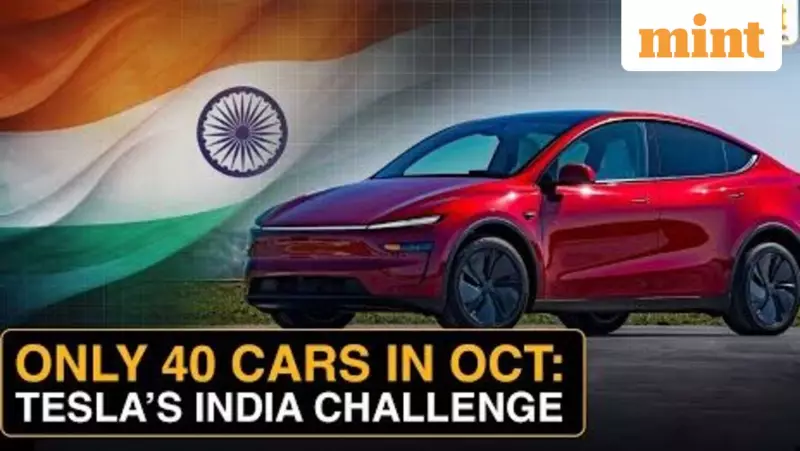
Tesla, the electric vehicle giant led by billionaire Elon Musk, is experiencing significant headwinds in the Indian market, with recent reports indicating a sharp decline in sales. The company has witnessed a concerning over 35% month-on-month drop in its Indian operations, raising questions about its strategy and future in one of the world's most promising automotive markets.
The Sales Slump: Understanding the Numbers
The dramatic sales decline represents one of Tesla's most challenging periods since entering the Indian market. While specific unit numbers remain closely guarded, industry analysts confirm the substantial downturn occurred in recent months. This downturn comes despite Tesla's initial enthusiastic reception and the Indian government's push toward electric mobility.
Several factors have contributed to this unexpected performance from a company that dominates EV markets in numerous other countries. The sales figures reflect a broader pattern of struggle for premium electric vehicles in India, where price sensitivity remains a critical factor in consumer decisions.

Key Challenges Facing Tesla in India
High Import Duties and Pricing remain the most significant barrier to Tesla's success in India. The company's vehicles, primarily imported as completely built units, attract import duties ranging from 60% to 100%, making them prohibitively expensive for most Indian consumers. A basic Tesla Model 3 costs approximately ₹60-70 lakhs after taxes, placing it in the luxury segment that represents less than 1% of the Indian automotive market.
The lack of local manufacturing infrastructure continues to hamper Tesla's competitive positioning. While Tesla has been in negotiations with the Indian government about establishing a local factory, no concrete plans have materialized yet. Local manufacturing would potentially reduce costs by 20-30%, making vehicles more accessible to Indian buyers.
Inadequate charging infrastructure across India presents another major obstacle. Range anxiety remains a genuine concern for potential EV buyers, particularly for those considering premium vehicles like Tesla that promise but require robust charging networks. The limited fast-charging facilities in major cities and their near absence in smaller cities deter potential buyers.
Market Realities and Consumer Behavior
Indian consumers have demonstrated distinct preferences that don't perfectly align with Tesla's current offerings. The most successful EV segments in India have been two-wheelers and affordable cars priced under ₹20 lakhs. Tesla's premium positioning places it outside this sweet spot, limiting its potential customer base.
Additionally, increasing competition from established automakers has fragmented the limited luxury EV market. Companies like Mercedes-Benz, BMW, and Audi have launched electric models in India, while domestic players like Tata Motors and Mahindra are expanding their EV portfolios with more affordable options.
The absence of Tesla's more affordable models in the Indian market further compounds these challenges. The much-anticipated $25,000 Tesla model, which could potentially revolutionize the company's fortunes in price-sensitive markets like India, remains unavailable.
Government Policies and Future Prospects
The Indian government's EV policy, while generally supportive, hasn't provided the specific concessions Tesla reportedly sought. The government has encouraged local manufacturing rather than supporting imports, a stance that aligns with its 'Make in India' initiative but doesn't immediately benefit Tesla's current import-heavy approach.
Despite the current challenges, industry observers believe Tesla still has significant potential in India. The company's brand recognition remains strong, and its technology leadership could prove decisive once it establishes local manufacturing. The growing environmental consciousness among Indian consumers and improving infrastructure could eventually work in Tesla's favor.

The coming months will be crucial for Tesla's Indian strategy. The company needs to either accelerate its local manufacturing plans or reconsider its product portfolio and pricing strategy to better align with Indian market realities. Without significant adjustments, Tesla risks becoming a niche player in a market that represents one of the largest future opportunities for electric vehicles globally.