Tripura Government Implements Special Measures to Boost Flower Production Growth
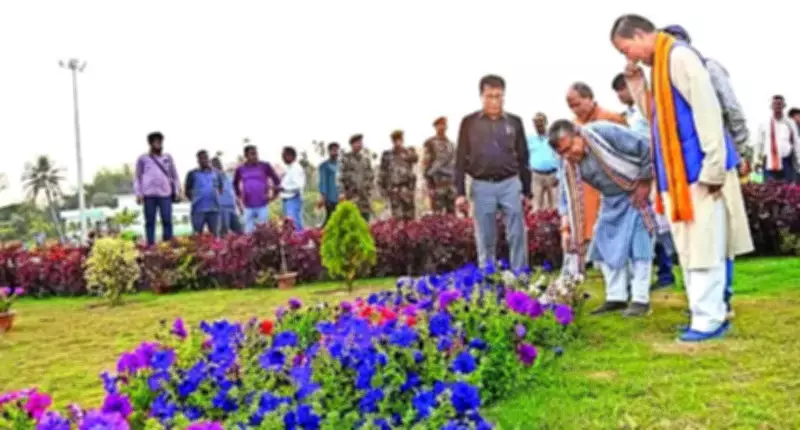
In a significant move to enhance agricultural diversification, the Tripura government has rolled out a series of specialized measures aimed at boosting the growth of flower production across the state. Agriculture and Farmer’s Welfare Minister Ratan Lal Nath made this announcement, highlighting the notable rise in flower demand observed since the 2018-19 period as a key driver for these initiatives.
Economic Viability and Market Trends
Minister Nath emphasized the economic viability of flower cultivation, noting that while it cannot be practiced in all regions, it offers substantial earnings for farmers. Over the past seven years, farmers have begun earning favorable prices for their flowers in local markets, which has encouraged greater participation in floriculture. This shift is evident in areas like Bishalgarh, where many farmers previously focused on vegetable farming have now transitioned to flower cultivation, viewing it as a more lucrative venture.
India’s global standing in floriculture was also highlighted, with the country ranking second worldwide in flower cultivation. Additionally, India has taken the top spot in paddy farming, surpassing China, showcasing its agricultural prowess. The minister pointed out that Tripura’s natural advantages, including fertile soil, sufficient rainfall, and a subtropical climate, make the state highly promising for growing diverse varieties of flowers.

Traditional and High-Tech Floriculture Expansion
Traditional blooms such as marigold, gladiolus, and rose continue to dominate conventional floriculture markets in Tripura. Since 2018-19, the cultivation area for these local flowers has expanded by an impressive 60%. Overall, traditional flower farming has experienced a remarkable 332% growth over the past seven years, reflecting the sector’s rapid development.
Further advancements have enabled Tripura to join the ranks of high-tech floriculture regions. Flowers such as anthurium, orchid, and gerbera are now being cultivated on conserved farmland using advanced methods. High-tech floriculture has seen a 124% increase, demonstrating the state’s commitment to modern agricultural practices.
Promoting Self-Reliance and Employment Opportunities
The state’s initiative is designed to promote self-reliance and generate widespread employment opportunities. In addition to serving as a primary source of income, flowers can be utilized for producing various goods such as Holi colors, medicines, and perfumes, given their high market demand. This multifaceted approach aims to enhance the economic impact of floriculture beyond direct sales.
A new facility, designed as an attraction for flower enthusiasts, will provide high-quality and cost-effective saplings to meet growing demand. It will also offer training opportunities for aspiring floriculturists, fostering skill development in the sector. In the years ahead, this center is expected to advance Tripura’s position in flower production across India, contributing to the state’s agricultural growth and sustainability.