Vetlapalem Firecracker Blast Death Toll Climbs to 21 as Safety Violations Come to Light
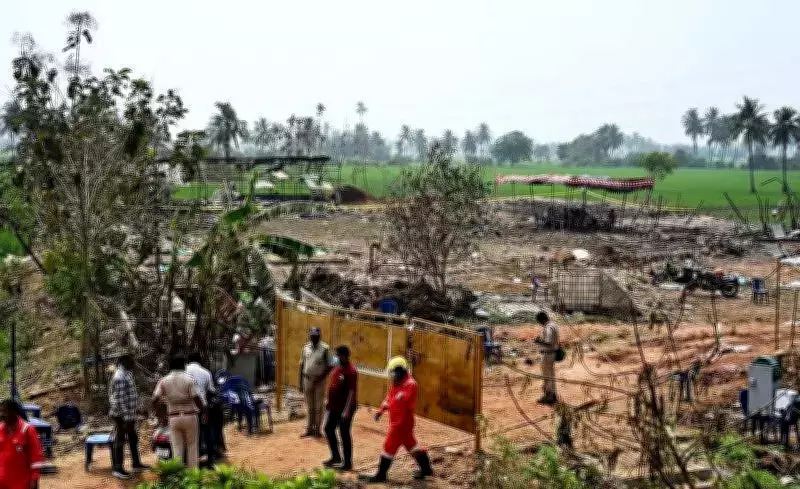
The devastating firecracker unit explosion in Vetlapalem, Kakinada district, has claimed another life, bringing the total death toll to 21 on Sunday. Lova Raju succumbed to injuries sustained in the blast, marking a tragic escalation in one of Andhra Pradesh's worst industrial accidents in recent memory.
Critical Condition of Injured Victims
Medical authorities report that eight critically injured victims continue to receive intensive care at the Government General Hospital (GGH) in Kakinada, while one patient with minor injuries is being treated at the government hospital in Samalkot. The severity of injuries is particularly alarming, with GGH superintendent Dr. Lavanya Kumari revealing that most patients suffered burns covering over 90 percent of their bodies.
Multiple Safety Violations Uncovered
Investigations into the tragedy have exposed a pattern of systematic safety violations at the manufacturing unit. The facility, permitted to produce only 15 kilograms of firecrackers daily, had stored nearly 800 kilograms to meet festival orders for a local temple jatara. This represents a staggering 5,233 percent increase over the legal limit.

The unit's location in paddy fields with narrow access roads significantly delayed the arrival of fire engines and ambulances, exacerbating the tragedy. Furthermore, while licensed to employ just eight workers, the owner had engaged 30 laborers, most of whom were unskilled and from marginalized communities.
Government Response and Regulatory Framework
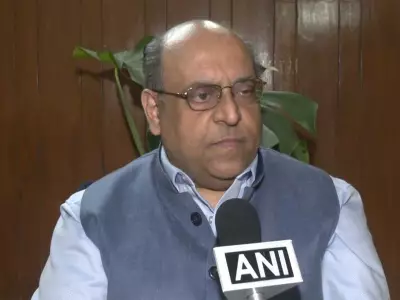
State Labour Minister Vasamsetti Subash visited victims at GGH and announced that a specialized team will study safety practices in Sivakasi, Tamil Nadu, known for its firecracker industry. The minister recalled that after a previous incident in Rayavaram that claimed 10 lives, regulations were significantly tightened.
Current safety protocols include:
- Mandal-level committees comprising Tehsildar, police, fire, and labour officials conducting inspections every three months
- Units requiring LE-3 permission from the labour department
- Mandatory 45-meter separation between manufacturing and storage areas
- Use of dry platforms for manufacturing processes
- Limitation of raw materials to 15 kilograms
- Compulsory insurance coverage for all workers
Systemic Challenges in Firecracker Industry
Minister Subash highlighted the broader context, noting there are 488 firecracker units statewide. While owners have sought relaxation of regulations, the issuance of No Objection Certificates (NOCs) remains strictly governed. In the Vetlapalem case, the owner prioritized festival profits over safety protocols, storing excessive quantities of firecrackers in clear violation of established norms.
The tragedy underscores the persistent challenges in regulating hazardous industries, particularly during peak festival seasons when demand surges dramatically. It raises critical questions about enforcement mechanisms, worker safety, and the balance between economic activity and public safety in India's manufacturing sector.