

Vijayawada Faces LPG Crisis as Commercial Cylinder Shortage Hits Hospitality Sector
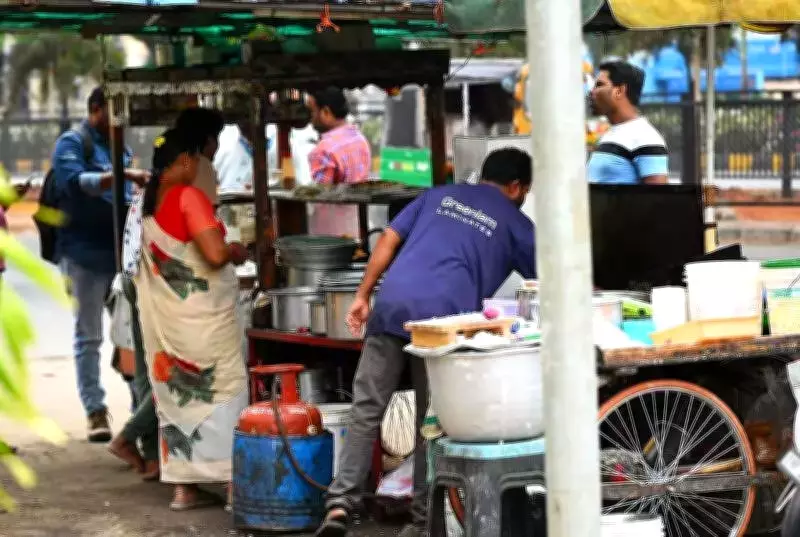
In Vijayawada, a critical shortage of commercial LPG cylinders has triggered a chain reaction across the city's food industry. Star hotels and large restaurants have been compelled to implement partial shutdowns, unable to secure adequate supplies for their operations. This disruption has created an unexpected surge in business for smaller roadside eateries and tiffin shops, who are now scrambling to adapt by turning to domestic gas cylinders as a stopgap solution.
Black Market Prices Skyrocket Amid Desperate Demand
The shift towards domestic cylinders has fueled a booming black market, with prices soaring to unprecedented levels. Reports indicate that domestic cylinders are now being sold for over ₹2,000 each in unofficial channels, a steep increase that places immense financial pressure on small vendors. These businesses, which include curry points, biryani stalls, and makeshift food stalls, are forced to procure cylinders at these inflated rates to continue serving customers.
Ramu, a tiffin shop vendor operating in Krishna Lanka, shared his experience: "With the bigger outlets shutting down, we've seen a significant uptick in business over the last three days. Students, office employees, and bachelors from nearby areas are flocking to my shop. To keep up with the demand, I had to purchase two domestic cylinders from the black market at ₹2,100 each."

Economic Calculations and Operational Challenges
Ramu further explained the economic rationale behind this move. Commercial cylinders, when available, are selling above ₹3,000, making domestic cylinders a relatively cheaper alternative despite the black market premiums. "A single domestic cylinder lasts about five days for my shop, where we serve between 300 and 400 plates daily. With two cylinders, I can manage operations for approximately 10 days," he added, highlighting the precarious balancing act vendors must perform to stay afloat.
Across Vijayawada, this trend is widespread. Numerous tiffin shops and roadside eateries operating from temporary or makeshift premises are now reliant on domestic cylinders to maintain their services. The shortage of commercial LPG has not only disrupted the hospitality sector but also exposed vulnerabilities in the supply chain, affecting both high-end establishments and humble food vendors alike.
The situation underscores a broader issue of resource allocation and market dynamics during supply crises. As vendors navigate these challenges, the increased demand for domestic cylinders continues to drive black market activity, raising concerns about sustainability and safety in the food service industry.






