

Vijayawada Faces Restaurant Crisis as Commercial LPG Cylinder Shortage Intensifies
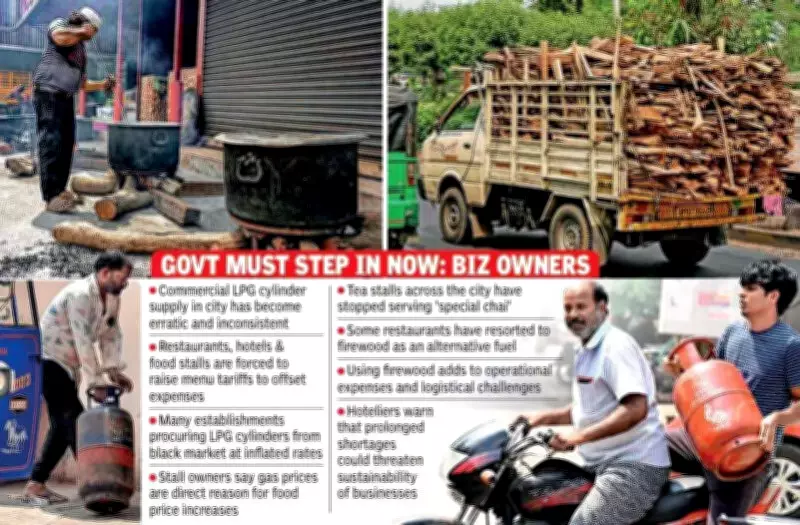
The bustling food scene in Vijayawada is grappling with a severe operational disruption due to an acute shortage of commercial LPG cylinders. This critical supply gap has forced numerous hotels, eateries, and food stalls across the city to implement significant price hikes on their menus to counterbalance escalating operational expenses.
Erratic Supply Drives Black Market Purchases and Financial Strain
With the regular supply of commercial LPG cylinders remaining highly erratic and unpredictable, many food establishments find themselves with no choice but to procure cylinders from the black market. These purchases come at grossly inflated rates, adding a substantial and unexpected financial burden to their already tight margins. Restaurant owners report that this crisis has imposed severe and unforeseen operational challenges, threatening the very sustainability of their businesses.
Substantial Price Hikes Hit Popular Food Items
The direct impact of the cylinder shortage is now being felt by consumers in their wallets. A plate of biryani, which previously cost ₹150, now sells for ₹200. Similarly, tiffin prices have surged from ₹40 to ₹60, representing a nearly 50% increase. "Gas prices are the direct reason for the increase in food rates," stated Ravi, an auto driver who is a regular at the popular night food court known as Eat Street on MG Road.

Tea Stalls Scale Back Offerings Amid Cylinder Constraints
The shortage is also affecting smaller vendors. Tea stalls across the city have been compelled to scale back their offerings. Many have discontinued their "special chai" due to the cylinder constraints. A tea maker at Subrang Chai Point in Krishnalanka explained the rationale: "Special chai requires fresh preparation and consumes more gas, whereas regular chai can be brewed in one large batch and served for up to 100 cups."
Restaurants Resort to Alternative Fuels, Complicating Operations
In a desperate bid to keep their kitchens running, some restaurant owners have resorted to using firewood as an alternative fuel source. However, this switch is not a simple solution. It not only increases expenses but also introduces significant logistical complications and can affect food quality and preparation time. Hoteliers are issuing warnings that a prolonged shortage could force many food businesses to shut down entirely.
Industry Calls for Urgent Restoration of Stable Supply
Industry representatives emphasize that the current temporary hike in menu tariffs is an unavoidable consequence, as fuel costs are a direct and major component of food preparation expenses. They caution that if a stable cylinder supply is not restored promptly, more eateries may be forced into a difficult choice: either implement further price increases or significantly scale down their operations. The situation starkly underscores the urgent need for a stable and reliable cylinder distribution system to protect the interests of both local businesses and consumers in Vijayawada.






