

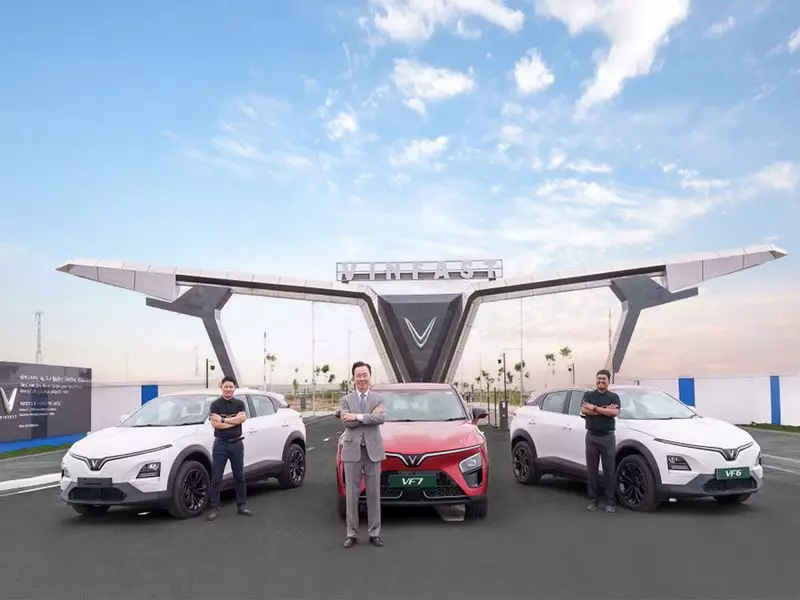
In a stunning display of ambition and strategic execution, Vietnamese electric vehicle manufacturer VinFast has transformed from a virtual unknown into a formidable contender in India's burgeoning electric vehicle (EV) market within a single year. The company's aggressive entry, marked by high-profile memorandums of understanding (MoUs) and a massive planned investment, signals a significant shift in the competitive dynamics of the Indian automotive sector.
A Strategic Blitz: Deals, Plants, and Market Entry
The journey began in earnest at the beginning of 2024. VinFast officially announced its entry into the Indian market in January, setting the stage for a rapid expansion. The cornerstone of its Indian strategy is a colossal $500 million investment commitment in Tamil Nadu. This project, initiated with a Memorandum of Understanding signed in January 2024, aims to establish an integrated electric vehicle manufacturing facility in the state's Thoothukudi district.
The planned facility is not modest in scale. It is projected to have an annual capacity of 150,000 vehicles, positioning VinFast as a major production player. While the final approval for this mega-project from the Tamil Nadu government is still pending as of the latest reports, the commitment alone sent ripples through the industry.

Parallel to its southern India plans, VinFast secured a crucial partnership in the west. The company signed a distribution agreement with Gujarat-based dealer group Acme. This partnership is pivotal for VinFast's market penetration, providing an established network to sell and service its vehicles. Acme will play a key role in introducing VinFast's models to Indian consumers, leveraging its local expertise and reach.
Product Portfolio and Initial Offerings
VinFast is not entering the market empty-handed. The company plans to introduce a diverse range of electric vehicles, including both cars and e-scooters. This two-pronged approach allows it to tap into different segments of the Indian EV ecosystem simultaneously. For its four-wheeler lineup, VinFast is expected to initially focus on the SUV segment, which enjoys immense popularity in India, with models likely to be assembled locally once the Tamil Nadu plant becomes operational.
The company's global portfolio includes models like the VF e34, VF 5, VF 6, VF 7, VF 8, and VF 9, giving it a wide spectrum to choose from for the Indian market. The specific models for India will be tailored to meet local preferences, price sensitivity, and driving conditions.
Impact and Reshaping the Competitive Landscape
VinFast's entry represents more than just another automaker setting up shop. It is a direct challenge to established players and other new entrants in the Indian EV space, including Tata Motors, MG Motor, Hyundai, and Mahindra, as well as global rivals like Tesla, which is also evaluating an entry. The promised $500 million investment underscores a serious, long-term commitment that goes beyond mere import and sales.
The establishment of local manufacturing is a critical move. It aligns with the Indian government's 'Make in India' and Production Linked Incentive (PLI) schemes, potentially allowing VinFast to benefit from subsidies and reduce costs through local sourcing. This could enable more competitive pricing, a key factor for success in the price-conscious Indian market.
Furthermore, VinFast's partnership with Acme in Gujarat provides an immediate operational foothold. This allows the company to begin brand building, understanding consumer preferences, and establishing a service network even before its own plant starts production. This phased approach mitigates risk and accelerates time-to-market.
Challenges and the Road Ahead
Despite the impressive momentum, VinFast faces significant hurdles. The Indian EV market, while growing rapidly, is still in a relatively nascent stage for four-wheelers, with challenges around charging infrastructure and consumer range anxiety. The company will also need to build brand recognition from scratch in a market dominated by trusted legacy automakers.

The pending final approval for the Tamil Nadu plant is the single most important milestone. Groundbreaking and the subsequent construction timeline will be closely watched by industry analysts and competitors alike. The company's ability to localize supply chains and offer compelling products at the right price point will ultimately determine its success.
In conclusion, VinFast's first year in India has been nothing short of explosive. From a whisper on the sidelines, it has roared into the spotlight with bold investment plans and strategic partnerships. Its journey from this point forward will be a critical case study on how a new, foreign EV brand can carve out a substantial niche in one of the world's most complex and promising automotive markets. The coming year will be decisive, as promises must transition into concrete actions, production lines, and vehicles on the road.





