Xiaomi Announces New Safety Advisory Committee Following EV Accident Reports
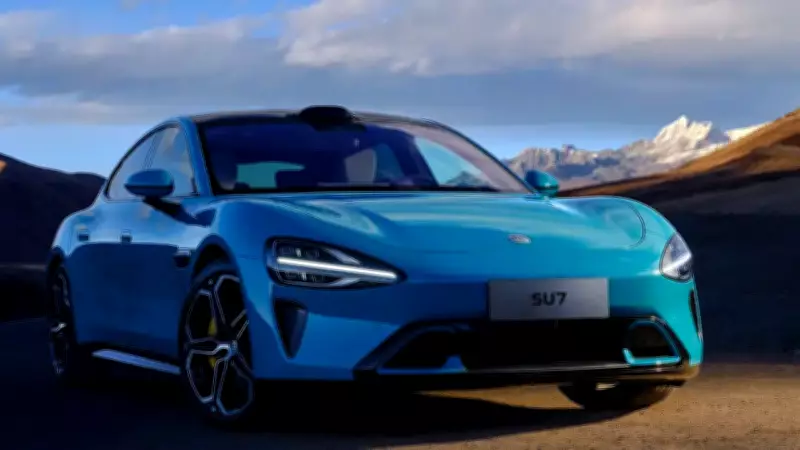
Chinese electric vehicle manufacturer Xiaomi has announced the establishment of a dedicated advisory committee to comprehensively review vehicle safety protocols. This strategic move comes in direct response to mounting criticism and media scrutiny following several reported accidents involving the company's SU7 sedan model. The announcement was made public during a livestream event hosted from Xiaomi's primary manufacturing facility located in Beijing.
Proactive Engagement and Internal Safety Infrastructure
Hou Jinglei, the head of Xiaomi's electric vehicle safety department, detailed the company's new initiative. The advisory committee will convene its inaugural session within the first half of the current calendar year. Furthermore, Xiaomi has committed to holding regular consultation meetings with a diverse group of stakeholders, including car owners, industry media representatives, and independent automotive safety experts. The primary objective of these forums is to gather actionable feedback and suggestions to enhance overall vehicle safety standards.
Xiaomi emphasized its existing commitment to safety, revealing that its EV division employs a substantial workforce of over 3,500 safety personnel. This team includes a specialized internal investigation center tasked with conducting thorough examinations of any vehicular accidents. The formation of the external advisory body represents an additional layer of oversight and transparency.

Scrutiny Following Specific SU7 Sedan Incidents
The decision to form the committee follows intense media coverage of at least two separate crashes involving the Xiaomi SU7 sedan. A report by the Chinese financial media outlet Caixin, citing an official forensic analysis, described a fatal accident that occurred in October. According to the findings, the collision caused a complete loss of power to the vehicle, which subsequently rendered the electronic door handles inoperable. This failure tragically trapped the driver inside the car as a fire ensued.
In a related development, the news provider Yicai, also referencing the forensic report, publicly urged Xiaomi on Friday to initiate a full recall of all first-generation SU7 vehicles. The recall appeal specifically aims to address and rectify the identified risks associated with the door handle mechanism. Xiaomi has not issued an official response to these specific recall requests or the detailed media reports. Official investigative accounts for the two highlighted accidents have yet to be released by authorities.
Broader Context of Safety Investigations and Product Evolution
This situation exists within a broader context of safety inquiries facing the company. An earlier crash involving an SU7 operating in its driving assistance mode, which resulted in three fatalities, remains under active investigation by relevant authorities. In a proactive step last September, Xiaomi deployed a significant software update for more than 115,000 SU7 cars to address identified issues with its assisted driving systems.
In a significant product development, Xiaomi has confirmed the cessation of production for the first-generation SU7 model. The company is preparing to launch an upgraded version of the sedan in April. A key safety enhancement in this new model will be the inclusion of a backup power supply specifically designed for the door systems, aiming to prevent the failures reported in earlier incidents.
Market Position and Regulatory Response
Despite these challenges, the SU7 model has achieved notable market penetration. Positioned as a direct competitor to Tesla's Model 3, cumulative deliveries of the SU7 had exceeded 381,000 units by the end of February. However, the series of accidents has catalyzed a stricter regulatory environment in China's EV sector.

Chinese regulators are now enforcing tighter rules concerning the marketing and safety certification standards for vehicles equipped with assisted and autonomous driving features. In a broader industry shift, authorities have decided to mandate the phase-out of concealed door handles—a design feature common in many modern EVs, including the SU7—starting from the year 2027. Additionally, regulatory bodies are actively considering the imposition of limits on electric vehicle acceleration capabilities as part of a comprehensive push for enhanced road safety.