Japanese two-wheeler manufacturer Yamaha is forecasting a strong recovery in 2026 after a challenging 2025, projecting double-digit growth fueled by resilient demand and improving supply-chain conditions. The company is sharpening its focus on scooters, exports, premium motorcycles, and electrification to accelerate growth in India.
Navigating Industry Challenges
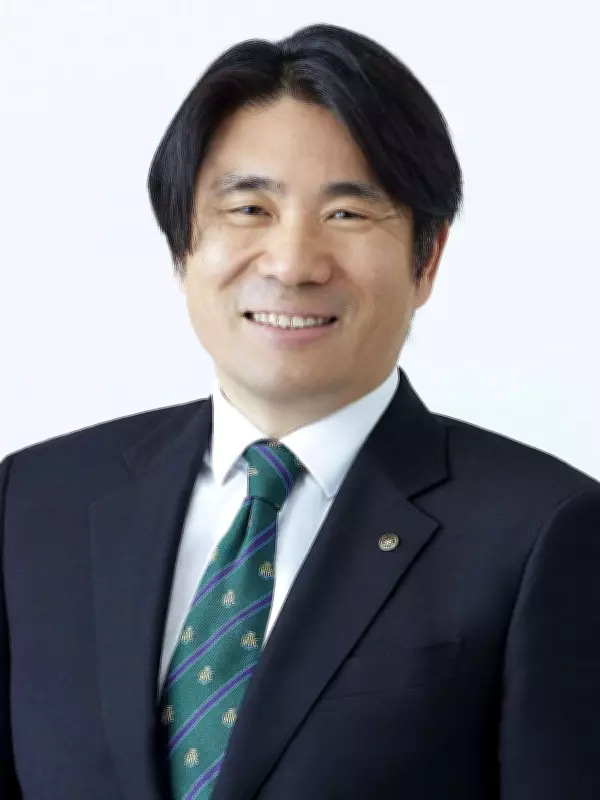
Hajime Aota, Chairman of Yamaha Motor India Group, noted that while 2025 was difficult, 2026 is progressing better than anticipated. Early concerns about potential disruptions from LPG and aluminium shortages have been mitigated by strong demand and adequate supplies, albeit with thin safety margins. The company closely monitored Tier-2, Tier-3, and Tier-4 suppliers facing similar issues, while demand remained resilient despite economic uncertainties.
Scooter Business Outperforms Motorcycles
Yamaha's scooter segment has outperformed motorcycles in recent years. Aota explained that motorcycle growth has been constrained by intense competition and insufficient customer aspiration building. In contrast, improved supply management for scooters has boosted conversion rates. Better inventory management ensures customers find their preferred models in stock, supported by updates to the Fascino.

Motorcycle Segment Challenges
Yamaha's core strength lies in the 150cc segment, but competitors have expanded into larger-displacement bikes. Customers often compare 150cc models with 350cc ones, perceiving the latter as better value. However, Aota emphasized that Yamaha's 150cc motorcycles deliver performance beyond typical expectations. The challenge is effective communication, especially as 25 million Indians reach driving age annually.
Electrification Strategy in India
Yamaha has moved beyond the study phase and identified its strategic direction for electrification. The EC-06 electric scooter targets existing customers interested in EVs. Recognizing that EV buyers often seek different retail experiences, Yamaha is evaluating dedicated EV retail formats. India offers the strongest EV opportunity among Yamaha's global markets and will shape its electrification roadmap.
Growth Outlook for 2026
Yamaha expects the Indian two-wheeler industry to grow 10-12% in 2026, reaching 22-23 million units. The company targets double-digit growth with domestic sales of 7.8 lakh units, up from 6.6 lakh in 2025. In Q1 2026 (January-March), sales reached 2.08 lakh units, a 33% year-on-year increase. Scooters will continue to outperform motorcycles over the next 3-6 months due to faster replacement cycles and rising EV interest.
Domestic-Export Mix
Yamaha produces around one million motorcycles annually in India, with 70% sold domestically and 30% exported. The company aims to maintain this balance while growing volumes. In 2026, exports are targeted at 3.5 lakh units, up from 3.43 lakh in 2025 and 2.78 lakh in 2024. Key export markets include Bangladesh, Sri Lanka, Nepal, Colombia, and the Philippines. As electrification reshapes the industry, exports will become increasingly important, supported primarily by motorcycles.
Manufacturing Capacity Expansion
Yamaha has an installed production capacity of 1.5 million units per year, with 900,000 units in Chennai and 600,000 at its northern plant. Capacity expansion is under active evaluation, but no final decision has been made. The company has flexibility to expand existing facilities rather than build a greenfield plant, leveraging established supplier ecosystems. A decision is expected within the year.
Key Priorities for 2026
New product launches remain the biggest focus. Updates to the Fascino have been introduced, with three or four additional product launches planned across motorcycles and scooters. The broader objective is to become faster and more responsive to Indian consumers, strengthen local product development, improve export competitiveness, and prepare for a future where internal-combustion and electric vehicles coexist. Transformation is underway, but significant work remains.