As India steps into the year 2026, a significant shift is underway for the nation's investors. The investment playbook, long dominated by equities for growth and fixed deposits for safety, is being rewritten. The catalyst for this change is a decisive turn in the monetary policy cycle, creating a powerful new avenue for wealth creation in the fixed income space.
The Macro Shift: From Rate Hikes to a Bond-Friendly Era
The landscape has transformed following a period where the Reserve Bank of India (RBI) aggressively raised interest rates to combat inflation. That phase has conclusively ended. In 2025, the RBI executed cumulative repo rate cuts of 125 basis points, marking a clear pivot. This downward trajectory in interest rates has fundamentally altered the role of fixed income in a portfolio. It is no longer just a defensive, balancing asset; it has become a proactive driver of capital appreciation and wealth.
This shift is particularly timely as equity markets enter a phase of cooling and volatility. Bonds are now positioned as the strategic 'sweet spot', allowing investors to lock in attractive yields while effectively managing overall portfolio risk. The traditional over-reliance on fixed deposits (FDs) is being challenged by this new reality.

Seizing the 'Short-Term Anomaly' in Bond Yields
One of the most compelling opportunities stems from a market lag. While the RBI has cut rates, and major banks like the State Bank of India (SBI) have quickly reduced their FD rates, the yields in the government security (G-Sec) market—the benchmark for risk-free rates—have been slower to adjust. This disconnect presents what experts term a "short-term anomaly."
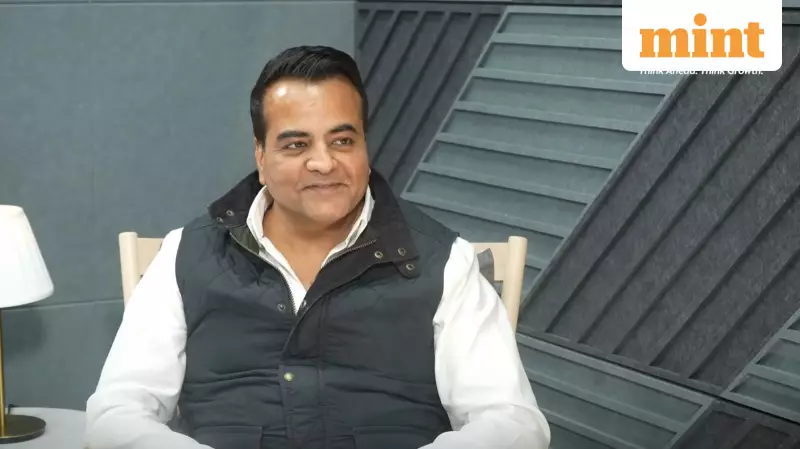
Savvy investors can still purchase bonds offering higher yields before the market fully prices in the rate cuts and bond prices rise. Vishal Goenka, Co-founder and CEO of IndiaBonds, emphasised the longevity of this cycle in a discussion on Mint Bond Street Dialogues. "This reduction cycle or pause cycle will remain for another couple of years unless something shocking happens to the world or the economy," he stated. He added, "In a falling interest rate cycle, it is the best scenario for bond investors because one of the primary risks – market risk – is essentially eliminated."
Mastering the Strategy for Maximum Returns
To benefit, investors must understand core bond principles. A fundamental rule is the inverse relationship between interest rates and bond prices. When prevailing rates fall, existing bonds with higher coupon rates become more valuable. For instance, an investor holding a bond paying 10% will see its price rise if new bonds are issued at only 9%. This leads to capital gains on top of the interest income.
This theory played out vividly in 2025. Investors who entered 10-year G-Secs at yields around 7.1% witnessed significant price appreciation as yields drifted towards 6.5%, generating double-digit total returns that, in some instances, outperformed equities.
Financial advisors now recommend moving beyond FDs and adopting a structured approach. A common recommendation is the 'Barbell Strategy' for a balanced 2026 portfolio:
- The Income Leg: Invest in 2-to-3-year high-yield corporate bonds (rated A or A+) offering between 9.5% and 11%. These provide steady cash flow with lower sensitivity to rate movements.
- The Growth Leg: Allocate funds to longer-duration instruments like 10-to-15-year G-Secs or AAA-rated PSU bonds. These are highly sensitive to rate cuts and offer the highest potential for capital appreciation.
Goenka advises a prudent allocation to FDs: "FDs should be a very small portion of your portfolio, perhaps no more than 10-15% of your bond investments. They are meant for the short term."
Key Concepts: Duration and Laddering
Two technical concepts are crucial for bond investors in 2026. First is Duration, which measures a bond's price sensitivity to interest rate changes. In a falling rate environment, longer-duration bonds (like 10-year papers) will see greater price increases than short-term ones.

Since timing the market bottom is impossible, the Laddering Strategy is considered a gold standard for risk management. "A laddering strategy hedges you from both falling and rising rates by spreading your capital across different maturities," explained Goenka. For example, with ₹5 lakh, an investor could buy five bonds maturing one year apart, ensuring a portion of the capital is available for reinvestment at new rates every year.
The Road Ahead: Digital Access and Tax Considerations
The future for India's bond market looks cautiously optimistic. The digital revolution has been a major catalyst, with online bond platforms democratising access and allowing retail investors to buy bonds as easily as stocks.
However, investors must remain mindful of taxation. Interest income from listed bonds is taxed at the individual's income slab rate, and a 10% Tax Deducted at Source (TDS) applies. There is a growing call from the financial community for the government to reconsider this TDS structure in upcoming budgets to further encourage retail participation.
The key takeaway for 2026 is to dismiss the myth that the opportunity has passed after the initial rate cuts. The interest rate cycle is a multi-year journey. Vishal Goenka predicts an exciting year ahead: "I think next year is going to be very exciting because corporate bond markets are going to grow phenomenally. Bonds will become a dinner table conversation in households as people realise they can earn 9-10% consistently without the volatility of equity."
Disclaimer: Investments in debt securities are subject to risks including delay and/or default in payment. Read all offer-related documents carefully. The views expressed are those of the author and do not necessarily reflect the views of HT Digital Streams Ltd or its affiliates.