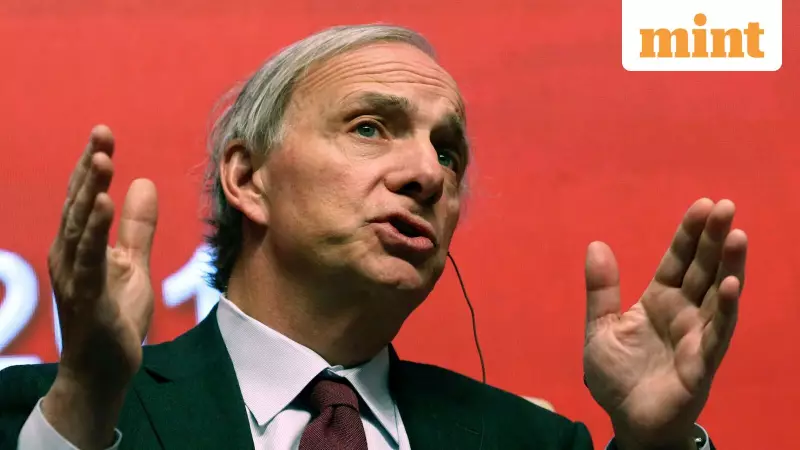
Even as silver prices have significantly outperformed gold in percentage terms over the past year and into 2026, billionaire investor and Bridgewater Associates founder Ray Dalio remains steadfastly bullish on gold. He views gold not as a speculative trade but as a structural bet, citing the ongoing breakdown of the global monetary order as a key driver.
Silver Outshines Gold in Recent Performance
Silver prices have continued their impressive rally in 2026, building on last year's strong gains. On a month-to-date basis in January, silver has surged by 37% in the domestic spot market, compared to a 16% rise in gold. This follows a remarkable year in 2025, when both precious metals recorded their best annual gains since 1979, with silver leading the charge in percentage terms.
Gold's Rise Reflects Stress in the Monetary System
According to Ray Dalio, the global monetary order, which relies on fiat currencies and debt as stores of wealth, is undergoing significant strain. Central banks, sovereign wealth funds, and other institutional players are increasingly turning to gold as a diversifier, as confidence in traditional assets wanes.

Dalio elaborated on this point during an interview with CNBC at Davos 2026. He highlighted mutual concerns between holders of US dollar-denominated debt and the United States itself. The trade wars initiated by US President Donald Trump have raised the specter of capital wars, potentially reducing the inclination to purchase US debt. "In other words, maybe there's not the same inclination to buy US debt," Dalio cautioned.
This dynamic, Dalio argues, helps explain why gold has quietly emerged as one of the top-performing major asset classes over the past year. It has even outpaced technology stocks and contributed to the relative underperformance of US markets compared to international peers.
Gold as a Reserve Currency, Not a Speculative Metal
"Gold is not a metal to speculate on," Dalio told CNBC. "It is the second-largest reserve currency." He pointed to historical patterns where, during times of conflict and geopolitical tensions, even allies prefer holding hard currency like gold over each other's debt. This trend has repeated itself over centuries, reinforcing gold's role as a safe-haven asset.
While silver's sharper price movements have captured headlines, Dalio believes gold's strength is more meaningful due to the nature of its buyers. Central banks, sovereign wealth funds, and official institutions—particularly those outside the US—have been steadily increasing their gold holdings, signaling a strategic shift rather than speculative fervor.
How Much Gold Should Investors Hold?
Dalio recommends that gold should form 5% to 15% of an investor's portfolio as an effective diversifier, regardless of current price levels. He has consistently maintained this stance, emphasizing gold's role in portfolios.
He notes that gold tends to perform exceptionally well when other assets falter. "It's an effective diversifier. So if you had no views of the markets, that's what you would have," Dalio explained.
Furthermore, Dalio argues that central banks, on average, still hold less gold than they ideally should, even after recent accumulation. Despite the ongoing rally, official positions remain "short of gold" relative to historical norms, suggesting potential for continued demand.
Disclaimer: This story is for educational purposes only. The views and recommendations expressed are those of individual analysts or broking firms, not Mint. We advise investors to consult with certified experts before making any investment decisions.