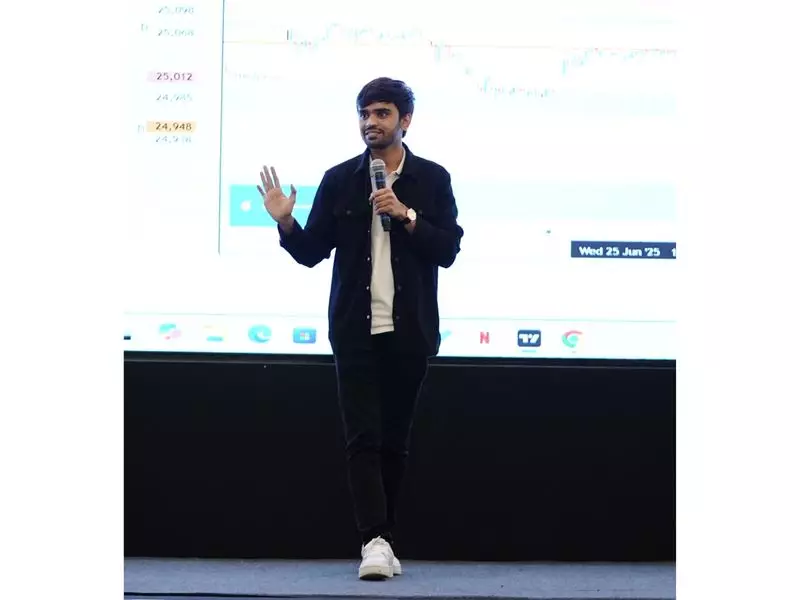
The landscape of financial education in India is witnessing a significant shift towards data-centric learning, with initiatives like Ghost Trade's bootcamp gaining substantial traction. Spearheaded by entrepreneur Manish Maheshwari, this movement is moving beyond traditional theoretical teaching to empower aspiring traders with practical, data-backed skills.
The Rise of Data-Driven Learning in Finance
Traditional methods of trader education often relied heavily on theoretical concepts and anecdotal strategies. Ghost Trade, under Maheshwari's leadership, is challenging this norm by placing a strong emphasis on data analysis and real-market simulation. Their bootcamp initiative is designed to bridge the gap between academic knowledge and the practical demands of live trading environments.
The core philosophy hinges on the belief that successful trading in modern markets requires a robust understanding of data patterns, risk metrics, and quantitative analysis. The program structure is built to demystify complex financial data, teaching participants how to interpret charts, understand volatility, and make informed decisions based on statistical evidence rather than speculation.

Manish Maheshwari's Vision for Accessible Education
Manish Maheshwari, the force behind this initiative, brings a perspective focused on accessibility and empowerment. The bootcamp is structured to be intensive yet comprehensive, aiming to equip individuals with a toolkit of analytical skills. The curriculum is continuously evolved to reflect current market dynamics and technological tools available to retail traders.
The initiative's momentum signals a growing demand for specialized, skill-based financial education in India. As more individuals show interest in capital markets and personal wealth management, the need for credible, practical training becomes paramount. Ghost Trade's approach attempts to fill this need by creating a structured learning pathway that emphasizes discipline and data literacy.
Implications for the Future of Financial Literacy
The strengthening of this bootcamp initiative has broader implications for financial literacy in the country. By promoting a data-focused methodology, it encourages a more analytical and less emotionally-driven approach to trading. This can potentially lead to better risk management and more sustainable practices among new market participants.
Furthermore, this trend aligns with the larger digital transformation in education, where interactive and applied learning models are becoming the standard. The success of such programs could inspire similar data-driven curricula across other domains of finance and investment education. The key takeaway is the move towards empowering individuals with actionable skills and analytical frameworks, setting a new benchmark for what effective trader education should encompass.
As the initiative gains momentum, it highlights an evolving ecosystem where knowledge of data interpretation is as crucial as knowing financial theories. This shift is poised to create a new generation of traders who are not just participants but informed analysts of the market.