

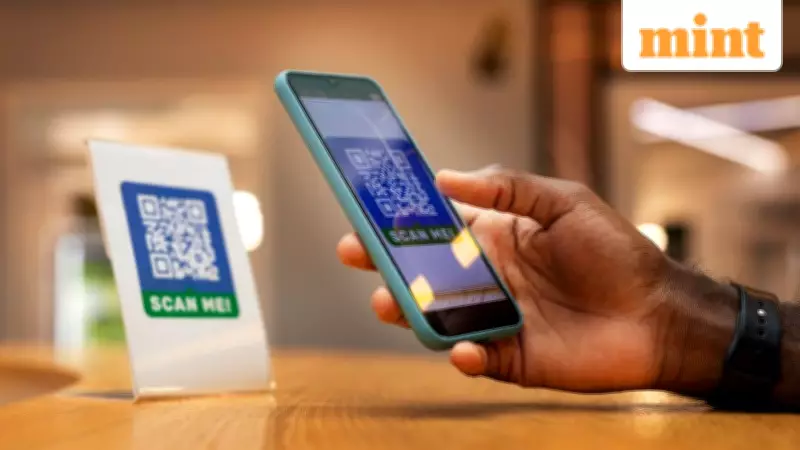
The gradual transition from physical cash to digital transactions has fundamentally reshaped our relationship with money over the past several years. While this transformation occurred incrementally, its profound impact on daily routines and financial behaviors is now unmistakably significant. Individuals no longer gauge wealth by the thickness of a wallet but rather by the numerical figures displayed on glowing screens of smartphones and devices.
The Disappearance of the Physical Wallet
For decades, the essential ritual of leaving home involved a quick check for keys, phone, and wallet. In today's digital era, the traditional wallet is increasingly becoming an optional accessory for many people. The seamless integration of sophisticated payment systems into our mobile devices means that a substantial portion of financial activity now resides conveniently in our pockets. This physical reduction has precipitated a corresponding mental shift in how spending power and monetary limits are perceived and understood.
When individuals carry physical cash, there exists a tangible visual and tactile representation of financial boundaries. Bills and coins can be visibly seen disappearing as the day progresses, providing immediate feedback. Digital payments, however, effectively remove this physical feedback loop. When transactions are executed with a simple phone tap, the action feels remarkably similar whether the amount is modest or substantial. This notable absence of physical friction can inadvertently lead to a sense of detachment from the actual value of the money being spent, potentially influencing budgetary discipline.

The Role of the UPI App in Local Commerce
One of the pivotal drivers accelerating this monumental change has been the remarkable rise of the UPI app across various markets, particularly in regions like India. This innovative technology has successfully bridged the gap between large retail establishments and small street vendors. Historically, digital payments were predominantly reserved for big stores that could afford expensive card terminals. Presently, a simple printed QR code is all a vendor requires to accept a payment swiftly and securely.
The widespread adoption and enthusiastic embrace of the UPI app have made it entirely feasible to navigate an entire week without touching a single coin or physical bill. Whether purchases involve fresh vegetables from a roadside stall or payment for a quick rickshaw ride, the entire process is remarkably efficient and streamlined. This digital inclusion has brought millions of small businesses into the formal digital economy, creating a transparent and verifiable record of transactions that previously did not exist.
For consumers, utilizing UPI means that every minor expense is meticulously tracked and recorded. While this provides incredibly detailed financial data, it also results in bank statements that are now dozens of pages long. Every small cup of tea or casual snack purchase creates a permanent digital footprint. This unprecedented level of detail can sometimes feel overwhelming, yet it simultaneously offers an honest and revealing look at where the subtle leaks in a personal budget are occurring, enabling better financial management.
The Psychology of Frictionless Spending
The primary objective of modern payment technology is to systematically remove friction. Friction encompasses anything that causes a customer to hesitate or deliberate before completing a purchase. In the traditional world of cash, friction was considerably high. Counting physical money, handing it over, and patiently waiting for change added multiple deliberate steps to the transactional process. In the contemporary digital world, friction is minimized to an almost negligible level.
When a digital payment system is employed, the psychological pain of paying is substantially reduced. Research in behavioral economics strongly suggests that our brains do not register digital payments with the same emotional intensity as they do when parting with physical currency. This neurological difference explains why many individuals find themselves perplexed, wondering where their money disappeared at the end of the month. The small, frictionless transactions accumulate rapidly without triggering an appropriate mental alarm or conscious awareness.

This ease of spending is particularly conspicuous and impactful in the realm of online shopping. With saved payment details and convenient one-click checkouts, the temporal gap between desiring an item and actually owning it has been dramatically reduced. This accelerated speed can effectively bypass the logical, analytical part of the brain that might otherwise question whether the purchase is genuinely necessary or prudent, leading to potential impulsive buying behaviors.
Real-Time Tracking and Enhanced Financial Awareness
While digital payments can inadvertently encourage increased spending, they also provide powerful and sophisticated tools for proactive financial management. In the bygone era of cash, tracking expenses required maintaining a manual diary or possessing an exceptionally good memory. Today, every single transaction is logged instantly and automatically. Most modern banking applications now offer automated categorization of spending, transforming raw data into actionable insights.
It is now entirely possible to see precisely what percentage of monthly income is allocated to dining out, transportation, entertainment, or groceries with a single glance at a smartphone screen. This real-time feedback mechanism operates as a double-edged sword. It can be uncomfortable and confronting to witness the numbers change in real time, yet it simultaneously provides the crucial data necessary to make informed and intelligent financial decisions. Consequently, many people are now more acutely aware of their spending habits than previous generations, simply because the data is so readily accessible and comprehensible.
The ability to set instant alerts and notifications for transactions adds another layer of financial awareness and security. Receiving a prompt notification on one's phone every time money leaves the account serves as a digital reminder, highlighting the transaction and aiding in the swift identification of any unauthorized or suspicious activity, thereby enhancing overall financial safety.
The Future of Daily Spending and Financial Habits
As we look toward the imminent future, the powerful trend of financial digitization shows no signs of slowing down or reversing. Payment methods are continuously evolving toward even more seamless systems where the smartphone might not even be necessary for completing a transaction. Innovative wearable devices and advanced biometric payment systems are already being rigorously tested and implemented in various parts of the world, signaling the next phase of this revolution.
The ultimate ambition is to make the act of paying increasingly invisible and effortless. While this offers unparalleled convenience, it will concomitantly demand greater personal discipline and mindfulness regarding finances. The more invisible the payment process becomes, the more conscious and deliberate financial choices individuals must make. The financial habits cultivated and reinforced today will profoundly influence long-term financial stability in a world where money is no longer something that can be physically touched or felt, existing primarily as digital data.
Ultimately, digital payments have significantly reduced the time spent on routine monetary transactions. Waiting in long bank lines or meticulously handling change at a retail register is becoming an increasingly uncommon experience. By comprehensively understanding these powerful digital tools, individuals can fully enjoy the manifold benefits of a modern, connected economy while diligently maintaining a robust level of financial control reminiscent of earlier, more tangible monetary systems.





