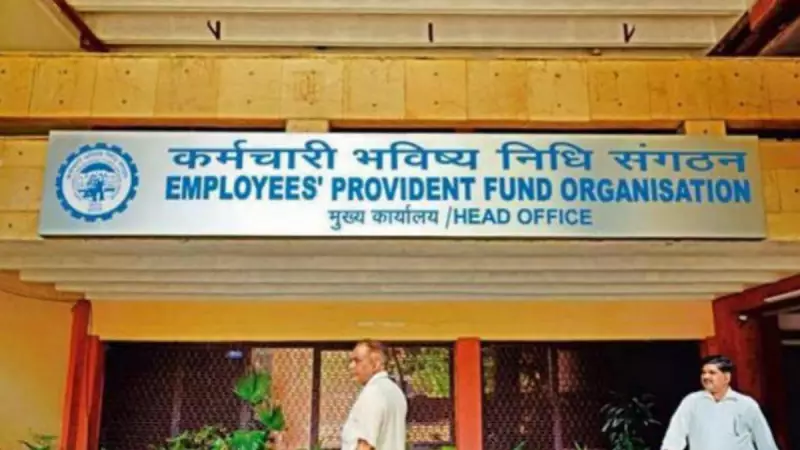
The Employees' Provident Fund Organisation (EPFO) is set to revolutionize how its subscribers access their hard-earned savings. In a major digital push aimed at enhancing convenience and speed, the retirement fund body is planning to integrate ATM and Unified Payments Interface (UPI) channels for provident fund (PF) withdrawals. This move will allow over 7 crore subscribers to receive their funds almost instantly, doing away with the traditional and time-consuming cheque-based system.
The End of the Cheque Era: How the New System Will Work
Currently, when an EPFO member applies for a partial or final PF settlement, the approved amount is disbursed via a cheque sent by post or, in some cases, through a direct bank transfer that can take several days. The proposed integration with ATM and UPI networks will change this dynamic completely. Once implemented, subscribers will have the option to withdraw their PF money directly from ATMs or transfer it instantly to any bank account using UPI.
This initiative is part of EPFO's broader digital transformation strategy to streamline services and reduce the reliance on physical paperwork. The integration will leverage the existing Aadhaar-enabled Payment System (AePS) infrastructure, which already allows basic banking transactions at micro-ATMs using just an Aadhaar number and biometric authentication. For UPI-based withdrawals, members will likely need to link their Universal Account Number (UAN) with a UPI ID.

Benefits for the Common Subscriber: Speed, Security, and Accessibility
The primary advantage of this integration is the dramatic reduction in withdrawal time. Instead of waiting for a cheque to be printed, dispatched, and then cleared, funds will be available in minutes. This is particularly beneficial in urgent financial situations.
Enhanced financial inclusion is another significant benefit. Millions of EPFO subscribers, especially migrant workers and those in remote areas, often face challenges with bank branches. Accessing PF money through the vast network of ATMs or a simple UPI app on a mobile phone will make the process far more accessible.
From a security standpoint, digital transactions leave a clear audit trail, reducing the risks associated with cheque fraud, loss in transit, or forgery. It also aligns perfectly with the government's vision of a less-cash economy and promotes digital literacy among the workforce.
What Subscribers Should Do to Prepare
While the EPFO is working on the technical and procedural framework for this rollout, subscribers can take a few steps now to ensure a smooth transition when the facility goes live. The most crucial task is to ensure that your UAN is fully activated and KYC-compliant.
Your KYC details, including Aadhaar, PAN, and bank account number, must be seeded and verified against your UAN on the EPFO portal. It is also advisable to ensure that your mobile number is registered and updated with both your bank and the EPFO database, as it will be essential for OTP authentication in UPI transactions.
This move by the EPFO marks a significant leap towards modernizing India's social security infrastructure. By embracing ubiquitous payment technologies like UPI and ATM networks, the organization is not just speeding up withdrawals but also making the management of retirement savings more user-centric and aligned with the digital habits of today's workforce.