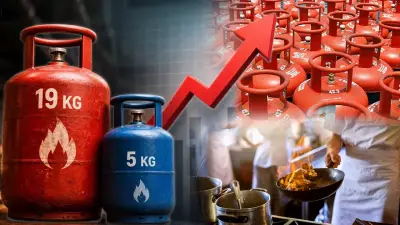
Jaipur: After the fourth increase in less than two weeks, fuel prices have soared to unprecedented levels, disrupting household budgets and raising transportation costs across the city. In Jaipur, petrol prices rose by Rs 2.82 per litre, climbing from Rs 109.84 to Rs 112.66, while diesel increased by Rs 2.73 to Rs 97.78 from Rs 95.05. Premium XP petrol also became costlier by Rs 2.82, reaching Rs 121.97 per litre.
Impact on Commuters and Transporters
The successive hikes have sparked concern among commuters, transporters, and small business owners. Auto-rickshaw drivers and taxi operators reported that they are left with little choice but to consider fare increases, as their profit margins have been sharply eroded. Daily commuters, particularly those reliant on two-wheelers, noted that the rising costs are forcing them to cut back on non-essential travel.
Economic Ripple Effects
Industry representatives warned that the hikes are likely to ripple through the economy. With freight charges set to rise, prices of essential commodities such as vegetables, grains, and dairy products could see upward revisions. Small traders and shopkeepers cautioned that higher logistics costs would inevitably be passed on to consumers, further straining household budgets.

Transport Unions Express Concern
Transport unions described the situation as becoming untenable, with diesel nearing the Rs 100 mark. “Every revision adds to our burden. We cannot absorb these costs indefinitely,” one union representative remarked. Delivery services and logistics firms echoed similar concerns, pointing to rising operational expenses that threaten their viability.
Dealers and Consumer Groups React
Rajendra Singh Bhati, president of the Rajasthan Petroleum Dealers Association, stated, “While the state government stands to gain higher revenue collections through taxes and duties on fuel sales, the inflationary impact could offset these gains.” Consumer groups have urged temporary tax relief to cushion households, but officials maintain that price revisions are linked to decisions by national oil marketing companies. With repeated increases, consumers are facing rising costs and shrinking disposable incomes, affecting their daily lives.