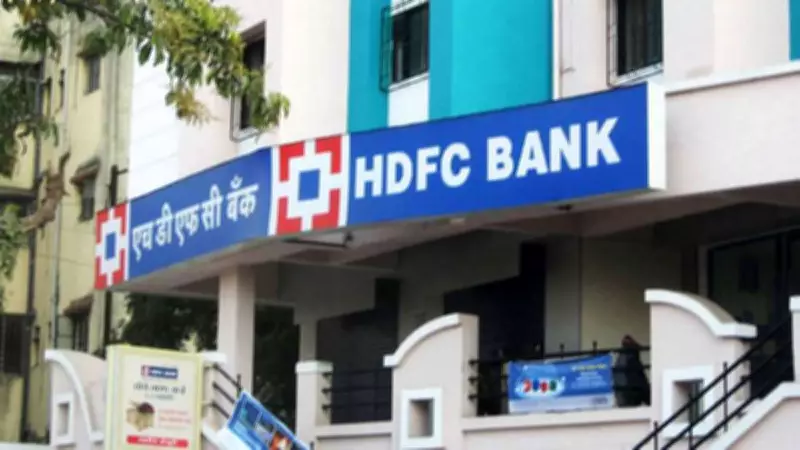
The Reserve Bank of India (RBI) has decided to keep the repo rate unchanged at 6.50% for the fifth consecutive time in its June 2026 monetary policy review. This decision was widely expected by economists and market participants. However, borrowers of HDFC Bank may still face an increase in their equated monthly installments (EMIs) on home loans, car loans, and personal loans. The reason lies in the bank's marginal cost of funds-based lending rate (MCLR), which is expected to rise in the coming months.
Why EMIs May Increase Despite Unchanged Repo Rate
The repo rate is the rate at which the RBI lends money to commercial banks. When the RBI raises the repo rate, banks typically increase their lending rates, leading to higher EMIs for borrowers. Conversely, when the repo rate is cut, EMIs may decrease. However, in this case, the repo rate has been kept unchanged. So why might EMIs rise?
The answer lies in the MCLR, which is the internal benchmark rate that banks use to determine lending rates for various loans. The MCLR is influenced by several factors, including the cost of deposits, operating expenses, and the bank's net interest margin. Even if the repo rate remains stable, banks like HDFC Bank may revise their MCLR upwards if their cost of funds increases. This can happen due to rising deposit rates, increased competition for funds, or higher operational costs.

Impact on Different Loan Types
HDFC Bank offers a wide range of loans, including home loans, car loans, and personal loans. Each of these loan categories may be affected differently by a potential MCLR hike.
- Home Loans: Home loans are typically long-term loans with floating interest rates linked to the MCLR. If the MCLR increases, the interest rate on existing and new home loans will rise, resulting in higher EMIs. For example, a home loan of Rs 30 lakh with a tenure of 20 years could see an EMI increase of several thousand rupees per month.
- Car Loans: Car loans are usually shorter-term loans, but they are also linked to the MCLR. A rise in MCLR will increase the interest rate, making car loans more expensive. This could impact potential car buyers who are planning to finance their purchase through HDFC Bank.
- Personal Loans: Personal loans are unsecured and typically carry higher interest rates. An MCLR hike will further increase the cost of personal loans, making them less affordable for borrowers. This could lead to a decrease in demand for personal loans.
What Borrowers Should Do
Borrowers who have existing loans with HDFC Bank should be prepared for a possible increase in their EMIs. Here are some steps they can take:
- Review Loan Terms: Check the loan agreement to understand how the interest rate is determined and whether it is linked to the MCLR or an external benchmark like the repo rate.
- Consider Refinancing: If the increase in EMIs is significant, borrowers may consider refinancing their loan with another bank that offers a lower interest rate. However, they should factor in the costs associated with refinancing, such as processing fees and prepayment penalties.
- Increase EMI Amount: If possible, borrowers can increase their EMI amount to reduce the loan tenure and minimize the impact of higher interest rates.
- Build an Emergency Fund: To cushion the impact of higher EMIs, borrowers should maintain an emergency fund that can cover at least three to six months of expenses.
Market Reaction and Expert Views
Financial experts believe that HDFC Bank's decision to raise MCLR is likely due to the rising cost of deposits. In recent months, banks have been increasing deposit rates to attract more funds, which has increased their cost of funds. This, in turn, puts pressure on banks to raise lending rates to maintain their net interest margins.
According to a senior economist at a leading research firm, "While the RBI's decision to keep the repo rate unchanged provides some stability, banks are facing higher costs due to competitive pressures. We expect HDFC Bank to increase its MCLR by 10-15 basis points in the next quarter, which will translate into higher EMIs for borrowers."

Conclusion
The RBI's decision to keep the repo rate unchanged is good news for borrowers in the short term. However, HDFC Bank's potential MCLR hike could offset this benefit, leading to higher EMIs on home, car, and personal loans. Borrowers should stay informed and take proactive steps to manage their loan repayments. It is advisable to consult with financial advisors and explore options like refinancing or increasing EMIs to mitigate the impact of rising interest rates.