How to Lower Your Home Loan EMI: A Comprehensive Guide
Managing a home loan can be a significant financial commitment, but there are several effective strategies to reduce your Equated Monthly Installment (EMI) and save money over the loan term. By understanding and implementing these methods, borrowers can ease their financial burden and achieve long-term savings.
1. Make Partial Prepayments
One of the most straightforward ways to lower your EMI is by making partial prepayments on your home loan. This involves paying a lump sum amount towards the principal balance, which reduces the outstanding loan amount. As a result, the interest component decreases, and you can either opt for a lower EMI or shorten the loan tenure. Many banks allow prepayments without hefty penalties, especially for floating-rate loans.
2. Refinance Your Loan at a Lower Interest Rate
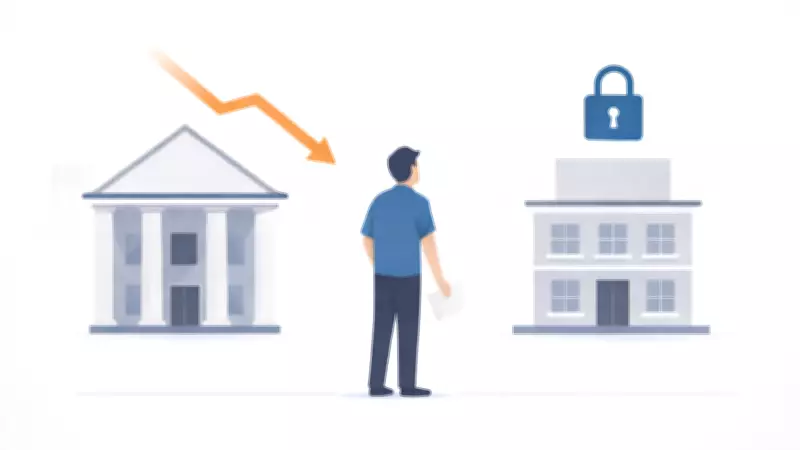
Refinancing involves transferring your existing home loan to another lender offering a lower interest rate. This can significantly reduce your EMI, as the interest rate directly impacts the monthly payment. Before refinancing, compare offers from different banks, check for processing fees, and ensure that the overall cost savings outweigh the switching expenses. This strategy is particularly beneficial when market interest rates have dropped since you took the loan.

3. Extend the Loan Tenure
If reducing the EMI is your primary goal, consider extending the loan tenure. By spreading the repayment over a longer period, the monthly installment amount decreases. However, this approach increases the total interest paid over the loan's lifetime. It's a trade-off between immediate cash flow relief and long-term cost, so evaluate your financial priorities carefully.
4. Switch from Fixed to Floating Interest Rate
For borrowers with fixed-rate home loans, switching to a floating interest rate might lower the EMI if market rates are favorable. Floating rates are typically lower than fixed rates and can fluctuate based on economic conditions. Consult with your lender about the feasibility and any associated charges before making this change.
5. Utilize Bonus or Windfall Gains
Using unexpected income, such as annual bonuses, tax refunds, or inheritance, to make prepayments can effectively reduce your EMI. This not only lowers the principal but also accelerates debt repayment. Plan ahead to allocate such funds towards your home loan for maximum benefit.
6. Negotiate with Your Current Lender
Sometimes, simply negotiating with your existing bank can lead to a reduced interest rate or better terms. If you have a good repayment history, lenders may be willing to offer concessions to retain you as a customer. Approach them with a request for a rate review or explore loyalty benefits.
7. Opt for a Step-Down EMI Plan
Some financial institutions offer step-down EMI plans, where the EMI amount decreases over time. This is based on the assumption that your income will increase in the future, allowing for higher initial payments that taper off. Check if your lender provides such options and assess if it aligns with your financial trajectory.
Conclusion
Lowering your home loan EMI requires careful planning and consideration of various factors like interest rates, tenure, and prepayment options. By exploring these strategies, you can manage your finances more effectively, reduce monthly outflows, and save on interest costs. Always consult with a financial advisor or your bank to choose the best approach tailored to your specific situation.