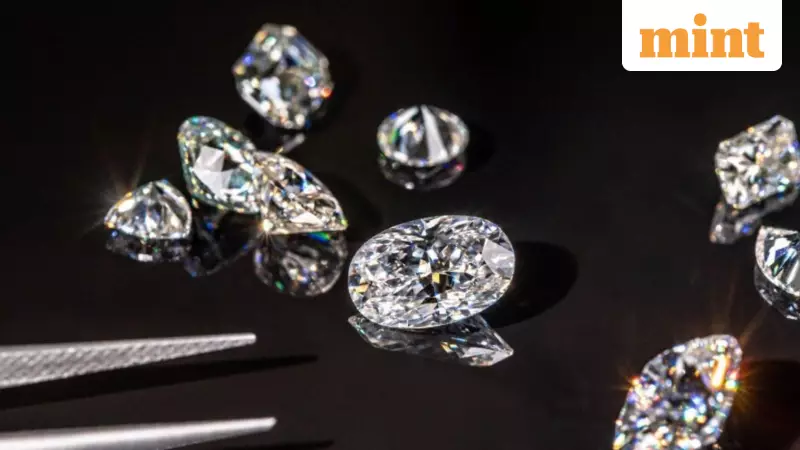
Diamonds hold a special place in Indian culture. They represent love, celebration, and family bonds. People buy them for weddings, anniversaries, and important life events. At the same time, many view diamonds as a potential store of value. Today, Indian consumers face a significant choice. They must decide between lab-grown diamonds and natural diamonds. Both types look stunning to the naked eye. However, their market dynamics differ greatly. This article explores how pricing, supply, resale value, and emotional sentiment affect returns. Our goal is to help buyers determine where diamond investment aligns with their personal goals.
Understanding the Diamond Market Landscape
The diamond market operates as a complex chain. It begins with miners or growers. Then, cutters and polishers prepare the stones. India plays a crucial role in this polishing stage. Next, wholesalers, brands, and retailers handle distribution. Finally, consumers make purchases. Several factors influence diamond prices in this chain.
- Global demand for jewelry, especially bridal wear
- Inventory cycles among traders and retailers
- Grading standards known as the 4Cs and certification
- Marketing efforts and brand premiums
- Currency movements, particularly between the US dollar and Indian rupee
In India, buyback and exchange policies vary widely. Before buying, consumers should ask specific questions. What percentage of the diamond value will stores consider during an exchange? Are making charges refundable? Does the policy apply only to the same store or brand family? These terms often impact eventual returns.

For investors, a critical point stands out. A diamond's retail price differs from its immediate cash value. The retail price includes design costs, making charges, taxes, and brand margins. Resale value depends on what buyers will pay for the stone in the secondary market.
Natural Diamonds: Investment Fundamentals
Scarcity defines natural diamonds. These stones form over billions of years deep within the Earth. Mining produces them in limited quantities. For investment-focused buyers, fundamentals revolve around quality, documentation, and purchase price. Key focus areas include the following.
- Certification from reputable labs, with laser inscription when possible
- Better color and clarity within your budget, combined with strong cut quality
- Shapes and sizes that remain liquid in India, like round and oval cuts in popular bridal sizes
- Low premium over tradable value; avoid overpaying for brand name alone
If buyers ask whether diamonds make good investments, the practical answer is clear. They may work only in specific pockets of the natural market. Success requires careful, informed purchasing.
Lab-Grown Diamonds: Market Overview
Lab-grown diamonds share the same chemical composition and crystal structure as natural diamonds. However, manufacturers create them using advanced technology and energy. Online debates often frame this as lab grown diamonds versus real diamonds. In trade terms, both are real diamonds. The distinction lies in origin and scarcity. Lab-grown stones offer larger looks at lower prices. They attract fashion-forward buyers, first-time purchasers, and consumers prioritizing affordability.
From an investment perspective, lab-grown pricing links to production costs, competition, and rapid capacity expansion. This makes them behave more like consumer electronics. Improving technology can push prices down over time.
Supply Dynamics: Scarcity vs Scalability
Natural Diamonds
Natural supply faces constraints from geology, mining permits, and lengthy project timelines. Developing major mines takes years. Output can decline as deposits mature. This supports long-term scarcity. However, scarcity does not guarantee appreciation. It mainly prevents large-scale supply shocks.
Lab-Grown Diamonds

Lab-grown supply scales with factories, machines, and power availability. As more producers enter the market and yields improve, supply can increase quickly. This explains why the cost gap between lab-grown and natural diamonds has widened recently. Lab-grown retail prices have fallen faster than natural prices in many categories. Scalability benefits consumers, but it can reduce investment returns if supply outruns demand.
Price Trends and Market Performance
Natural diamond prices have historically moved in cycles. They often track luxury demand and broader economic sentiment. Certain categories tend to hold firmer. These include better color, better clarity, and larger sizes. Even these can soften during economic slowdowns.
Lab-grown prices show a clearer downward trend. Manufacturing improvements and retailer competition drive this. Buyers comparing lab-grown versus natural diamonds should treat lab-grown as a value purchase for wear and enjoyment. They should not expect price appreciation.
In India, buyers must consider the all-in bill. This includes GST, making charges, and retailer margins. A discount at purchase often matters more to returns than small shifts in benchmark prices.
Value Retention and Liquidity
Liquidity remains a key factor in diamond investment. Natural stones, especially certified, well-proportioned rounds, have a more defined resale pathway. Jewellers and traders facilitate this. Even then, expect a spread between buy and sell prices.
Lab-grown resale markets are still developing. Many buyers prefer new lab-grown stones because prices keep falling. This limits secondary demand. If liquidity matters, prioritize natural diamonds.
To improve value retention, buyers should follow these steps.
- Buy the stone, not the showroom: negotiate on the diamond component
- Keep certificates, invoices, and laser-inscription details safe
- Choose classic specifications that match steady demand in India
Investor Perception and Market Confidence
Investor perception shapes diamond markets. Two factors drive this: rarity and trust. Natural diamonds benefit from a long-standing history of social signalling and established trading norms. Lab-grown stones gain acceptance, but buyers often see them as better value rather than rare. This affects willingness to pay a premium during resale.
Confidence also depends on disclosure. Established jewellers clearly state whether a stone is natural or lab-grown. They provide proper certification. Transparent disclosure supports markets for both categories.
Risk Assessment
Diamonds differ from gold. They lack a daily exchange price in India. They are not instantly liquid. Key risks include the following.
- Overpaying at retail, especially for high design premiums
- Quality risk if certification is weak or specifications are inflated
- Market risk from demand slowdowns
- Resale risk, particularly for lab-grown diamonds
- Storage and insurance considerations for high-value pieces
If the objective is pure wealth protection, diversification beats concentration. Buyers can view diamonds as lifestyle assets with selective investment potential.
Long-Term Outlook: 10-20 Year Perspective
Over the next 10-20 years, natural diamonds should maintain their scarcity premium in top-quality categories. This assumes strong disclosure and certification continue. Lab-grown diamonds will likely become mainstream in fashion jewelry. Technology improvements will maintain price pressure.
The primary case for returns in natural diamonds is not broad-market appreciation. It involves owning stones bought at disciplined prices. The primary case for lab-grown diamonds is maximizing size and sparkle per rupee today.
Comparison Table: Natural vs Lab-Grown Diamonds
Factor
Natural diamonds: Supply is limited and mine-dependent. Price direction is cyclical but steadier in top grades. Resale is more established. Best use is long-term ownership and heirloom pieces. Investor fit is quality-focused and patient.
Lab-grown diamonds: Supply is expandable with capacity. Price direction shows downward bias with tech gains. Resale is limited and still evolving. Best use is style and frequent upgrades. Investor fit is value-focused and experience-led.
Who Should Invest in Which?
Buyers should choose natural diamonds if they value tradition and higher resale probability. They must prepare to learn grading basics. For someone planning to buy natural diamonds for an heirloom ring or family gift, prioritize certified stones and timeless designs.
Buyers should choose lab-grown diamonds if they want maximum visual impact for their budget. They should not expect meaningful resale. Lab-grown works well for trend-driven jewelry, statement earrings, and heavy pendant sets where look matters more than future tradable value.
A practical decision method matches product to purpose. Heirloom and resale needs lean natural. Fashion and size desires lean lab-grown.
Conclusion
The debate around lab-grown versus natural diamonds focuses less on authenticity and more on economics. Natural diamonds trade on scarcity and heritage. Lab-grown diamonds trade on innovation and affordability. When buyers approach diamonds with clear expectations, they make smarter purchases. Enjoyment should come first, investment second. For long-term value retention, disciplined buying in natural categories remains relevant. For maximum sparkle per rupee, lab-grown offers a compelling option for Indian buyers.
Note to the Reader: This article is part of Mint's promotional consumer connect initiative and is independently created by the brand. Mint assumes no editorial responsibility for the content.