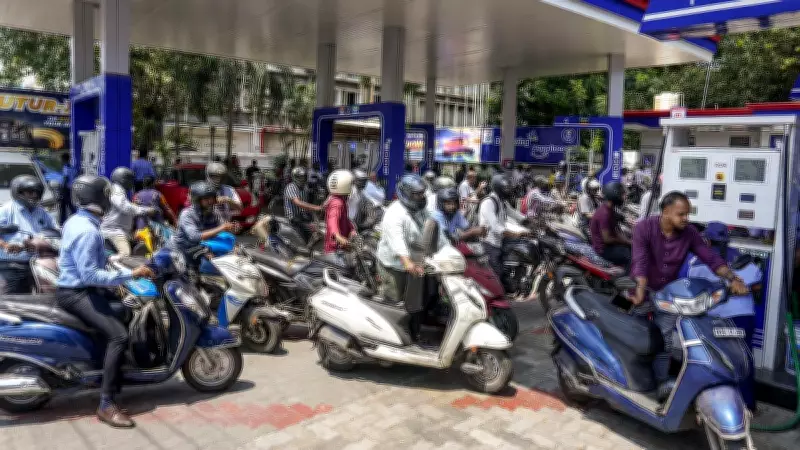
In a span of just five days, petrol and diesel prices have witnessed two consecutive hikes across India, putting additional burden on consumers. The fuel prices have been revised upwards in all major metropolitan cities, including Delhi, Mumbai, Kolkata, and Chennai, as well as in smaller towns and rural areas.
Understanding the Price Surge
The recent increase marks a significant shift in the pricing trend, which had remained stable for several weeks prior. According to industry experts, the hike is attributed to a combination of factors, including rising global crude oil prices and adjustments in domestic taxation policies. The Indian government has not made any official statement regarding the sudden revision, but market analysts suggest that the increase aligns with international market movements.
Impact on Consumers
For the common man, this surge translates to higher transportation costs, which could eventually lead to an increase in the prices of essential commodities. Auto-rickshaw drivers, cab operators, and daily commuters are among the most affected groups. Many have expressed concern over the frequency of the hikes and the lack of prior notice.

In response to the rising prices, several states have reduced value-added tax (VAT) on fuel to provide some relief. However, the impact of these measures remains limited as the base price continues to climb.
Latest Fuel Rates in Major Cities
As of the latest revision, the price of petrol in Delhi stands at ₹104.44 per litre, while diesel is priced at ₹93.67 per litre. In Mumbai, petrol costs ₹110.82 per litre, and diesel is at ₹94.67 per litre. Chennai and Kolkata have also seen similar increases, with petrol priced at ₹102.63 and ₹106.03 per litre, respectively. Diesel rates in these cities are ₹94.24 and ₹92.76 per litre.
These rates are subject to daily changes, and consumers are advised to check the official oil marketing company websites or mobile apps for the most current prices in their respective cities.
Government and Industry Reactions
The government has urged oil marketing companies to ensure transparency in pricing and to avoid frequent fluctuations that disrupt household budgets. Meanwhile, opposition parties have criticized the ruling government for the lack of effective measures to control fuel prices. The oil industry, on the other hand, maintains that the hikes are necessary to cover the cost of crude oil imports and to maintain profitability.
Looking ahead, experts predict that fuel prices may continue to rise if global crude oil prices remain elevated. However, any significant drop in international rates could provide some respite to Indian consumers.