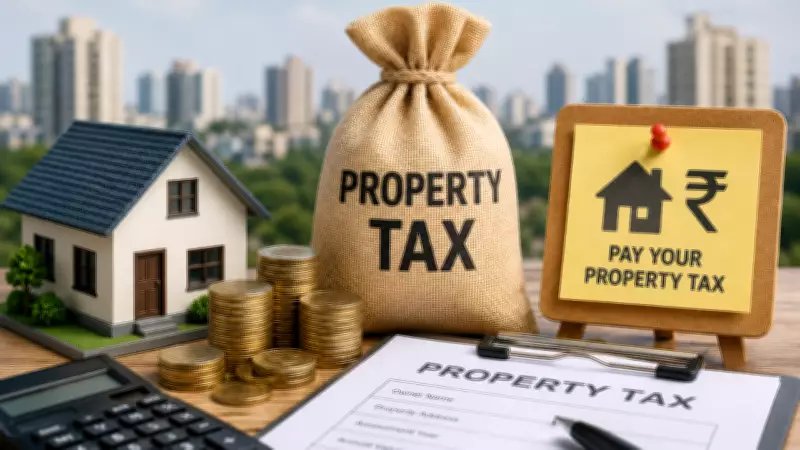
Buying a second home is both a financial and personal milestone, but it also comes with its own set of tax rules that buyers need to understand carefully. Under the Income Tax Act, 2025, a second property is taxed differently from a primary residence, and the available deductions depend entirely on how the property is used: whether it is rented out, kept vacant, or used for personal purposes. Each of these usage categories can lead to a different tax treatment, making it important for homeowners to clearly understand how their second property will be classified for tax purposes.
Upfront Taxes Paid During Purchase
The taxes and fees paid immediately on the purchase of a second home are similar to those paid while buying the first property. Key components include:
- Stamp Duty: A fee levied by the state government, generally varying between 5% and 8%. It depends on the circle rate of the property or the property value, whichever is higher, along with factors such as building age, location, and property type.
- Registration Fee: Paid to the local Sub-Registrar's office to officially record the sale deed in government archives.
- GST: While ready-to-move properties are GST-free, GST is levied only on under-construction properties. For properties under Rs 45 lakh, a buyer pays 1%, while luxury properties are taxed at 5% without any input credit claim.
- TDS: Under Section 194-IA of the Income Tax Act, a buyer must deduct tax at 1% from the consideration payable to the seller and deposit it with the central government.
Income Tax Implications
Self-Occupied or Left Vacant
If the owner decides to use the property for self-consumption or leaves it vacant, notional rent (deemed rental income) is not subjected to taxation. Under the old tax regime, the buyer can claim a deduction of up to Rs 2 lakh towards interest paid on a home loan and Rs 1.5 lakh towards principal repayment under Section 80C. However, these deductions cannot be claimed under the new tax regime.

Rented Property
The gross annual rent received is subject to a standard deduction of 30%, along with deductions for interest on the loan and municipal taxes paid during the year. Under the old regime, if net income exceeds deductions, it is treated as taxable income, and principal repayment under Section 80C remains eligible for deduction, capped at Rs 1.5 lakh annually. Under the new regime, a deduction of up to Rs 2 lakh can be claimed towards interest payment, but no deduction is allowed for principal repayment.
In short, buying a second home is not just about the purchase price but also about understanding the full tax picture. From upfront costs like stamp duty, registration fee, GST, and TDS, to ongoing income tax implications based on property usage, every factor impacts your overall financial planning. Whether the home is self-occupied, vacant, or rented out, the tax treatment changes accordingly. Keeping these rules in mind can help buyers make more informed decisions and avoid surprises later.