

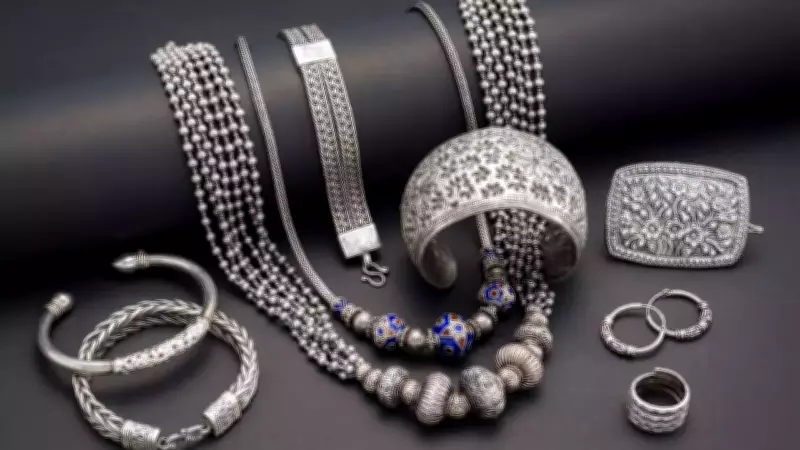
Silver Prices Skyrocket, Fueling Market for Counterfeit Silver
Silver rates have experienced a dramatic surge, climbing to unprecedented heights in recent weeks. The price has escalated by approximately Rs 300 per gram, translating to a staggering increase of around Rs 3 lakh per kilogram. This sharp rise is causing consumers to hesitate before making purchases and, simultaneously, creating a lucrative opportunity for fraudsters to introduce counterfeit silver into the market.
Why Fake Silver Proliferates During Price Hikes
When silver prices escalate rapidly, experts warn that the market often becomes flooded with fake silver items, including jewellery, coins, and utensils. Scammers exploit the high demand and emotional buying decisions to pass off inferior materials as genuine silver. However, you do not necessarily require sophisticated laboratory equipment to protect yourself. Many basic verification methods, commonly used by jewellers as preliminary checks, can be performed conveniently at home.
Comprehensive Guide to Testing Silver Authenticity at Home
Here is a detailed, step-by-step approach to distinguish real silver from fake silver without leaving your residence.

Start with the Magnet Test
This is typically the quickest and most straightforward test. Genuine silver is not magnetic, so if a small magnet adheres strongly to the item, it is a clear red flag indicating it is likely fake. However, it is important to note that the absence of magnetic attraction does not guarantee authenticity, as some counterfeit metals are also non-magnetic. Nevertheless, this test effectively helps rule out obvious fakes rapidly.
Try the Ice Cube Trick
Silver possesses exceptional thermal conductivity, surpassing almost all other metals used in jewellery. Consequently, ice melts unusually fast on real silver. Place an ice cube directly on the silver item and observe closely. If the ice begins melting almost immediately, spreading water quickly across the surface, the item might be genuine. In contrast, if the ice cube remains intact, melting slowly with minimal change, it suggests the material may not be authentic silver.
Smell the Silver
Although it may sound unconventional, smelling the silver can be a surprisingly effective detection method. Pure silver has no discernible odour whatsoever. Gently rub the piece and bring it close to your nose; it should smell completely neutral. Fake silver, especially if it is plated or alloyed with cheaper metals like copper, often emits a distinct metallic or coppery scent.
Use a White Cloth
Rub the silver item gently with a clean, white cloth. Authentic silver oxidises slightly upon contact, frequently leaving a faint black or greyish mark on the cloth. If no mark appears, it could indicate that the item is merely silver-plated or composed of an alloy. This test is non-destructive and does not harm the silver, and many jewellery owners naturally observe this effect over time with regular wear.
Conduct the Water Test
Silver is notably dense and heavier than it appears. Fill a glass with water and carefully place the silver item inside. Genuine silver will sink directly to the bottom and settle quickly due to its high density. Counterfeit silver, particularly lighter alloys, may behave erratically, sinking slowly or even floating briefly before descending.
Listen to the Sound
Another intriguing method involves assessing the sound produced by the silver. Lightly tap the item against a hard surface or another piece of metal. Real silver emits a clear, resonant, bell-like ringing sound. In contrast, fake silver tends to produce a dull, flat, and muted noise. Experienced individuals who handle silver regularly can instinctively recognise this difference, but beginners can also learn to discern it with practice.

The Critical Importance of Verifying Silver Authenticity
When silver prices rise so sharply, emotional decision-making often leads to costly mistakes. Experts strongly advise buyers to exercise caution, conduct multiple tests, and ask pertinent questions. Relying on a single verification method is insufficient; authentic silver typically passes several of these checks consistently. If a deal appears excessively cheap or rushed, it is likely fraudulent. Be particularly wary of items that seem unusually shiny, as this can be a deceptive indicator of plating rather than purity.





