A recent survey has exposed a distressing link between the growing imbalance in loan repayments and borrower harassment, painting a grim picture of India's personal finance stress. The study, conducted by the Expert Panel, which specialises in cases of loan defaults and recovery agent harassment, found that a majority of borrowers are trapped in a cycle of debt and intimidation.
Alarming Statistics on Borrower Harassment
The findings are stark. At least 72% of the borrowers surveyed reported experiencing some form of harassment from recovery agencies. This troubling figure is compounded by the fact that 67% of respondents admitted to receiving frequent, and often abusive, calls directly from lenders. These numbers highlight a systemic issue where aggressive recovery tactics have become commonplace, causing significant mental and emotional distress to individuals already under financial pressure.
The Root Cause: EMI-Income Imbalance
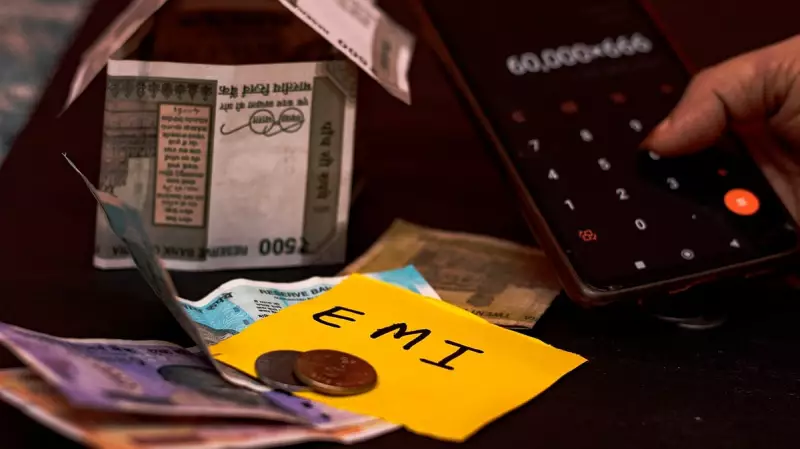
Experts analysing the survey data point to a fundamental problem: a severe mismatch between monthly EMI obligations and actual income. This EMI-income imbalance is identified as the primary driver forcing borrowers to seek more loans, often from informal or digital lending platforms with opaque terms. As existing EMIs consume a disproportionate share of monthly earnings, individuals find themselves with insufficient funds for living expenses, pushing them further into debt to make ends meet. This creates a vicious cycle of borrowing from one source to repay another, ultimately increasing their vulnerability.

Consequences and the Call for Action
The consequences extend beyond financial strain. The constant threat of harassment from recovery agents takes a severe toll on mental health and family well-being. The survey, published on 08 January 2026 and reported by Uma Kannan, serves as a critical alert for regulators, lenders, and policymakers. It underscores the urgent need for stronger borrower protection laws, ethical recovery practices, and financial literacy initiatives to help individuals assess sustainable debt levels. Addressing the core issue of income stability and responsible lending is crucial to breaking this harmful cycle of debt and harassment.