Everyday Moments Teach Kids Money Skills Better Than Formal Lessons
Parents often believe that teaching children about money requires a structured, sit-down conversation. However, the reality is that many valuable lessons can be seamlessly integrated into tiny, ordinary moments of daily life. You don't need charts, worksheets, or elaborate plans—just the normal stuff that happens every day. Even simply noticing small details can start planting essential ideas about money in young minds.
Shopping Together as a Learning Opportunity
Take grocery shopping, for example. When your child is picking snacks, encourage them to notice the prices. You might casually say out loud, "Hmm, these cookies are 50 rupees, and that chocolate is 30." There's no need to turn it into a formal lesson. Just talking about choices, such as selecting one item over another, gives them a small taste of decision-making and budgeting.
Sometimes, allowing children to pay with their pocket money for a small item can make the concept of spending more tangible. They immediately feel the impact of their purchase. This approach isn't about controlling them but letting them experience the trade-off between wanting something and what they can realistically afford.

Allowance and Small Purchases Build Financial Awareness
Even a tiny weekly allowance can teach significant lessons. If a child has ₹100 to spend for the week, they quickly learn that money runs out if they're not careful. Some days, they might spend it all on candies in one go, while other times, they might save a little for the weekend. Both outcomes are okay and provide learning experiences.
Parents often observe small wins in this process, such as when a child chooses to wait for a bigger treat rather than spending money immediately. This demonstrates early planning and delayed gratification, key components of financial literacy.
Planning for Treats and Special Occasions
Birthday parties, movie tickets, or small treats offer excellent chances to introduce planning. When you go out, involve your child in checking prices, counting money, and deciding if there's enough for something extra. It doesn't require a big talk—a quiet question like, "Do we have enough for a soda too?" can get them thinking critically.
Slowly, children start to notice how careful planning helps them get more of what they enjoy, reinforcing the value of budgeting and foresight in everyday situations.
Saving Jars and Everyday Goals Foster Patience
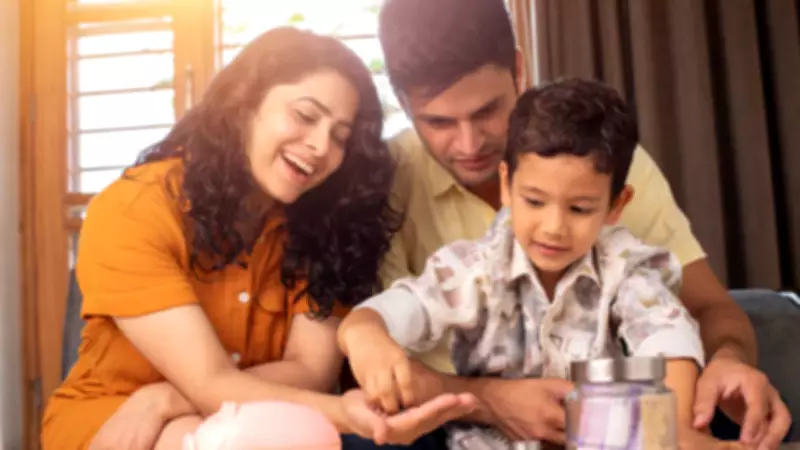
Some parents use jars for saving, labeling them for different purposes like toys, snacks, or bigger goals such as a bicycle. Kids see the jar growing over time and gradually realize that patience matters. They learn that skipping small buys can add up significantly, helping them reach their goals faster.
Often, children get excited just by putting coins in the jar, counting them, and seeing how close they are to their target. This activity becomes a little habit without any forcing, making saving a natural and enjoyable part of their routine.
Lessons Hide in Everyday Decisions
Money lessons don't need to be formal or structured. A child naturally notices when you pay a bill, compare prices at the store, or decide between needs and wants. Sometimes they copy these behaviors, and other times they simply watch and absorb the information.
Little things like borrowing, credit, saving, spending, or just choosing what to buy all quietly teach them about financial responsibility. They learn naturally through observation and experience, without anyone feeling like they're being lectured.