The Rush to Nowhere: Can We Pause the Hurry Culture?
Work is worship, so we have been told for generations. However, this age-old adage does not imply that we should view its opposite—leisure—as sheer laziness or unproductive time. It is perfectly acceptable if not every free moment is dedicated to activities that yield material gain or professional advancement. In fact, the choices we make during our spare time often bring us closer to living a genuinely good and fulfilling life, one that balances achievement with personal well-being.
The Plight of Gig Workers in New Delhi
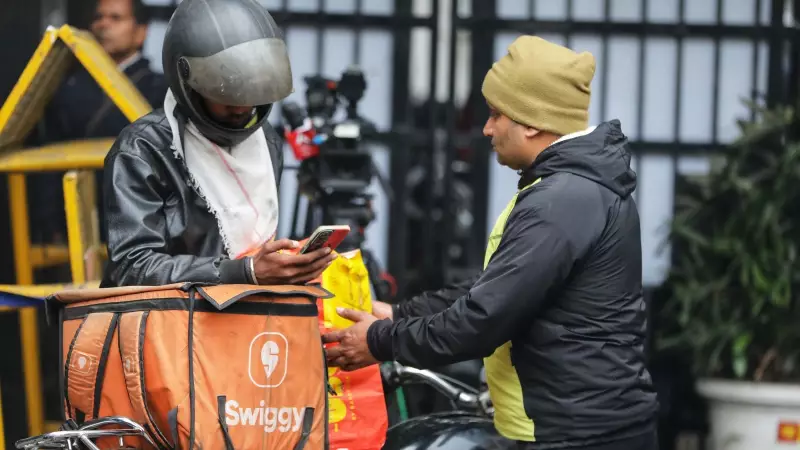
Every news outlet has extensively covered the exhausting pressures faced by gig workers, particularly those involved in 10-minute delivery services. These individuals operate in a relentless cycle of constant anxiety, frequently risking their lives to meet tight deadlines and maintain favorable ratings on platforms like Blinkit or Zomato. The situation is undeniably complex. If these workers had better employment prospects, would they willingly zip around on precarious two-wheelers in biting cold weather, lugging heavy bags for minimal pay? This question highlights a depressingly wide chasm between promoters boasting billion-dollar valuations, demanding consumers, and the beleaguered delivery personnel.
This disparity has begun to grate on the nation's conscience, prompting a broader discussion. While businessmen certainly have a duty to improve labor conditions, it is not solely their responsibility. A critical question begs to be asked: Other than an ambulance, why should anyone need anything delivered in under 10 minutes? This inquiry strikes at the heart of modern hurry culture, which has become the bane of contemporary life.

The Culture of Perpetual Hurry
We live in an era where everyone is expected to be more, achieve more, and create more—all as rapidly as possible. Society venerates figures like a Mamdani who becomes a mayor in his 30s or a Mark Zuckerberg who builds a global empire in his 20s. Companies routinely incentivize sales and reward rapid results, reinforcing the notion that speed sells. While there is nothing inherently wrong with aspiring for greater accomplishments, problems arise when everything feels urgently required, especially when this urgency comes at the expense of vulnerable individuals.
It is only right to recalibrate our to-do lists and question this relentless pace. Unfortunately, a perpetual state of being frazzled and overworked has come to symbolize success for many. Outpacing others to get tasks done breathlessly has become our default setting. Ten-minute deliveries epitomize this trend, corresponding exactly with the current obsession to wring out the last bit of efficiency from every precious second. Perhaps it is time to calm down and humbly recall that, existentially speaking, most of what we do does not hold lasting significance.
Signs of Paranoid Rushing Everywhere
Signs of this paranoid rushing are ubiquitous. They manifest in traffic jams, security queues at airports, and the hectic schedules of students. A city child's life today is an intense whirlwind, dashing between tuition classes and extracurricular activities, leaving them as exhausted as adults by day's end. Reflecting on personal experience, I recall being a latchkey kid with ample hours to ride my cycle, play hide-and-seek and carrom with friends, or spend blissful afternoons reading random—sometimes inappropriate—books. These unregulated hours of trivial pursuits did not skill me up for great academic glory, but they were invaluable.
Would I trade those memories to be enviably accomplished like today's children? Absolutely not. Childhood idleness is necessary for figuring out one's priorities, interests, and even deciding what kind of life one wants to lead. It fosters creativity and self-discovery, elements often lost in today's over-scheduled youth. Mostly, I feel profound sympathy for the younger generation. Market forces and chronic uncertainty have created an imperative to overachieve and tear through life at breakneck speed.

Historical Perspectives and Modern Realities
W.H. Davies' wistful lines from his 1911 poem Leisure warned that busyness distracts from the world's beauty: "No time to see in broad daylight, Streams full of stars, like skies at night." However, the state of affairs today is so much worse that it feels almost tone-deaf to lament the lack of headspace for quietly appreciating nature's bounty. In an era where eking out a living has never been more challenging, daydreaming seems a luxury few can afford.
Even during off-work hours, there are unspecified expectations that we must continuously brand and sell ourselves. Whether it is slyly posting personal successes for potential employers or furthering agendas through networking, leisure time can no longer be cleanly separated from self-promotion. This blurring of boundaries exacerbates the pressure to remain perpetually productive.
Reclaiming Leisure and Balance
Returning to the core idea: work is worship, but leisure should not be dismissed as laziness. It is perfectly alright if every free moment is not spent on activities that bring material gain. The choices we make in our spare time—whether reading, playing, or simply resting—bring us closer to living a good life. They allow for reflection, connection, and personal growth that hustle culture often neglects.
In conclusion, as we navigate the demands of modern life, it is crucial to pause and question the rush to nowhere. By recalibrating our priorities and valuing leisure as much as labor, we can foster a more balanced and humane existence for all, from gig workers in New Delhi to over-scheduled students and professionals everywhere.