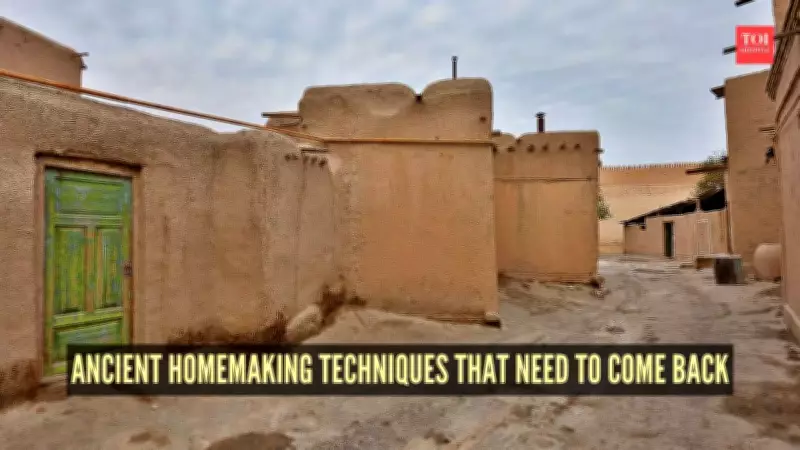
Ancient Mud Homes: 5 Sustainable Techniques for Natural Cooling in Summer
For centuries, traditional houses constructed from natural materials have been ingeniously designed to adapt seamlessly to regional climatic conditions. Across India and numerous hot countries worldwide, mud homes have been particularly valued for their remarkable ability to provide comfort even during scorching summer heatwaves. These structures are the result of intelligent construction strategies that work in harmony with nature rather than against it. As the global emphasis on sustainable architecture intensifies, these ancient homemaking techniques are once again gaining prominence for their unparalleled comfort and eco-friendliness.
Thick Mud Walls for Superior Insulation
One of the most significant features of traditional mud homes is their exceptionally thick walls. Mud possesses excellent insulating qualities that modern materials often lack. The substantial thickness of these walls helps retain and regulate interior temperatures effectively. During hot days, the walls absorb heat slowly, preventing rapid temperature increases inside the home. At night, this stored heat releases gradually, maintaining a consistent and pleasant indoor climate throughout the day and night.
Utilization of Natural, Breathable Materials
Mud homes are constructed using readily available natural materials including clay, straw, sand, and sometimes cow dung. Unlike concrete which traps heat, these materials allow walls to breathe naturally. This breathability enables walls to absorb and release moisture efficiently, creating a self-regulating system that prevents excessive heat buildup. The porous nature of these materials facilitates natural ventilation and temperature moderation without requiring mechanical intervention.

Courtyard-Based Design for Optimal Airflow
Traditional architectural designs frequently incorporated central open courtyards that served as natural climate control systems. This ingenious layout allowed for continuous natural airflow circulation throughout the entire house. Warm air would naturally rise and escape through the open space, while cooler air flowed into surrounding rooms. The courtyard also provided essential shade and diffused natural light, significantly reducing dependence on artificial cooling systems while enhancing comfort during extreme heat.
Thatched or Clay-Tiled Roofing Systems
Roofs constructed from thatch, clay tiles, or similar natural materials play a crucial role in maintaining cool interiors in mud houses. These roofing alternatives absorb substantially less heat compared to modern metal or concrete roofs. The layered structure of natural fibers or tiles creates numerous small air pockets that function as effective insulation barriers. This design prevents excessive heat penetration while maintaining pleasant indoor temperatures even during peak summer months.
Lime or Mud Plaster Coatings for Temperature Regulation
Many traditional homes utilized lime or mud plaster on walls instead of contemporary cement-based finishes. Lime plaster possesses natural reflective properties that deflect sunlight while offering inherent cooling characteristics. These breathable coatings facilitate moisture exchange between walls and surrounding air, actively helping regulate indoor temperatures. Beyond improving thermal comfort, these natural finishes enhance wall durability while maintaining completely eco-friendly construction principles.
Ancient mud houses exemplify the intelligent application of sustainable architectural principles, maintaining cool interiors without reliance on modern air-conditioning systems. As global communities increasingly seek sustainable and environmentally conscious housing solutions, these time-tested homemaking practices are experiencing renewed interest for their potential applications in contemporary eco-friendly construction projects.