

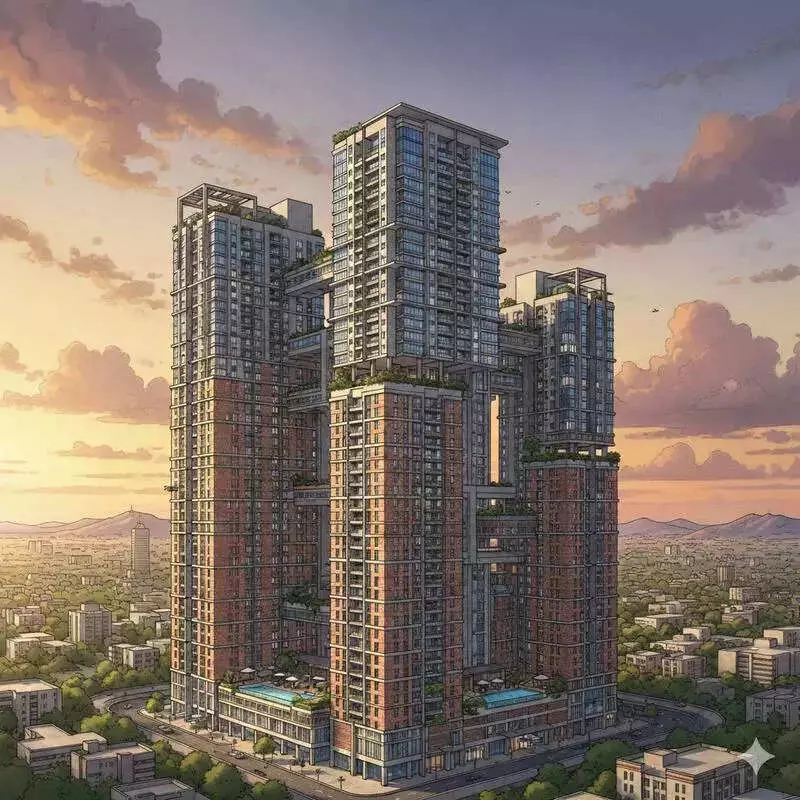
Bengaluru's Housing Market Embraces 3BHK as the New Standard
In a significant transformation of Bengaluru's residential landscape, aspirational homebuyers and tenants are increasingly opting for 3BHK apartments over traditional 2BHK units. This shift reflects a growing preference for spacious living environments that accommodate essential activities while providing extra room for health, fitness, and entertainment purposes.
From Upgrade to Default Choice
What was once considered an upgrade from 2BHK configurations has now become the primary—almost default—choice for both homebuyers and tenants across Bengaluru. This decisive move toward larger, lifestyle-oriented living spaces signals a fundamental change in urban housing preferences. According to a comprehensive report from Knight Frank Research, developers are actively responding to this trend by increasingly focusing on constructing bigger homes that align with evolving buyer demands.
Growing Demand for Spacious Living
The data reveals a clear pattern: in 2025, the average size of new apartments in Bengaluru increased by 7% compared to 2024. This growth indicates rising demand for spacious layouts equipped with modern features and lifestyle-driven amenities. Developers have identified the sweet spot in the 3BHK category, typically ranging between 1,700 and 2,100 square feet, within residential projects that offer comprehensive facilities including clubhouses, swimming pools, parks, and other community-oriented features.

Project Planning Aligns with Buyer Preferences
The trend toward larger homes is visibly influencing project planning across Bengaluru's real estate sector. Data from the NoBroker Buy-Sell Report indicates that 2025 was characterized less by the number of new launches and more by the scale of developments. Developers are increasingly betting on larger gated communities and mega townships rather than smaller, standalone projects. This strategic shift aligns perfectly with buyer preferences for integrated living environments that offer comprehensive amenities and community spaces.
Infrastructure Growth Drives Demand
Zahed Mehmood, treasurer of the Bangalore Realtors' Association (India chapter), explains that demand for larger homes is strongest in areas experiencing significant infrastructure development. "North Bengaluru, Outer Ring Road, Whitefield, and parts of south Bengaluru are witnessing particularly high demand due to Metro expansion, new IT parks, educational institutions, and other facilities coming up in these regions," he noted. While central Bengaluru continues to attract high-net-worth buyers, options remain limited by smaller apartment sizes in these established neighborhoods.
Mehmood added that buyers are stretching their budgets for two primary reasons: "Home loan EMIs have become more manageable with eased interest rates, and many professionals—especially those in IT and technology sectors—prefer purchasing a bigger home once rather than going through multiple upgrades later."
Post-Pandemic Home Perception Shift
Developers point to a fundamental change in how homes are perceived following the COVID-19 pandemic. Sunil Pareek, executive director of Assetz Property Group, observes that homes are no longer viewed merely as emotional security assets. "They have transformed into multifunctional spaces that must support work-from-home arrangements, personal hobbies, fitness activities, storage needs, entertainment requirements, and daily living all under one roof," he explained. This shift is further reinforced by Bengaluru's position as a hub for global capability centers, attracting professionals with specific lifestyle expectations.
Pareek noted that buyers who previously opted for 1,300–1,400-square-foot homes are now upgrading to 1,800-1,900-square-foot units. "Three bedrooms are becoming essential—for personal use, children or guests, and flexible work or hobby needs—cementing 3BHK configurations as the new normal in Bengaluru's housing market," he emphasized.

Larger Homes as Long-Term Assets
Karishmah Singh, president (sales, marketing and CRM) at Sattva Group, highlights that larger homes are increasingly viewed as long-term investment assets. "Bigger flats enable generational wealth creation, with strong price appreciation and relevance across different life stages justifying higher ticket sizes," she stated. This trend is particularly evident in eastern and southern micro-markets and is gaining momentum in northern regions, driven by airport-led growth, new business districts, and improved connectivity infrastructure.
"Access to green spaces, open areas, and community-centric design has emerged as a key factor shaping buyer preferences across Bengaluru," Singh added, underscoring the importance of holistic living environments in contemporary housing decisions.
Rental Market Mirrors the Trend
The preference for larger homes extends to Bengaluru's rental market as well. According to the Magicbricks Rental Index, Bengaluru's rents surged 15.7% quarter-on-quarter during January-March 2025 and continued to rise by another 2.6% in July-September, even as demand softened slightly. Semi-furnished 2BHK and 3BHK units dominated tenant enquiries, particularly across IT corridors. Mid-range homes priced between ₹10,000 and ₹30,000 per month witnessed the highest rental traction, indicating strong demand for reasonably priced, spacious accommodations.
Key Drivers Behind the 3BHK Preference
Lifestyle and Comfort: Bigger homes make entertaining, socializing, and daily living more comfortable and enjoyable for residents.
Extra Space for Work and Hobbies: Modern homeowners want dedicated room for home offices, personal gyms, study areas, music corners, or entertainment spaces.
Room for Family & Guests: Larger configurations allow sufficient space for children, visiting relatives, or flexible usage according to changing family needs.
Investment & Wealth Creation: These properties serve as long-term assets that appreciate over time and suit different life stages, making them financially prudent choices.
Location & Connectivity: Well-connected areas with Metro access, quality schools, IT parks, green spaces, and planned communities continue to experience high demand from discerning buyers.





