

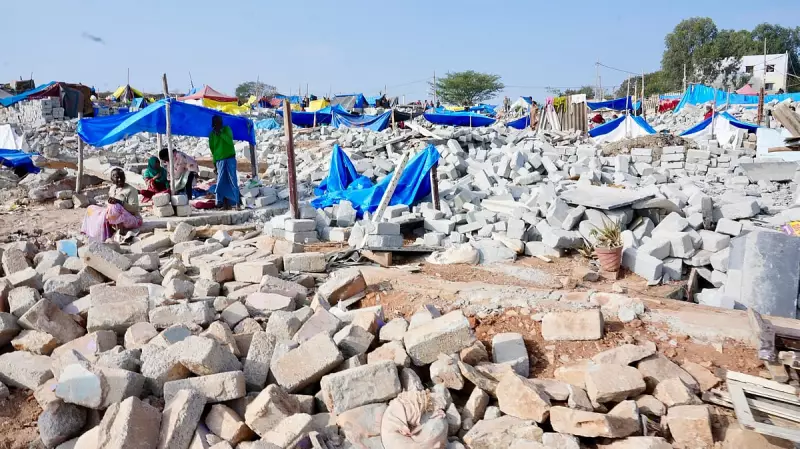
A wave of distress and anger has swept through the upscale Raj Mahal Vilas Extension 2nd Block in Bengaluru following a controversial demolition drive conducted by civic authorities. Residents are now grappling with shockingly high recovery notices, with demands to pay sums as exorbitant as Rs 25 lakh for the demolition of allegedly illegal structures on their properties.
The Demolition Drive and Its Immediate Aftermath
On a recent Tuesday, officials from the Bruhat Bengaluru Mahanagara Palike (BBMP) arrived with heavy machinery at the posh locality. Their target: portions of homes and properties deemed to be illegal constructions. The operation resulted in the demolition of structures across several sites, leaving behind rubble and a deep sense of injustice among the residents.
The situation escalated further when the affected homeowners received formal notices from the BBMP. These notices did not merely inform them of the demolition; they slapped the residents with massive financial penalties. The civic body demanded payment for the costs incurred during the demolition operation, with one notice explicitly asking for a staggering Rs 24,96,920.

Residents Voice Their Grievances and Financial Hardship
The community's reaction has been one of unified protest. Residents argue that the entire process was fundamentally flawed and unjust. A primary complaint is the alleged lack of proper prior notice. Many claim they were never served any official communication or show-cause notice before the bulldozers rolled in, denying them any opportunity to present their case or rectify the situation.
Furthermore, the financial burden of the recovery notices has left families in a state of anxiety. One resident poignantly highlighted the absurdity of the demand, stating, "We don't even have money to get photocopies of our documents. How can we pay Rs 25 lakh?" This sentiment echoes the fear that these penalties could lead to severe financial ruin for otherwise law-abiding citizens.
The residents have taken collective action by submitting a written complaint to the local police station. In their complaint, they have detailed their version of events, emphasizing the absence of due process. They contend that the BBMP's action was high-handed and that the subsequent recovery notices are not only unaffordable but also legally questionable.
Broader Implications and Civic Accountability
This incident in Raj Mahal Vilas Extension raises critical questions about urban governance and citizen rights in Bengaluru. It underscores a persistent tension between civic bodies enforcing building regulations and residents who feel victimized by opaque processes. The case puts a spotlight on the BBMP's protocols for identifying illegal constructions, issuing warnings, and executing demolition drives.
The key issues at the heart of this controversy include:
- Due Process: Were the residents given adequate and lawful notice before the demolition?
- Transparency: How does the BBMP calculate the astronomical recovery costs charged to citizens?
- Proportionality: Is a recovery notice of nearly Rs 25 lakh a proportionate response, especially for individuals who may have been unaware of the violation?
As the residents await a response from the authorities, this event has become a flashpoint in the ongoing debate over illegal construction in Bengaluru and the methods used to address it. The outcome will likely influence how similar cases are handled in the future and could prompt calls for more transparent and humane civic administration. For now, the people of Raj Mahal Vilas Extension are fighting not just a financial demand, but for what they perceive as basic fairness and justice.






