

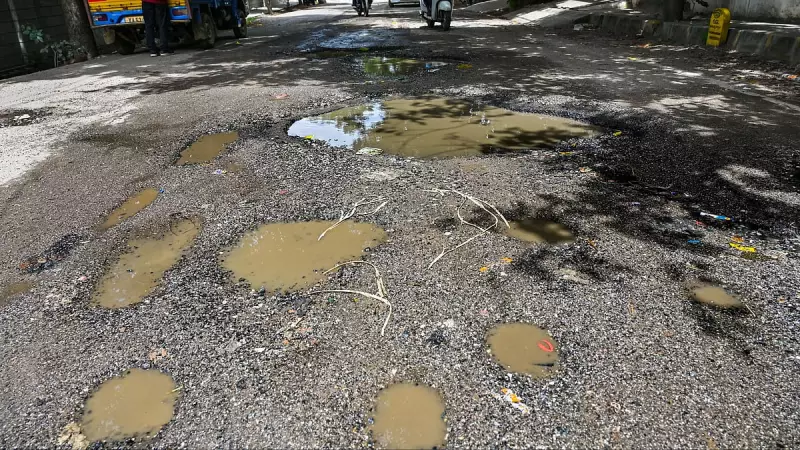
The Bruhat Bengaluru Mahanagara Palike (BBMP) is preparing to launch one of its most ambitious and expensive infrastructure projects to date: a massive road repair and reconstruction drive with a staggering budget of Rs 5,500 crore. This colossal sum, approved by the state government, is aimed at addressing the perennial and embarrassing problem of the city's crumbling road network. The initiative promises to cover a vast network of arterial and sub-arterial roads, but it raises a critical question that has haunted Bengaluru's citizens for years: Will this time be different? Can the city finally build roads that last beyond the next monsoon?
The Scale of the Problem and the Proposed Solution
For decades, Bengaluru's roads have been synonymous with potholes, uneven surfaces, and dangerous conditions, especially during the rainy season. The new plan, spearheaded by BBMP's Special Commissioner (Projects) Dr. Shivayogi C Kalasad, is not just another patchwork job. The civic body intends to take up the reconstruction of 1,200 km of roads under this new package. The focus will be on major thoroughfares that see high traffic volume.
A significant shift in this initiative is the move towards awarding large-scale contracts. Instead of dozens of small tenders, the BBMP plans to bundle road works into 12 mega packages, each valued at approximately Rs 450-500 crore. This approach, officials argue, will attract larger, more technically proficient construction firms capable of delivering higher-quality work. The tender process is expected to be finalized and works begun after the model code of conduct for the upcoming elections is lifted.

Key Reforms in the New Contract Model
The BBMP claims to have learned from past failures. The new contracts will incorporate stricter clauses designed to enforce accountability and ensure longevity. A central feature is the proposed eight-year defect liability period. This means the contractor will be legally bound to maintain and repair the road at their own cost for eight years after completion. Any failure, including the emergence of potholes, will be the contractor's responsibility to fix.
Furthermore, the payment structure is being overhauled. Only 60% of the project cost will be paid during the actual construction phase. The remaining 40% will be released in equal instalments over the subsequent eight-year maintenance period. This financial model is intended to keep contractors invested in the road's condition long after the initial asphalt has been laid. "The idea is to ensure the contractor remains responsible for the road's health," explained Dr. Kalasad.
Expert Skepticism and Past Lessons
Despite the grand plans and new contract terms, urban planners and civic activists remain deeply skeptical. Experts like Prof. Ashwin Mahesh, a noted urbanist, point out that the fundamental issue is not just the contract but the entire process of road construction and the materials used. He emphasizes that proper base preparation, drainage, and quality control during execution are often compromised, leading to rapid deterioration.
The memory of the Rs 1,600 crore spent on road repairs just before the 2023 monsoon, which failed spectacularly, is still fresh. Citizens witnessed those newly laid roads disintegrating within weeks under rainfall, highlighting a systemic failure in quality assurance and oversight. The new eight-year liability clause is seen as a positive step, but its enforcement will be the real test. The BBMP's track record in holding powerful contractors accountable has been weak in the past.
The Road Ahead: Challenges and Expectations
The success of this Rs 5,500 crore gamble hinges on several factors beyond the contract paper. Effective and independent third-party quality audits during construction are crucial. The role of utility agencies like BWSSB, Bescom, and telecom providers is also critical. Road cutting by these agencies after reconstruction has historically been a major cause of damage, and a coordinated mechanism to prevent this is essential.

For Bengaluru's weary residents, the announcement brings a mix of hope and cynicism. While the scale of investment is unprecedented, the city has seen large budgets vanish before with little lasting improvement. The BBMP's challenge is to translate this financial commitment into tangible, durable infrastructure that can withstand the city's traffic and weather. The coming months, as tenders are awarded and work begins, will reveal whether this is truly a turning point or just another expensive chapter in Bengaluru's endless struggle with its roads.





