

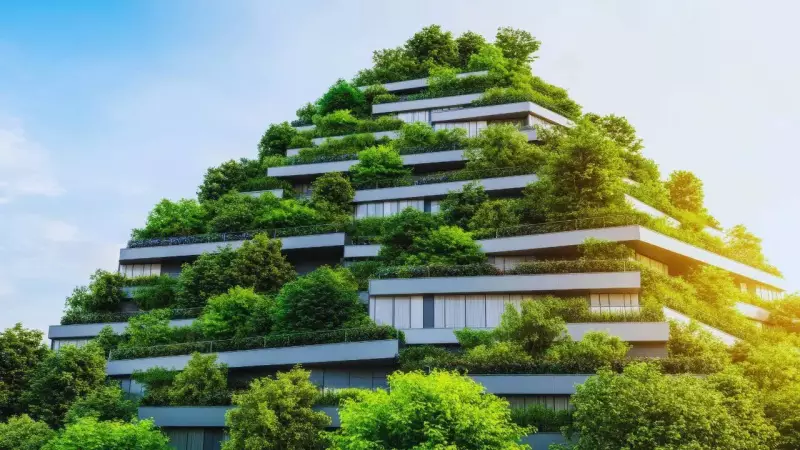
When Sharda Singh decided to relocate from Indore to Delhi to be closer to her children in Noida, she faced a common urban dilemma. Her advanced age made managing a large house difficult, but the prospect of Delhi's extreme temperatures, high pollution levels, and the concrete jungle's disconnect from nature filled her with concern. The search for a peaceful, healthy home in the metropolitan chaos seemed daunting.
The Urban Solution: Embracing Biophilic Design
Her perspective changed dramatically when her architect introduced her to the concept of biophilic design for her new flat. This innovative approach, which integrates natural elements into built environments, is revolutionizing urban living across Indian cities like Delhi, Mumbai, and Bangalore. It transforms sterile concrete boxes into vibrant, serene sanctuaries that promote wellbeing.
This shift is more than a passing trend; it's a science-backed movement addressing a critical modern issue. City dwellers spend approximately 90% of their time indoors, leading to increased screen fatigue and stress levels. Biophilic design counters this by mimicking nature's inherent rhythms within our homes.

The Science Behind Greener Interiors
Substantial research validates the benefits of bringing nature inside. A study published in the National Library of Medicine found that active interaction with indoor plants can reduce both physiological and psychological stress compared to mental work. Further evidence from a University of New Hampshire report indicates that lush indoor greenery can lower cortisol levels by up to 15%.
Natural light plays an equally vital role, helping to regulate our circadian rhythms, which improves sleep quality and focus. Designers are now proactively planning layouts around plant zones, water features, and light wells from the initial stages, creating a seamless, organic flow rather than an afterthought.
Key Biophilic Trends Shaping Apartments in 2026
The evolution of biophilic design has moved far beyond scattered potted plants. Today's integrations are sophisticated and holistic:
- Vertical Living Walls: These self-watering panels of air plants and succulents grow up walls, transforming blank spaces into living art that purifies air and dampens city noise.
- Layered Greenery Systems: Combining real ferns, preserved moss panels, and artificial vines creates a lush, maintenance-friendly aesthetic.
- Natural Textures & Elements: Reclaimed wood, stone accent walls, linen textiles, and small indoor water features like fountains engage the senses and foster tranquility.
- Smart Tech Integration: Circadian rhythm lighting that mimics dawn and dusk, AI apps for plant care, and bio-based paints that emit forest scents are becoming standard.
These features are not mere gimmicks. They offer tangible advantages like naturally cooling spaces to reduce energy costs and significantly boosting resale value by appealing to eco-conscious buyers in competitive markets like Delhi NCR and Mumbai.
Blending Tradition with Modern Innovation
In India, biophilic design finds a natural resonance with traditional architectural wisdom. It pays homage to concepts like courtyard havelis and Vastu Shastra, which are fundamentally based on harmony with nature. Real estate design expert Mayank Pandey suggests incorporating cultural elements like mango wood furniture, clay diyas, or traditional motifs into nature-inspired spaces.
He notes a significant market shift: "In Delhi/NCR, we have observed that biophilic homes attract 20% more tenants," as people increasingly seek a grounded, joyful living experience. Post-pandemic, dedicated wellness corners or balcony sanctuaries with yoga nooks and pebble floors are highly sought-after.
For renters or those on a budget, starting small is effective and affordable. Macrame planters, jute throws, peel-and-stick moss tiles, or DIY terrariums in old jars can initiate the transformation. The payoff is swift—plants absorb volatile organic compounds (VOCs) from furniture, improving indoor air quality in sealed urban apartments.

Ultimately, biophilic design represents the heart of smart, sustainable living as Indian cities grow denser. It is an affordable, uplifting, and profoundly human-centric approach to urban housing. As Sharda Singh's story illustrates, it's about reclaiming peace, one leaf at a time, turning a concrete box into a living home.





