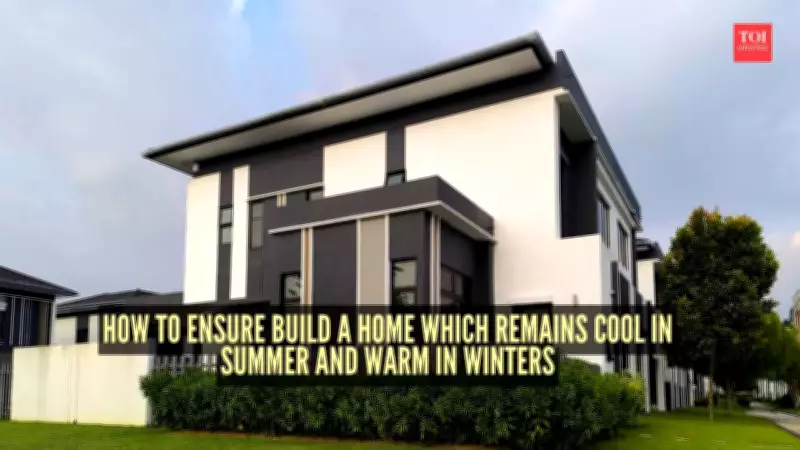
Creating a home that remains comfortably cool during scorching summers and warmly cozy in chilly winters is not just about luxury—it's a smart investment in long-term energy savings and environmental sustainability. By incorporating intelligent passive design strategies from the very beginning of the planning process, homeowners can significantly reduce their reliance on expensive artificial heating and cooling systems. These approaches work harmoniously with local climate conditions, solar patterns, airflow dynamics, and material properties to deliver consistent indoor comfort throughout the year.
Optimize Building Orientation for Maximum Efficiency
One of the most crucial yet cost-free steps in designing an energy-efficient home is thoughtful orientation on the site. Ideally, the longer facade of the house should face the direction that receives beneficial sunlight—typically south in the Northern Hemisphere—while also aligning with prevailing wind patterns. This strategic placement allows the home to capture warming winter sun naturally, while avoiding the harsh, direct rays of summer. Simultaneously, it encourages cooling breezes to flow through the living spaces, enhancing natural ventilation without any additional expense.
Invest in Proper Insulation and Airtight Construction
High-quality insulation in walls, roofs, and floors acts as a thermal barrier, resisting heat gain during hot months and preventing heat loss in colder seasons. Materials such as Expanded Polystyrene (EPS) panels, Autoclaved Aerated Concrete (AAC) blocks, or fibreglass offer excellent insulation properties. Complementing this with airtight sealing—by minimizing cracks, gaps, and leaks—ensures that unwanted air movement is curtailed, which otherwise leads to increased energy consumption. Although these upgrades involve an initial investment, they pay for themselves many times over through substantial reductions in long-term heating and cooling costs.

Incorporate Thermal Mass Materials for Temperature Regulation
Utilizing materials with high thermal mass, such as brick, concrete, or stone, can significantly moderate indoor temperature fluctuations. These substances absorb heat during the day and release it slowly as the air cools, helping to keep interiors cooler in summer afternoons and warmer during winter nights. When strategically placed and combined with effective shading and ventilation systems, thermal mass reduces the need for mechanical heating and cooling, fostering a naturally comfortable living environment throughout the year.
Implement Shading and Reflective Surfaces
Installing overhangs, pergolas, awnings, or using light-coloured and reflective paints on roofs and walls can prevent direct solar heat from penetrating living spaces during summer. Additionally, planting deciduous trees or tall shrubs around the home provides natural shade and cooling effects. In winter, adjustable shading solutions allow low-angled sunlight to enter and warm the interior. These relatively inexpensive strategies can dramatically decrease the heat load on the building, leading to lower energy consumption and enhanced comfort.
Enable Natural Ventilation for Effective Cooling
Designing windows and openings to facilitate cross-ventilation creates efficient pathways for air to flow, carrying away accumulated heat. During hot months, opening windows at night helps flush out the heat built up during the day. Incorporating elements like windcatchers or simple vent shafts can further enhance airflow. Natural ventilation stands out as one of the most economical and effective methods to cool a home without relying on energy-intensive air conditioning systems.
By embracing these passive design principles—thoughtful orientation, robust insulation, strategic use of thermal mass, effective shading, and natural ventilation—homeowners can create residences that work in synergy with nature rather than against it. These cost-effective techniques not only slash utility bills and reduce environmental impact but also ensure a healthier, more comfortable indoor atmosphere year-round. Investing wisely in such design choices today promises decades of energy savings and sustainable living benefits.