

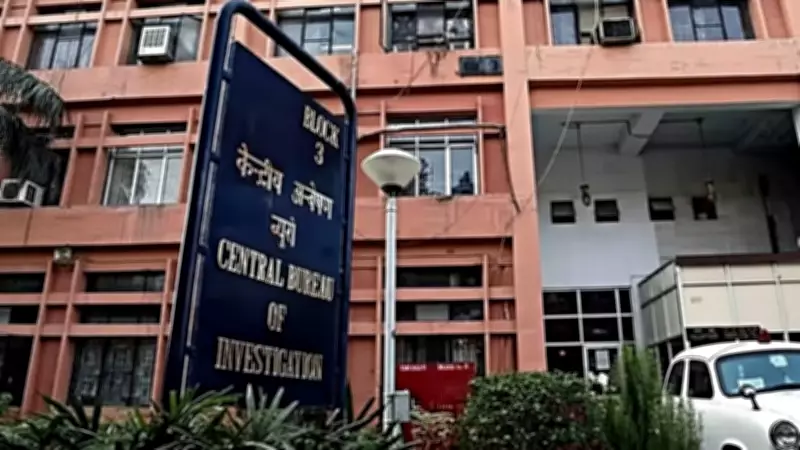
CBI Chargesheet Uncovers Widespread Fraud in NCR Real Estate Project
The Central Bureau of Investigation (CBI) has filed a chargesheet detailing serious allegations against a Noida-based builder, accusing the firm of cheating homebuyers through a web of deceit and collusion with banks. This case, part of the broader builder-bank nexus scandal, involves the sale of 672 flats under false pretenses, with homes already owned being resold and refunds denied to aggrieved buyers.
Details of the Chargesheet and Legal Proceedings
In the chargesheet, the CBI has accused Rudra Buildwell Constructions Pvt Ltd, which launched the Kbnows Apartments project in Noida's Sector 16 in 2012-13, of criminal conspiracy and cheating. The agency registered the case on July 27 last year and informed the Supreme Court on January 20 this year that it had completed investigations in three of 28 such cases. Following this, the Supreme Court directed a trial court to take cognizance, which was done by a Magistrate court in Delhi on January 27.
Background of the Supreme Court Intervention
The Supreme Court initiated the CBI probe after finding a prima facie nexus between major banks and builders in projects across Noida, Greater Noida, Yamuna Expressway, Gurgaon, and Ghaziabad on April 29 last year. This came in response to petitions filed by over 1,200 homebuyers who booked flats under subvention plans in the NCR. These buyers alleged they were forced by banks to pay EMIs despite not receiving possession, leading them to approach the top court after the Delhi High Court dismissed their petitions on March 14, 2022.

Specific Allegations and Victim Testimonies
The CBI alleges that Rudra Buildwell sold the 672 flats by making false promises of timely delivery, collecting substantial amounts from homebuyers. However, the project remained incomplete, with only basic civil structures built, rendering the flats unfit for occupation. One complainant, Nupur Chaurasia, paid Rs 9.45 lakh and took a home loan of Rs 35 lakh from Central Bank of India, Ghaziabad, under a tripartite agreement in July 2020. She was promised possession within six months, but the CBI found the flat had already been sold in 2017 to Mohd. Ehtesham for Rs 42 lakh and was resold to her without disclosure.
Consequences for Homebuyers and Legal Actions
Ehtesham, who did not receive possession, requested cancellation in November 2019, with the builder assuring liability for dues. However, his loan account remained open, forcing him to pay Rs 8 lakh from his pocket. The CBI highlighted that the accused concealed the prior sale from Chaurasia, inducing the bank to sanction the loan under false pretenses. Additional Chief Judicial Magistrate Jyoti Maheshwari noted this fraudulent intent in her order, summoning the company and its directors to appear on February 12.
Broader Implications for Real Estate Regulation
This case underscores the vulnerabilities in the real estate sector, particularly in the NCR, where homebuyers face risks from builder-bank collusion. It raises questions about the effectiveness of regulatory bodies like RERA and highlights the need for stricter enforcement to protect consumers from such fraudulent practices.






