

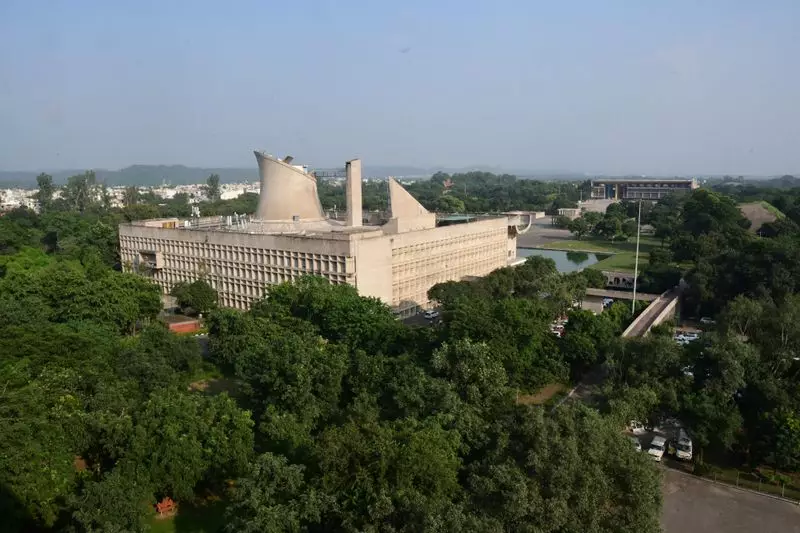
The year 2026 is being heralded as a pivotal year of delivery for the Chandigarh Tricity, marking a decisive shift from a period of delays and hurdles. After facing missed deadlines, court interventions, funding challenges, and growing public impatience, the combined urban agglomeration of Chandigarh, Mohali, and Panchkula is gearing up for a massive infrastructure transformation. The total pipeline of development projects is now valued at a staggering over Rs 50,000 crore, encompassing critical upgrades in transportation, housing, healthcare, and civic administration.
A Long-Awaited Turnaround for Tricity Connectivity
The focus on transportation infrastructure is sharp and immediate. Residents can expect to see a series of key deliverables finally taking shape. New flyovers are rolling out and ring roads are opening, aimed at decongesting the ever-busy arteries connecting the three cities. In a significant revival, deliberations on the much-anticipated Metro rail project for the region have been reignited. This network is seen as a long-term solution to the Tricity's traffic woes and is a central piece of the 2026 roadmap. The concerted push indicates a clear intent to convert past promises into tangible assets for daily commuters.
Beyond Roads: Roofs, Healthcare, and Systemic Reforms
The Rs 50,000-crore blueprint extends far beyond just roads and rail. A major component involves large-scale housing projects to address urban expansion and demand. Simultaneously, plans are advancing for the establishment of a regional medical hub, poised to enhance specialized healthcare services for the entire population. This infrastructural reset also includes long-pending administrative and civic reforms, which are crucial for improving governance and service delivery. The scope of work suggests a holistic approach to urban development, targeting both physical infrastructure and systemic efficiency.

The Road to 2026: From Frustration to Execution
The framing of 2026 as a "turnaround year" comes after a phase where public frustration mounted over stalled projects. The acknowledgment of previous issues like court stays and funding stress underscores the complexity of executing mega-projects in the region. However, the current positioning signals a renewed administrative and political commitment to see these projects through. The coming months will be critical in observing how these plans transition from announcements and pipelines to on-ground reality, setting a new precedent for urban development in North India.
The scale of investment, at over Rs 50,000 crore, highlights the strategic importance of the Chandigarh, Mohali, and Panchkula belt. Successful execution in 2026 could redefine the region's economic trajectory and quality of life, making it a benchmark for integrated urban planning. All eyes will now be on the timely completion of these projects, as the Tricity stands on the brink of a major transformation.






