The Evolution of India's Workplace Ecosystem
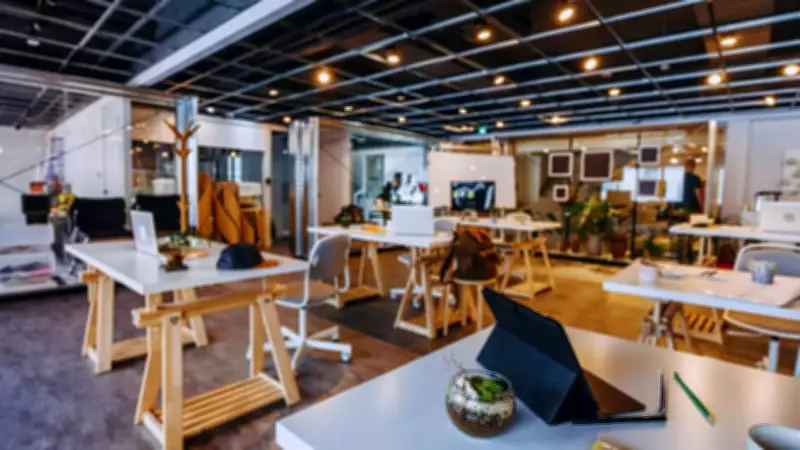
There has been a fundamental transformation in how workplaces are perceived and utilized in contemporary India. Offices are no longer viewed as conventional, monotonous environments solely dedicated to routine tasks. Instead, they have evolved into dynamic, opportunity-rich spaces that foster innovation and collaboration.
From Facility-Driven to Experience-Led Design
A significant revolution is occurring in workplace design philosophy across the country. The traditional approach focused primarily on basic facilities has given way to an experience-centric model. In this context, flexible workspaces and coworking environments have emerged as the most prominent catalysts of this transition.
What began as a simple concept of shared desks, flexible leasing arrangements, and essential amenities has matured into sophisticated environments that actively shape productivity, collaboration, and organizational culture. As the fundamental nature of work continues to evolve, coworking spaces are no longer evaluated based solely on physical infrastructure. Instead, assessment now focuses on the quality of experiences they create for businesses and their employees.

Driving Forces Behind the Flexible Workspace Boom
The demand profile for flexible workspaces has undergone substantial transformation, primarily driven by three key factors:
- Enterprise adoption as multinational corporations expand their India presence
- Growth of Global Capability Centres (GCCs) establishing operations in India
- A structural shift toward flexible workspace models across industries
These organizations require sophisticated infrastructure including secure digital networks, private work zones, compliance-ready systems, and robust IT support. This shift is dramatically influencing India's real estate sector, with coworking formats and GCCs becoming major growth drivers. According to recent estimates, these formats are projected to experience nearly threefold growth within the next two years.
Technology and Collaboration as Cornerstones
According to Manas Mehrotra, Founder of 315Work Avenue, "Technology plays a crucial role in today's flexible workspace environment through intelligent access systems and community engagement tools. For companies operating across multiple cities or globally, these tools have become essential for delivering seamless customer experiences."
He further explains, "Collaboration has emerged as the primary driver, enabling mentoring, innovation, and culture-building when people gather in thoughtfully designed environments. Coworking setups have responded to this need by reimagining space allocation. Lounge areas, conference rooms, and breakout spaces now play pivotal roles in office design, fundamentally defining the workplace experience."
The Sustainability Revolution in Workplace Design
"Previously, sustainability rarely factored into workplace design considerations," Mehrotra notes. "The focus was simply on providing tables, chairs, and computer spaces. Today, however, developers increasingly prioritize designs that support both employee health and environmental wellbeing."
Modern workplaces now incorporate energy-efficient systems, intelligent resource management, and eco-conscious materials, which are rapidly becoming standard expectations. Beyond environmental benefits, sustainable design directly enhances human experience through improved air quality, natural lighting, biophilic elements, and ergonomic workstations that support physical and mental wellbeing.
This focus is increasingly influencing occupier decisions, with strong preferences emerging for high-quality, green-certified buildings across major Indian markets.
Investment Opportunities in Flexible Workspaces
According to Rajesh Kumar Choudhary, investment banker and management consultant, "Coworking spaces represent a significant new investment opportunity, particularly in rapidly growing markets like India. Changing work patterns have created fresh investment prospects as organizations increasingly prefer flexible, fully managed offices over traditional long-term leases."

Startups, small businesses, large enterprises, and Global Capability Centres all seek scalable spaces that minimize upfront costs while offering operational convenience. This demand shift has created substantial growth potential, with India's flexible workspace sector expected to expand rapidly in coming years, supported by hybrid work models and corporate expansion strategies.
"The most compelling aspect of coworking spaces is their diversified revenue streams," Choudhary explains. "From monthly memberships to private cabins, meeting rooms, event hosting, and value-added services, they generate multiple recurring cash flows. These spaces typically deliver higher yields per square foot compared to standard office leasing, making them attractive real estate investments."
For investors, opportunities extend beyond physical asset ownership to include backing coworking operators, commercial REITs, and managed workspace platforms.
The Future of India's Workplace Landscape
The future of office space is being reshaped by coworking and flexible workspace concepts designed around employee needs, emphasizing flexibility, intelligence, and purpose. These trends collectively signal a decisive new era where flexibility becomes integral to long-term portfolio strategies.
The office is no longer a static asset but rather an adaptive, service-oriented product that must continually earn employee loyalty. Providers who successfully combine hospitality principles, intelligent design, and operational excellence will define the future trajectory of workplace evolution in India.
Overall, the outlook for India's coworking sector remains exceptionally positive, positioning it as a powerful growth engine for the country's commercial real estate landscape for years to come.