

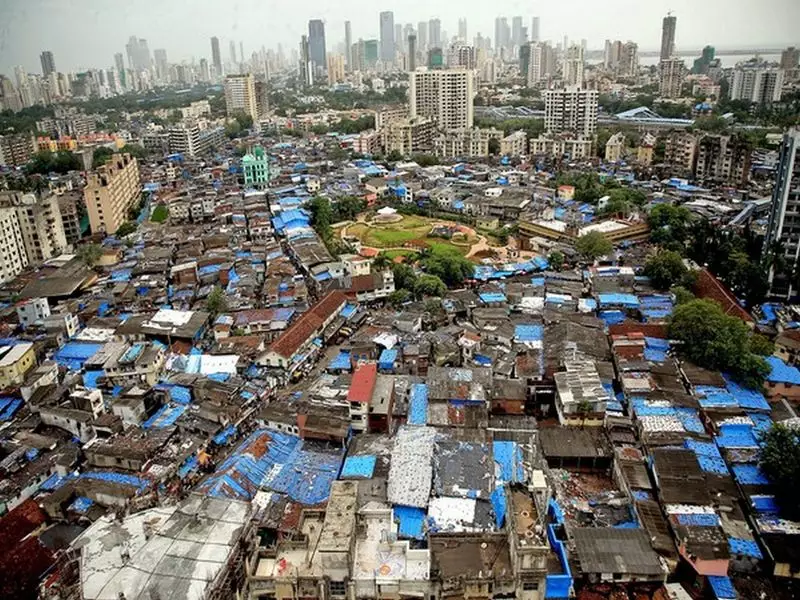
The long-awaited transformation of Dharavi, one of Asia's most densely populated informal settlements, has moved decisively from the drawing board to the ground. In a significant development that marks the shift from aspiration to tangible action, physical construction work has officially begun on a key parcel of land integral to the mega-redevelopment plan.
From Blueprint to Building Site
The project entered its active construction phase with work commencing on a 6.5-acre plot of land belonging to the Indian Railways. This land parcel is strategically located near the Dharavi railway station and the Matunga workshop, making it a pivotal starting point for the entire initiative. The commencement of groundwork on this site signals the end of the prolonged planning and approval stages and the beginning of physical execution.
This initial phase of construction is being undertaken by the Adani Group, which is leading the consortium responsible for the project. The work involves critical preparatory activities, including soil testing and piling, which are essential for laying a strong foundation for the future structures that will rise here. The start of this work fulfills a major commitment and sets the tone for the project's timeline.

A Phased Approach to a Mega Transformation
The redevelopment of Dharavi is not a single event but a meticulously planned, multi-phase process. The initial construction on the railway land represents just the first step in a journey that aims to comprehensively rehabilitate the entire 625-acre sprawl of Dharavi. The project's master plan envisions the creation of a modern, integrated township with proper housing, commercial spaces, and civic amenities.
For the hundreds of thousands of residents, the project promises a radical upgrade in living conditions. Eligible residents are slated to receive homes measuring 350 square feet, complete with independent toilets and kitchens—a stark contrast to the current cramped and often unsanitary conditions. The project is designed to be self-sustaining, with the sale of commercial and residential spaces to private buyers cross-subsidizing the cost of rehabilitating the existing slum dwellers.
Overcoming Hurdles and Looking Ahead
The path to this groundbreaking moment has been fraught with legal challenges, political debates, and complex negotiations spanning nearly two decades. The commencement of construction in early 2025 demonstrates a renewed political and administrative resolve to see the project through. It sends a strong signal to all stakeholders, including skeptical residents and previous failed bidders, that the project is now on an irreversible track.
The implications of this development are profound. For Mumbai, it represents a historic opportunity to integrate a vast informal city within the city into its formal urban fabric, potentially unlocking tremendous economic value and improving the city's overall livability. For urban policy in India, a successful Dharavi redevelopment could become a blueprint for addressing similar informal settlements across the country. The eyes of the nation, and indeed the world, are now on this 6.5-acre plot, watching as the first physical signs of Dharavi's promised future begin to take shape.






