

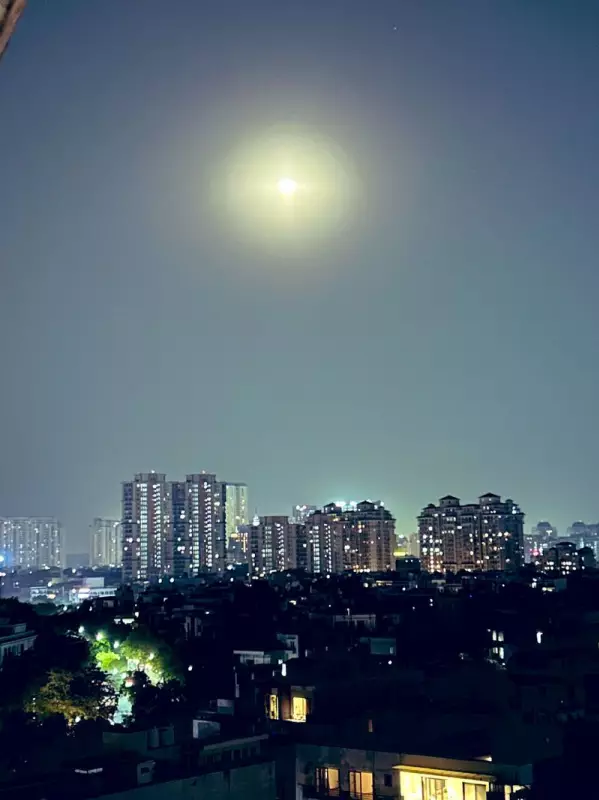
Gurugram, India's bustling Millennium City, is poised for a major civic transformation. After years of grappling with crippling traffic jams, chronic waterlogging, and mounting waste management challenges, the city's administration has rolled out an ambitious and comprehensive plan to reclaim its infrastructure. This initiative, backed by a substantial financial outlay, aims to address the very issues that have long plagued residents and threatened to stifle the city's economic growth.
A Blueprint for Change: The Rs 1,500 Crore Push
The cornerstone of this civic overhaul is a massive financial commitment. The Municipal Corporation of Gurugram (MCG) has announced projects worth a staggering Rs 1,500 crore specifically targeted at decongesting roads and revamping the city's drainage system. This move signals a decisive shift from temporary fixes to long-term, structural solutions. The urgency of the action is underscored by the recent formation of a 12-member committee of senior officials, led by the MCG Commissioner, which is tasked with the critical mission of identifying and resolving key bottlenecks across the city.
This committee is not working in isolation. Its strategy is deeply intertwined with the broader vision outlined in the Gurugram Master Plan 2041. The plan's focus on creating a more liveable and sustainable urban environment provides the essential framework for these immediate interventions. The administration's approach is multi-pronged, tackling the most visible pain points with a combination of engineering projects, technological integration, and improved governance.

Tackling Traffic and Water: The Twin Fronts of the Battle
On the ground, the battle for a better Gurugram is being fought on two primary fronts: mobility and monsoon readiness. To combat the infamous gridlock, authorities are implementing a series of targeted measures. A significant development is the planned removal of the railway line near Khandsa, a major choke point that severely disrupts traffic flow. Furthermore, the committee is actively exploring the construction of new flyovers, underpasses, and the crucial expansion of the IFFCO Chowk metro station to ease pedestrian and vehicular movement.
The perennial nightmare of waterlogging, which brings the city to a standstill every monsoon, is also being addressed head-on. The administration has committed to a complete re-engineering of the city's drainage network. This isn't just about cleaning drains; it involves a systematic overhaul to ensure efficient water flow and prevent urban flooding. The committee is meticulously examining vulnerable zones and deploying resources to pre-empt the annual deluge, moving from reactive pumping to proactive infrastructure management.
Beyond Concrete: A Holistic Civic Vision
The transformation agenda extends beyond roads and drains. Recognizing that a modern city requires efficient utilities, the plan includes a strong push for shifting overhead electricity and telephone cables underground. This will not only enhance safety and aesthetics but also prevent disruptions caused by fallen cables during storms. Waste management, another persistent issue, is receiving renewed focus with efforts to streamline collection and processing.
The success of this ambitious plan hinges on seamless coordination between various government agencies—a historical weak point. The formation of the high-level committee is a direct attempt to break these silos. By bringing together officials from the MCG, traffic police, GMDA, and other departments, the administration aims to ensure that projects are executed in a synchronized manner, avoiding delays and overlaps. The underlying message is clear: Gurugram's future growth is contingent on solving its foundational civic challenges.
The ultimate goal is to transition Gurugram from a symbol of chaotic urban sprawl to a model of planned urban development. While the Rs 1,500 crore plan is a powerful start, its real test will be in on-ground execution and sustained political will. For the city's millions of residents and businesses, this push represents a long-awaited hope for a smoother, cleaner, and more manageable urban life, potentially unlocking the next phase of Gurugram's growth story.






