

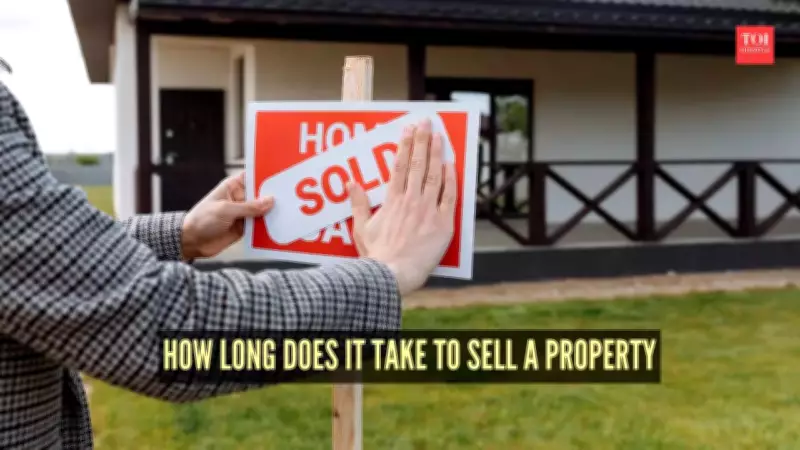
Understanding the Timeline: How Long Does It Take to Sell a Property?
Selling a property is a multifaceted process that involves careful preparation, strategic marketing, skillful negotiation, and thorough legal follow-through. The duration required to complete this journey can vary widely, influenced by elements such as market demand, pricing strategies, geographic location, and seasonal trends. While some properties may be snapped up in a matter of weeks, others linger on the market for months or even longer. Gaining insight into the average timeframe and the key factors at play empowers sellers to plan effectively and set realistic expectations.
Average Time from Listing to Final Sale
In numerous housing markets across the globe, the entire process—from initially listing a property to finalizing the sale—typically spans approximately one to three months. However, this range is not set in stone and can differ significantly based on regional dynamics and prevailing market conditions. The timeline encompasses two primary phases: the period spent attracting a buyer and the closing stage, which involves essential steps like inspections, securing financing, and handling legal documentation.
Days on Market Before Receiving an Offer
A critical component of the selling timeline is the duration a property remains actively listed while awaiting a suitable buyer. On average, homes may spend several weeks on the market before an acceptable offer is presented. In fast-moving areas with high demand, sales can occur more swiftly, whereas slower markets might experience prolonged listing periods. Factors such as buyer interest, competition from other properties, and the seller's pricing strategy play pivotal roles in determining how quickly this stage progresses.

Time Required to Close After an Offer
Even after a buyer agrees to purchase, the transaction is far from immediate. The closing stage, which includes tasks like property inspections, valuation assessments, financing approval, and finalizing legal paperwork, generally takes about a month or slightly longer. Delays are common if issues arise, such as complications with financing or legal hurdles, which can extend the overall selling timeline and require additional patience from both parties.
Impact of Market Conditions and Season
Seasonal trends and broader economic factors exert a significant influence on the speed of property sales. Typically, homes sell faster during spring and early summer when buyer activity peaks, while colder months or less active periods may see slower movement. Additionally, elements like mortgage rates, housing supply levels, and overall market demand can either accelerate or decelerate the pace of transactions, making it crucial for sellers to time their listings strategically.
Role of Pricing, Location, and Property Condition
Accurate pricing and an attractive presentation are key to shortening the selling time. Overpricing or a property in poor condition can lead to extended delays, as potential buyers may be deterred. Location is equally vital; homes in desirable urban areas often sell more quickly compared to those in less competitive regions. These practical considerations frequently dictate whether a sale concludes rapidly or drags on for months.
Situations Where Homes Take Much Longer
Certain properties may remain unsold for extended periods due to factors like excessively high pricing, limited market demand, or a lack of interest from potential buyers. In sluggish markets, properties can linger for several months or even over a year, particularly in the high-end segment or during times when the housing market is cooling down. Understanding these scenarios helps sellers prepare for potential challenges.
In summary, the time it takes to sell a property is not standardized but varies based on preparation, pricing, marketing efforts, and external market forces. While a few months is common, the actual duration can differ considerably, emphasizing the importance of adaptability and informed decision-making in the real estate journey.






