As India steps into 2026, its real estate landscape presents a tale of two markets. While the residential sector is finding a new equilibrium after a post-pandemic peak, the commercial and industrial segments are charging ahead with robust growth. The year 2025 set the stage, with housing sales declining for a second consecutive year, even as commercial office and logistics assets defied global headwinds to post impressive numbers.
Residential Market: Cooling Down After the Boom
India’s housing sector recorded its second straight year of declining sales in 2025, a shift primarily driven by high property prices that eroded affordability for many buyers. Interestingly, despite the drop in sales volume, the overall transaction value grew, as developers increasingly pivoted towards launching and selling premium, high-margin projects.
The sharp rise in sales seen during the immediate post-Covid recovery has now passed. Analysts expect the market to stabilize in 2026, with sales remaining at a moderate yet steady pace. Credible, branded developers are predicted to outperform their peers, as homebuyers show a clear preference for trusted names. The health of the market is underscored by controlled unsold inventory levels and sustained underlying demand.

The sector's performance this year hinges on critical factors like potential Reserve Bank of India (RBI) repo rate cuts and developers' ability to manage price hikes. According to Anarock Property Consultants, lower home loan interest rates resulting from rate cuts could significantly revive buyer demand.
The Ascent of Commercial and Logistics Real Estate
In stark contrast to housing, India's commercial office market extended its strong post-pandemic upswing through 2025. Gross office leasing is estimated to have surpassed 80 million square feet, nearly matching the 79 million sq. ft. recorded in 2024, as per CBRE India. A defining trend has been the rise of Global Capability Centres (GCCs), which accounted for 35-40% of total office demand in top-tier cities, making India a global outlier in office space growth.
The flex workspace segment also solidified its position, with major operators like WeWork India, Indiqube, and Smartworks going public. The momentum is expected to continue in 2026, marked by occupier expansions, workplace upgrades, and a flight towards premium, future-ready assets. Vacancies in top-grade buildings are likely to decline, pushing up rentals in high-performing micro-markets.
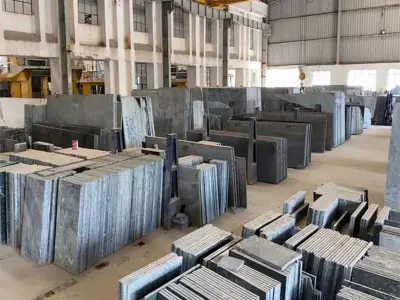
The logistics and warehousing sector has been on a roll, driven largely by domestic manufacturing demand. From a gross absorption of 51 million sq. ft. in 2024, leasing climbed to an estimated 55-57 million sq. ft. in 2025. JLL India forecasts a further 15-18% growth in 2026, with manufacturing leading demand, followed by a resurgent e-commerce sector and third-party logistics (3PL) providers. Investor activity is also heating up, with portfolio sales in discussion and Blackstone's Horizon Industrial Parks planning an IPO to raise around $300 million.
Branded Developers Set New Benchmarks
The growing dominance of large, branded developers is a key feature of the current housing cycle. Their strategy of maintaining a robust launch pipeline and focusing on premium projects is paying off. While the broader market plateaus, top players continue to sell well.
The top four developers—Godrej Properties, DLF, Prestige Estates, and Lodha Developers—are collectively targeting over ₹1 trillion in residential sales for 2025-26. This would mark their strongest performance yet. For these giants, the bigger challenge in 2026 is not selling apartments but constructing and delivering the massive volume of projects they have already sold, ensuring customer satisfaction and maintaining their reputations.
Overall, India's real estate market in 2026 is poised for a year of nuanced growth. The residential segment seeks balance, while the commercial office and logistics sectors are set to power ahead, offering diverse opportunities for investors, businesses, and the economy at large.