

Lokhandwala's Four-Decade Evolution: A Mumbai Suburb Reborn
Mumbai's Lokhandwala Complex stands at a crossroads today. This western suburb has witnessed dramatic changes over forty years. It transformed from marshlands into a thriving residential area. Now, it faces another major shift as old buildings make way for modern towers.
From Green Mangroves to Posh Colony
Construction began in 1984-85 on the marshlands of Andheri West. Workers cleared green mangroves to create what would become Lokhandwala Complex. The area developed into four parallel cross lanes. It quickly grew into a self-contained township with hundreds of shops. These establishments supplied everything from daily essentials to luxury goods.
Young middle-class families took loans to purchase flats here. They established a vibrant community in Mumbai's western suburbs. This marked the beginning of Lokhandwala's journey as a desirable residential location.

Skyline Transformation Through Redevelopment
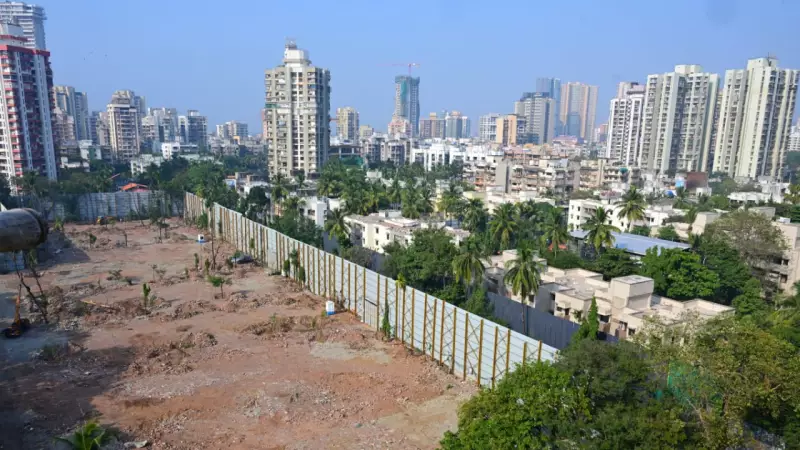
The Lokhandwala skyline is changing rapidly today. Old structures are disappearing across the complex. From the Svati building, famous for the 1991 Lokhandwala shootout, to Apna Ghar societies and Lennie at the complex's end, demolition work proceeds steadily.
Signboards of developers and project management consultants now dot the landscape. These signs indicate the speed of reconstruction activities. New towers are rising where older buildings once stood, fundamentally altering the area's appearance.
Residents Face Financial and Emotional Hurdles
For original homeowners from the 1980s, redevelopment brings mixed feelings. Many senior citizens confront rising property taxes and increased maintenance costs. Utility expenses have also climbed significantly. Some residents may need to sell their flats despite receiving larger apartments through redevelopment deals.
The financial demands of new apartments prove challenging for many. Beyond monetary concerns, emotional difficulties abound. Residents struggle with leaving homes where they raised families and spent decades creating memories.
Developers Drive the Redevelopment Wave
The first construction wave in the 1980s involved developers like Lokhandwala, Hiranandani, and Walawalkar. Today, a new generation of builders leads redevelopment projects. Companies including DLH, DGS, Bharat, Rishabhraj, Ajmera, Kalpataru, Puravankara, Rustomjee, and Mahindra Lifespaces are actively involved.
Resident societies have negotiated various deals with these developers. Agreements typically offer between 35% to 110% extra space. This represents significant vertical expansion and modernization for the complex.
Hrushikesh Society: A Redevelopment Case Study
Hrushikesh Society in Apna Ghar-1 provides a concrete example of this transformation. Built in 1983, it contained 290 flats across eight buildings. Demolition occurred in mid-2025. Residents remember past difficulties, particularly the June 2005 floods that destroyed ground-floor homes.
The society's redevelopment plan offers 52% extra space and a corpus of Rs 1516 lakh. Construction should complete within three-and-a-half years. This addresses past structural issues while modernizing facilities for current needs.
The Space Expansion Dilemma
In Lane 2 and other upper-class societies, residents face difficult choices. Families often desire extra rooms for growing needs. Meanwhile, senior citizens worry about escalating property taxes and maintenance costs. Rising domestic help wages add to their financial concerns.
Amenities like gyms, swimming pools, and clubhouses come with costs. When combined with GST implications, monthly maintenance could increase fivefold. This financial pressure forces some residents to consider selling rather than upgrading their homes.
Infrastructure Demands for a Growing Community
Experts highlight important infrastructure needs for Lokhandwala's future. The influx of residents into taller towers requires better planning. Wider roads, improved parking facilities, enhanced drainage systems, and reliable water supply become essential.

Lokhandwala has come far since 1983 when it lacked proper roads and sanitation. Today it stands as a modern township. Brokers and residents emphasize selecting developers with strong financial credibility. This ensures construction quality as Mumbai continues growing vertically.
The transformation of Lokhandwala Complex reflects Mumbai's ongoing urban evolution. It balances modernization with community preservation, creating both opportunities and challenges for those who call this area home.





