

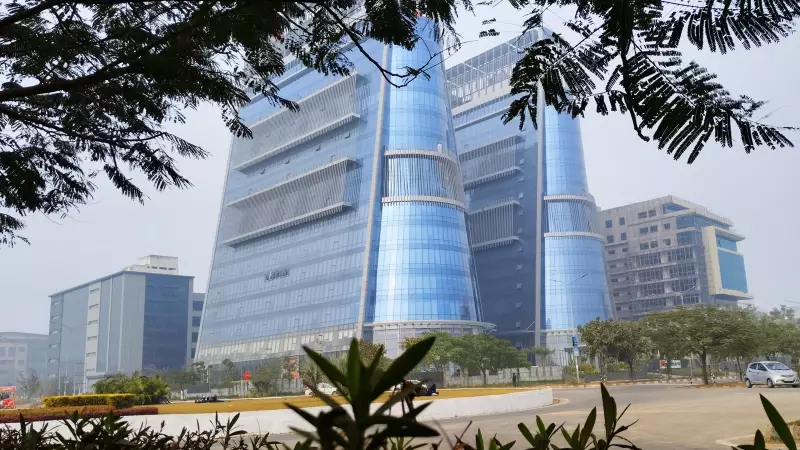
For decades, Mohali lived in the carefully planned shadow of its celebrated neighbor, Chandigarh. Often dismissed as a mere spillover settlement, a patchwork of villages and housing clusters, its identity was largely derivative. Chandigarh's strict norms kept it contained, pushing growth to its edges. Fast forward to 2025, and the narrative has dramatically shifted. Mohali's evolving skyline, bustling roads, and vibrant social fabric now tell a compelling story of rapid urbanization, demographic change, and unleashed entrepreneurial energy.
The Infrastructure Catalyst and Economic Metamorphosis
Conceptualized in the 1960s as part of regional expansion, Mohali's true awakening began in the 1990s and early 2000s, fueled by critical infrastructure projects. The operationalization of the Shaheed Bhagat Singh International Airport was a game-changer, boosting air connectivity immensely. New road links along the Airport and Kharar corridors opened large tracts for development and strengthened regional access.
This infrastructure push laid the groundwork for a profound economic shift. Today, Mohali thrives at the intersection of multiple robust economies: education, technology, real estate, and lifestyle. Its growth is no longer just a function of proximity to Chandigarh but is driven by a distinct and self-sustaining ecosystem.

Pillars of the New Mohali: Education, IT, and Real Estate Boom
The city's most visible triumph is its rise as a premier education hub. Pioneering institutions like the National Institute of Pharmaceutical Education and Research (NIPER) first put it on the national academic map. This paved the way for a formidable cluster including Amity University, Rayat Bahra University, Ashoka University, Plaksha University, the Indian School of Business (ISB), and the Indian Institute of Science Education and Research (IISER). The ambitious Education City project, a 1,700-acre integrated learning destination, aims to cement this status globally.
Parallelly, Mohali has carved a niche in technology. While Chandigarh's IT growth remained modest, Mohali's IT City initiative anchored technology parks and innovation clusters, attracting startups and established firms. Government estimates once pegged IT sector growth here at nearly 30%. This corporate confidence was underscored in 2025 when Infosys announced a Rs 300-crore expansion of its Mohali campus, citing skilled manpower and better infrastructure.
The real estate market has mirrored this explosive growth. Triggered by policies like the 2002 Mega Project Policy under former Chief Minister Amarinder Singh, which incentivized large-scale projects, developers like DLF, Emaar, MGF, and Ansal transformed the landscape. Areas like Sectors 66 and 67, Airport Road, and New Chandigarh have seen soaring prices, with hundreds of builders active. The city's ambition is now reaching skyward, set to house the tallest building in northern India, a 43-floor structure. Retail infrastructure kept pace, with seven major malls like CP-67 and Jubilee Walk coming up, though some, like North Country Mall, have been repurposed for uses like a super-speciality hospital.
Growing Pains and the Sporting Legacy
This rapid ascent has not been without challenges. Residents now grapple with familiar urban issues: traffic congestion, water and power shortages during peak summer, deteriorating roads, and concerns over law and order, including incidents of snatching.
Amidst these growing pains, Mohali has also solidified its identity as a premier sporting hub. It boasts 11 sports complexes, many with Olympic-standard pools, and the iconic Punjab Cricket Association IS Bindra Stadium. The stadium, hosting international matches since the early 1990s, was pivotal in putting Mohali on the national map, spurring investments in hospitality.

From a peripheral township to a self-sustaining urban centre, Mohali's journey encapsulates the immense promise and complex pressures of rapid development. The city has decisively stepped out of Chandigarh's shadow. The critical challenge ahead is to manage its formidable momentum while preserving the livability that first drew people to its promise.





