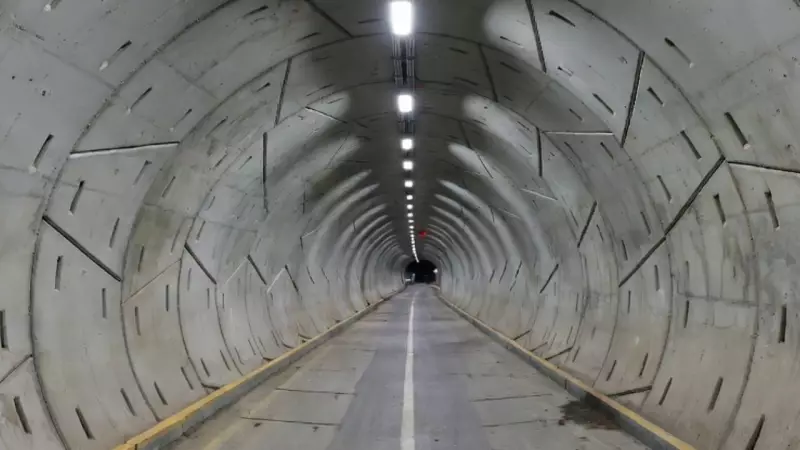
In a major infrastructure push aimed at transforming urban mobility, Mumbai is set to get a sprawling network of underground pedestrian walkways. The Mumbai Metro Rail Corporation (MMRC) has proposed a 3-kilometre network of underground tunnels designed to seamlessly connect key transit and commercial hubs, including the upcoming Metro Line 3, the Bandra-Kurla Complex (BKC), Worli, and the Mumbai-Ahmedabad bullet train terminal.
A Game-Changer for First and Last-Mile Connectivity
The ambitious project, estimated to cost around ₹250 crore, is specifically targeted at boosting first- and last-mile connectivity around two critical stations on Metro Line 3: the Science Centre station and the BKC station. According to MMRC planning director R Ramanna, this continuous underground grid will provide all-weather, safe pedestrian movement, drastically reducing conflicts between pedestrians and road traffic in these bustling areas.
The proposal was finalised following discussions between the Brihanmumbai Municipal Corporation (BMC) and the MMRC, with both agencies expected to share the project expenses proportionately. This initiative is a cornerstone of larger efforts to integrate Mumbai's multiple transit modes into a cohesive network.

Key Corridors and Direct Links
The underground network will comprise three major corridors, each serving a distinct purpose. The longest link will be a 1.4-kilometre tunnel in BKC that will directly connect Metro Line 3 to the Mumbai–Ahmedabad bullet train terminal via Tata Colony. This corridor will allow commuters to switch between metro and high-speed rail without ever needing to go outdoors.
Another significant tunnel, stretching 1.1 kilometres, will run from the Science Centre station to the Worli promenade, passing beneath the Mahalaxmi Racecourse. This link aims to ease surface-level traffic congestion and improve access to the popular waterfront. A shorter 500-metre tunnel is also planned to connect the Science Centre station to the Nehru Planetarium, enhancing access to this cultural precinct.
Design Features and Implementation Timeline
The proposed tunnels, expected to be about 5 metres wide, will be equipped with user-friendly features like escalators and lifts at entry points to ensure barrier-free access for all commuters, including office-goers, senior citizens, and tourists. The design prioritises accessibility and safety.
MMRC will appoint a design and project management consultant to conduct detailed surveys, finalise alignments, and prepare engineering drawings. The entire network is targeted for completion by 2029–30. Once operational, it is expected to significantly increase Metro Line 3 ridership by offering safer, more convenient walking routes and seamless integration with high-speed rail, business districts, and cultural centres.
Policy Push and Future Integration
The project aligns with the Transit-Oriented Development (TOD) provisions of the city's development plan. Under these rules, properties within 500 metres of Metro stations can receive additional Floor Space Index (FSI) if developers build direct access vestibules. This policy is anticipated to encourage private participation and better integration of future developments with the pedestrian network, creating a more walkable and connected city core.
Similar underground pedestrian systems are already successfully operational at the Chhatrapati Shivaji Maharaj Terminus (CSMT) and Terminal 2 of the Mumbai airport, setting a precedent for the proposed network's potential success.