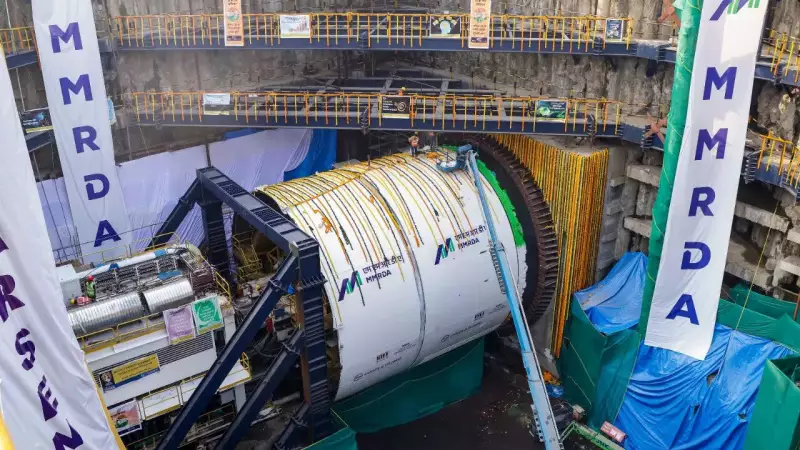
In a significant step towards transforming Mumbai's urban mobility, the city has embarked on the construction of a major underground corridor. Maharashtra Chief Minister Devendra Fadnavis officially launched the Tunnel Boring Machine (TBM) for the ambitious 9.2-kilometre east-west underground tunnel project on Tuesday. The ceremony, held at Orange Gate, marks the formal commencement of excavation work for this critical infrastructure link.
A Major Engineering Feat for Mumbai
The launch of the massive TBM represents a pivotal transition from the planning phase to major physical construction. The machine will now begin the complex task of carving through the varied geological layers beneath South Mumbai. Engineers from the Mumbai Metropolitan Region Development Authority (MMRDA) have conducted extensive soil studies to prepare for this challenging stage, which is considered one of the toughest in the project's lifecycle. The operation demands high precision and continuous monitoring to ensure stability and adherence to timelines.
The tunnel will create a direct underground link from Orange Gate on the eastern waterfront to Marine Drive on the western coast. This alignment has been carefully selected to minimise disruption to the densely populated surface areas and the city's heritage precincts. Once complete, the corridor is expected to offer a seamless alternative to the heavily congested surface roads, significantly reducing cross-city travel time for thousands of daily commuters.

Impact on Urban Mobility and Logistics
This underground passage is poised to drastically ease the persistent east-west bottlenecks that plague Mumbai's traffic. By ensuring smooth, uninterrupted movement of vehicles deep beneath the city, the tunnel will reduce the vehicular load on key arterial roads like Pedder Road and Senapati Bapat Marg. The project is a cornerstone of a broader mobility overhaul for the metropolis and is designed to complement upcoming metro lines and coastal road infrastructure.
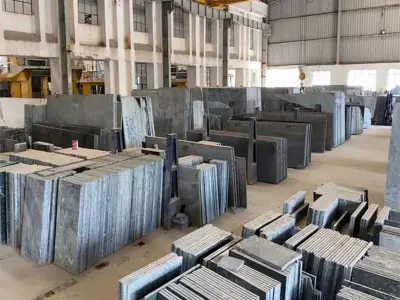
Executing a project of this scale requires meticulous logistics planning. The tunnelling process will generate enormous quantities of excavated earth, for which dedicated transport routes and nearby storage spaces have been arranged. The MMRDA has readied equipment supply chains to ensure continuous operations and avoid costly downtime, as the tunnelling schedule is heavily dependent on a smooth material flow.
Safety, Environment, and the Road Ahead
Safety remains a paramount concern. Advanced sensors will be deployed to track ground stability in real-time, with control rooms monitoring the TBM's movement, pressure, and speed. Safety zones have been established around the launch site, and workers are undergoing specialised training for emergency scenarios. From an environmental perspective, the tunnel boring method itself reduces surface-level disruption. Construction teams have also planned specific measures to limit dust and noise pollution, with controlled batch removal of waste material.
The MMRDA has mobilised specialised teams for excavation, logistics, and safety coordination, with multiple contractors working in sync. Authorities are closely coordinating with civic and utility bodies to navigate the complex urban underground. While officials expect steady progress over the coming months, the final timeline is contingent on overcoming technical challenges encountered underground. The successful completion of this 9.2-kilometre tunnel is anticipated to be a game-changer, reshaping regional connectivity and reflecting long-term planning for Mumbai's future mobility demands.