

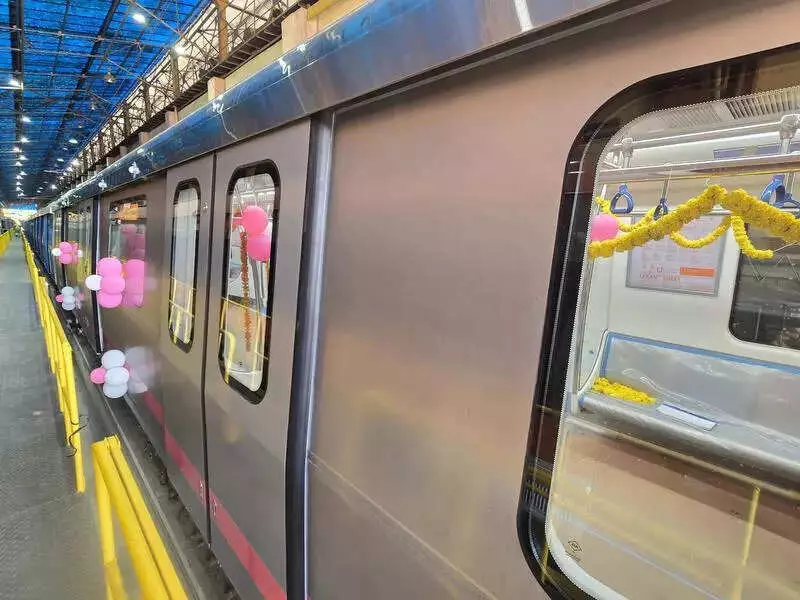
In a significant step towards expanding the city's rail network, the Bangalore Metro Rail Corporation Ltd (BMRCL) has officially awarded a contract for a detailed project report on extending Namma Metro to Tumakuru. This move comes amid ongoing debates regarding the feasibility of such a long-distance suburban metro corridor.
Tender Awarded to City-Based Consultants
The corporation has selected Bengaluru-based Aarvee Engineering Consultants to prepare the crucial Detailed Project Report (DPR). The firm won the tender at a total cost of over Rs 1.2 crore. BMRCL had floated the tender last month, setting a submission deadline of November 20 for interested bidders. Apart from the winning consultant, two other parties had also expressed interest in the project.
The consultants now have a timeline of five months to complete and submit the comprehensive report. Once ready, the DPR will be a vital document sent to the central government for final approval, marking the next bureaucratic phase for the project.

The Proposed Corridor and Its Rationale
The planned extension aims to connect Tumakuru, which is increasingly becoming a major industrial suburb, to Bangalore's metro grid. The proposed corridor is set to start near the Bangalore International Exhibition Centre in Madavara, which is the current northern terminus of the Green Line.
The route will pass through key areas like Neelamangala, Dabaspete, and Kyathasandra before reaching Tumakuru. In total, the extension is planned to have 25 elevated stations. This push for connectivity is strongly backed by industry representatives, local politicians, and the government, all hoping the metro will stimulate further economic growth in the region.
A preliminary feasibility report estimates that the corridor could see a passenger traffic of 15,000 commuters per hour in one direction, highlighting the anticipated demand.
A Crucial Phase Amidst Expert Scrutiny
With the formal commencement of DPR preparation, the Madavara-Tumakuru Metro project has entered a critical stage. However, the project continues to face scrutiny from urban transport experts. A key point of contention is that metro systems are traditionally designed for high-density, intra-city travel, not for long-distance suburban routes which might be better served by regional rail systems.
Currently, Namma Metro's Green Line runs from Madavara to Silk Institute, spanning approximately 33.4 kilometers and serving 31 stations. The extension to Tumakuru would significantly increase its reach, testing the system's design and economic model for a different type of commute.
The next five months will be crucial in determining the technical and financial viability of this ambitious plan to bring metro connectivity to Tumakuru.






