

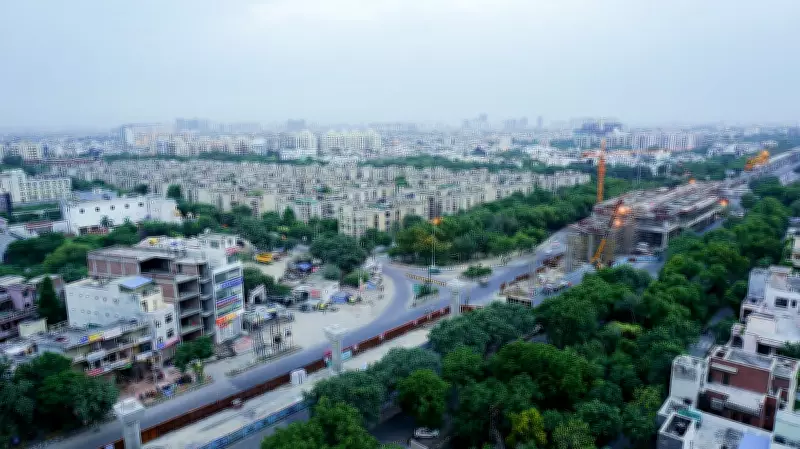
From Boomtown to Building Traps: Noida's Unfinished Story
The transformation of Noida from a quiet agricultural region into a bustling urban center is a tale of ambition, rapid growth, and lingering challenges. What began as a vision for planned development has evolved into a complex narrative marked by both progress and pitfalls.
The Land Acquisition Phase
In the early stages of Noida's development, authorities embarked on an extensive land acquisition drive, purchasing substantial tracts from farmers in neighboring villages. This land was earmarked primarily for the creation of low-rise residential complexes, designed to accommodate the growing population and fuel urban expansion. The process, while instrumental in shaping the city's physical landscape, also sparked debates about compensation, displacement, and the rights of original landowners.
The Construction and Allocation System
Initially, the responsibility for building and distributing residential units fell solely on the Noida Development Authority. They implemented a unique lottery system to sell these homes, aiming to ensure fairness and transparency in allocation. This approach allowed many residents to secure housing through a seemingly equitable process, contributing to Noida's reputation as a model of organized urban growth.

Unresolved Issues and Ongoing Challenges
Despite these efforts, Noida's story remains unfinished. The city grapples with issues such as incomplete infrastructure, legal disputes over land, and the social impact of rapid urbanization. The transition from farmland to metropolis has not been seamless, leaving behind a legacy of both opportunity and constraint for its inhabitants.
As Noida continues to evolve, the lessons from its past development phases offer valuable insights for future urban planning initiatives across India.






