

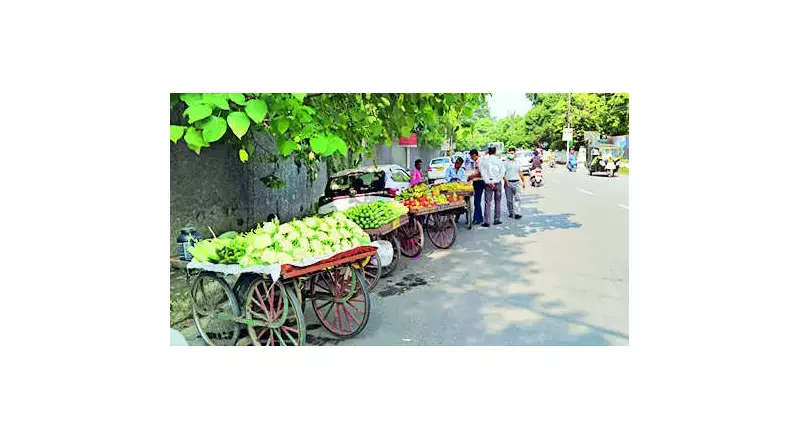
Patna Municipal Corporation Unveils Major Urban Development Plan with 31 New Vending Zones
The Patna Municipal Corporation (PMC) has unveiled an ambitious urban development project that promises to transform the city's street vending landscape. In a significant move aimed at improving urban infrastructure, the civic body has proposed constructing 31 new vending zones across all six municipal circles of the city.
Strategic Shift from Steel to RCC Construction
While the project draws inspiration from the successful Kadamkuan vending zone model, it introduces a crucial change in construction methodology. Unlike the steel-based Kadamkuan facility, the new structures will utilize reinforced cement concrete (RCC) as the primary construction material.
"This transition represents a strategic cost-saving measure," explained a senior PMC engineer overseeing the project. "Steel is approximately 1.5 times more expensive than RCC, yet the RCC structures are engineered to maintain a comparable lifespan of 70–80 years, ensuring long-term durability without compromising quality."

Comprehensive Project Details and Distribution
With an estimated budget exceeding Rs200 crore, this initiative represents one of Patna's most significant urban infrastructure investments in recent years. The project aims to achieve multiple objectives:
- Streamline street vending operations across the city
- Ease traffic congestion in high-density areas
- Improve cleanliness and waste management
- Provide organized spaces for vendors to operate
Architecturally, the new zones will replicate the successful design of the Kadamkuan facility, which has demonstrated effectiveness in regulating traffic patterns and reducing littering. Vendors operating at the existing facility have expressed high satisfaction with the current layout, prompting PMC to adopt similar internal platforms in the upcoming zones.
Structural Design and Municipal Circle Distribution
PMC spokesperson Priya Saurabh provided detailed insights into the structural planning: "Most proposed structures will feature a ground floor and first floor configuration. However, depending on available space and area congestion levels, select zones may be developed as three-storey buildings to maximize utility within constrained urban spaces."
According to PMC data, the tentative distribution of new vending zones across municipal circles is as follows:
- Patliputra circle – 10 zones
- New Capital circle – 8 zones
- Bankipur circle – 4 zones
- Kankarbagh, Azimabad, and Patna City circles – 3 zones each
A senior PMC official elaborated on specific locations: "In the Bankipur circle, potential sites include areas near Khaitan Market, Musallahpur Hat, and McDowell Golamber, strategically chosen to serve high-density vendor populations."
Land Acquisition and Approval Process
The project currently benefits from PMC ownership of approximately 11 plots already earmarked for development. The remaining land requirements will be secured through collaboration with other government departments, ensuring comprehensive coverage across all proposed locations.
To navigate potential legal and social challenges, Municipal Commissioner Yashpal Meena is personally overseeing the process of obtaining No Objection Certificates (NOCs) from relevant authorities. This proactive approach aims to prevent delays and ensure smooth project implementation.
Project Timeline and Implementation Strategy
The proposal is currently awaiting technical and administrative approval from higher authorities. Once all formal processes are completed, construction is projected to commence no sooner than four months from the approval date.
"Provided funding remains consistent and all approvals are secured on schedule, we anticipate the vending zones becoming operational by the end of 2027," stated the PMC official. This timeline allows for comprehensive planning, construction, and vendor relocation processes.

Addressing Urban Challenges and Future Prospects
The expansion of organized vending zones in congested urban areas serves multiple purposes beyond mere infrastructure development. By creating designated spaces for street vendors, the project aims to:
- Prevent land disputes that often arise from informal vending
- Minimize public inconvenience during construction phases
- Create sustainable urban spaces that balance commercial activity with public convenience
- Establish a model for future urban development initiatives
Officials have emphasized that the project remains in its preliminary stages and is subject to final approval from the PMC board. However, the comprehensive planning and strategic approach suggest strong commitment to transforming Patna's urban vending ecosystem through systematic, well-planned infrastructure development.





