

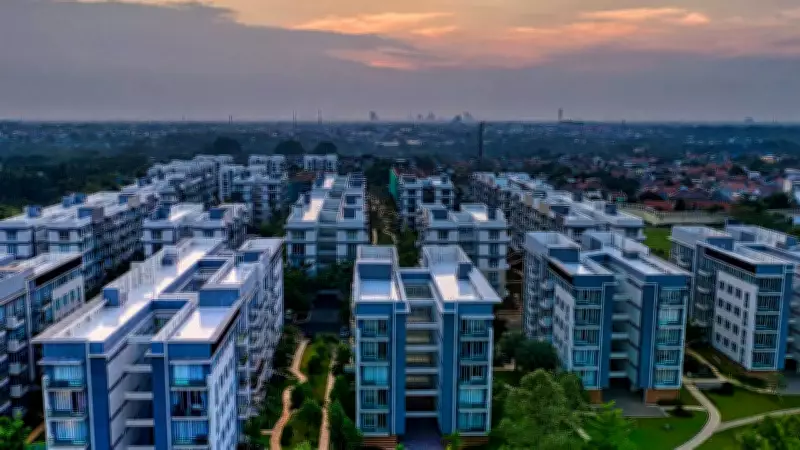
India's Real Estate Landscape Transforms with Non-Metro Growth
In recent years, the Indian real estate sector has undergone a significant transformation, gradually shifting its focus from the traditional metropolitan skylines of Mumbai, Delhi, and Bengaluru. As economic activities and connectivity expand across the nation, a new development pattern is emerging prominently in non-metro cities. This trend is fueled by robust infrastructure development, high growth rates, lower costs, and evolving lifestyle preferences among young homebuyers. These Tier-2 and Tier-3 cities are rapidly evolving into the next major hubs for both residential and commercial property development, reshaping the country's urban fabric.
The Rising Significance of Non-Metro Cities in Real Estate
For decades, the Indian real estate narrative has been dominated by metro cities, thanks to their strong employment bases and well-established business networks. However, as property prices soar, land becomes scarce, and traffic congestion worsens in these metros, demand is increasingly shifting to Tier-2 and Tier-3 cities. Market data reveals that housing prices in leading Tier-2 cities have surged by up to 65 percent in 2024. This shift is further emphasized in the Union Budget 2026, which places significant emphasis on infrastructure and housing development outside metro areas, underscoring the critical role of non-metro cities as drivers of the next phase of real estate growth.
Harshal Dilwali, Director & CEO of the Clarissa Group, provides valuable insights into the importance of this non-metro real estate expansion. He highlights how these cities are becoming integral to India's economic and social development, offering fresh opportunities for investors and homebuyers alike.

Key Non-Metro Cities Leading the Real Estate Charge
Nagpur: Central Growth Engine of India
Nagpur has emerged as one of the most viable non-metro real estate markets in the country. Its strategic location is a key advantage, bolstered by major projects like the Samruddhi Mahamarg Expressway and MIHAN (Multimodal International Cargo Hub and Airport at Nagpur). These initiatives have significantly enhanced logistics, manufacturing, and commercial operations, while also driving up residential demand. Land prices in areas such as Samruddhi Circle have multiplied over the past decade, with a promising outlook for future growth.
Lucknow: Infrastructure as a Growth Catalyst
Sustained infrastructure investments have propelled real estate momentum in Lucknow. Projects like the Purvanchal Expressway, Lucknow-Kanpur Expressway, metro extensions, and upcoming ring roads have greatly improved regional connectivity. Consequently, neighborhoods such as Sultanpur Road and Shaheed Path are witnessing increased traction, with modern residential projects attracting both long-term investors and end-users.
Jaipur: Cultural Capital with Industrial Momentum
Jaipur is transitioning from a heritage city to a modern urban hub. Its position on the Delhi-Mumbai Industrial Corridor (DMIC), coupled with enhanced road and rail connectivity, has boosted real estate activity. Developers and buyers are showing growing interest in areas like Ajmer Road and Jagatpura. The city's cultural richness, combined with investment opportunities, makes it an attractive non-metro destination.
Surat: A Rapidly Growing Economic and Residential Hub
Surat's real estate development is closely tied to its industrial sectors, particularly textiles and diamonds. As job opportunities increase and population inflows rise, there is high demand for mid-segment housing and commercial properties. Improved connectivity along the Mumbai-Ahmedabad corridor and ongoing infrastructure projects are drawing both domestic and international interest.
Ahmedabad: Quality Life and Balanced Growth
Ahmedabad remains a stable player in the non-metro real estate markets. The city has recorded consistent residential unit sales, moderate price growth, excellent civic planning, and a low cost of living. Its ability to balance growth with livability continues to be a significant strength, making it a preferred choice for many.

Drivers Behind the Non-Metro Real Estate Surge
The formation and expansion of non-metro property markets are driven by several interconnected factors:
- Infrastructure and Connectivity: New expressways, commuter railroads, and improved digital connectivity are bringing non-metro cities closer to major economic centers, making them more habitable and work-friendly.
- Affordability Advantage: Compared to metro cities, Tier-2 cities offer more affordable entry points for first-time homebuyers and investors, despite rising prices.
- Job Opportunities: Many non-metro cities are experiencing growth in industrial, manufacturing, and service sectors, attracting skilled professionals and boosting housing demand.
- Policy Push: Government policies focused on balanced regional development, urban planning, and real estate reforms have enhanced investor sentiment and future prospects in these markets.
The Future is Decentralized
The Indian real estate industry is poised for a more diversified future, with non-metro corridors taking center stage and transforming regional development dynamics. These markets not only offer lucrative investment potentials but also play a crucial role in reshaping the socio-economic landscape by providing homes, employment, and opportunities in areas previously considered peripheral. As new non-metro corridors emerge, they will collectively write the next success chapter of the Indian real estate business, fostering a more varied, balanced, and regionally rooted development model.





